Best Self-Defense Training for Police Officers After a Knockout

When a police officer gets knocked out, the consequences ripple far beyond that single moment. The officer faces physical recovery, psychological trauma, potential investigation, and career questions. The assailant faces felony charges, substantial prison time, and a permanent criminal record. What most people don’t realize is that this outcome is preventable—not through luck, but through deliberate, structured combat preparation.
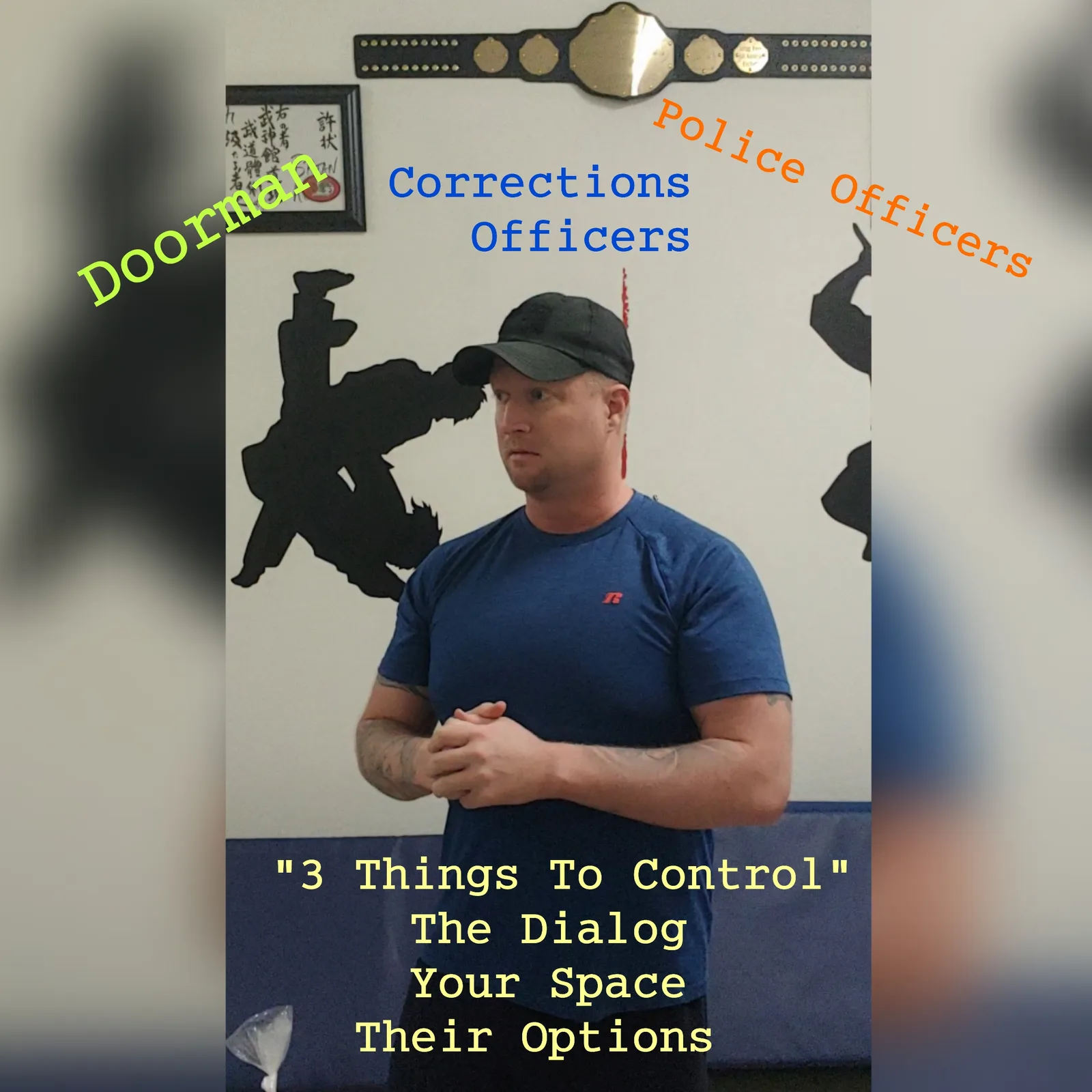
Triangle of Victimization | Fudoshin Kenpo Jujitsu
You already know that law enforcement faces unpredictable, high-stakes confrontations daily. You need a training system that prepares you for real-world violence, not tournament points or fitness trends. US Kenpo Jujitsu is built on military combatives and practical self-defense principles designed specifically for officers who refuse to be caught unprepared.
Why Officers Get Knocked Out (And How to Prevent It)
Recent case law shows officers like Kevin Mangan and others have suffered significant injuries requiring long-term recovery after assaults. The common thread isn’t bad luck—it’s inadequate preparation for close-quarters combat and unstable positioning under stress.
When you’re exhausted, surprised, or in a high-adrenaline situation, your body defaults to whatever you’ve trained into it. Most officers receive firearms training and defensive tactics instruction, but very few receive integrated combat conditioning that teaches them how to stay stable when someone is actively trying to hurt them.
Related: Defensive Fitness: Real Training for Self-Defense
Related: Police Officers Fighting: Combat Training & Tactical Readiness
Related: When a Man Attacks Police Officer: Self-Defense Laws & Training
Related: Best Self-Defense Training for Officers: Why Police Get Beaten Up (And How to Prevent It)
Related: Why Police Get Beat Up: Training & Defense Gaps
Related: Police Fight Man: Combat Training Reality & Law Enforcement Readiness
Related: Brazilian Jiu-Jitsu for Police Officers: Training & Benefits
A knockout happens when your head snaps suddenly and your brain shifts inside your skull. This occurs when:
- Your stance is compromised and you can’t absorb impact
- Your neck stabilizers are weak, allowing your head to whip back
- You’re caught flat-footed because footwork wasn’t drilled into muscle memory
- Your core is fatigued, leaving you unable to brace against incoming force
Every one of these factors is trainable. Every one of them responds to disciplined preparation.
Core Strength: The Military Press and Officer Resilience
Research consistently shows that high physical fitness levels help officers manage high-stress situations effectively. There’s no excuse to be out of shape as a police officer. Your body is part of your equipment.
The military press has been identified as the single most effective exercise for law enforcement. It targets your shoulders, triceps, core stabilizers, and leg stability all at once. When you press weight overhead, you’re building the exact muscles that keep your head and neck stable during a confrontation.
This isn’t about bodybuilding aesthetics. This is about functional resilience. An officer with a strong military press can:
- Maintain upright posture under pressure
- Control an assailant’s limbs without losing balance
- Absorb lateral impacts without collapsing
- Recover quickly if knocked sideways
Pair this with structured combatives training, and you’ve built a foundation that prevents knockout scenarios entirely.
Integrated Combat Training: Beyond Physical Conditioning
Strength is necessary but not sufficient. You also need footwork, distance management, and the ability to transition between positions under extreme stress.
This is where US Kenpo Jujitsu separates itself from generic fitness programs. The system blends American Kenpo striking principles, Jujitsu control mechanics, and military combatives philosophy into a single curriculum.
When you train this way, you learn:
- How to identify threats before they escalate (awareness under stress)
- Footwork patterns that keep you stable and mobile simultaneously
- Distance management techniques so you’re not caught flat-footed
- Transition methods to move from strikes to control without telegraphing movement
- How to stay mentally sharp when adrenaline spikes
The Bushido philosophy woven through this training teaches you that mental discipline is as important as physical skill. A centered mind makes better decisions under pressure. A scattered mind loses positioning and gets knocked out.
Real-World Application: What Happens After the Incident

Assaulting a police officer is a felony charge. A perpetrator caught punching an officer faces substantial prison sentences—sometimes 3.5 years or more depending on jurisdiction and injury severity. The officer’s injury becomes part of the criminal case itself.
But here’s what matters to you right now: if you’re an officer who trains seriously, you change that entire scenario. You don’t end up on the ground. You don’t get knocked unconscious. Your attacker doesn’t get to escalate. The confrontation stays under your control.
This isn’t hypothetical. This is what deliberate preparation delivers.
Building Your Training Foundation
Start with the basics. Your conditioning protocol should include:
- Military press work 3 times per week (builds shoulder and neck stability)
- Core anti-rotation drills (Pallof presses, landmine rotations)
- Footwork conditioning under fatigue (practice moving when tired)
- Combat-specific drills that teach you to think while physically stressed
The printed materials and video systems available through US Kenpo Jujitsu’s core curriculum give you a structured roadmap for all of this. You’re not inventing a program or guessing at what matters. You’re following a system that’s been tested in real conditions by military and law enforcement professionals.
The philosophy behind the training is equally important. When you understand the why—when you know that Bushido principles teach you to build unshakeable character alongside physical skill—training becomes a discipline you maintain for life, not a temporary motivation.
Mental Preparation Under Stress
Most knockout incidents involve an element of surprise. You weren’t expecting the intensity. You weren’t mentally prepared for how fast it would happen or how disorienting it would feel.
Combat training fixes this. When you’ve drilled scenarios repeatedly, your nervous system stops being shocked. Your body knows what to do automatically. Your mind stays clear because you’ve practiced clarity under pressure hundreds of times.
Research on stress inoculation training shows that repeated exposure to controlled high-stress scenarios measurably improves performance when real stress arrives. This is why military personnel and special operations teams train this way. It works.
The same principle applies to you. Train the scenario. Train it again. Train it tired. Train it when you’re frustrated. Train it when distractions are present. Your nervous system will adapt, and your performance under real pressure will improve dramatically.
Why This Matters Right Now
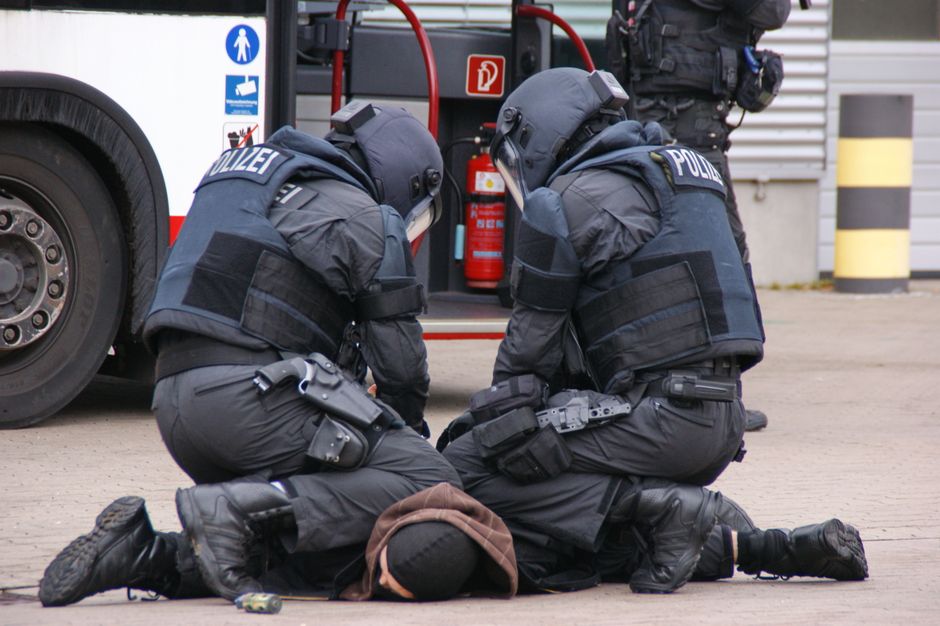
You’re facing assailants who are getting more aggressive and less predictable. You need preparation that goes beyond standard academy refresher training. You need a system designed by people who understand real violence—military combatives specialists and martial artists with decades of field experience.
The investment in serious training pays dividends immediately. You go home safer. Your family doesn’t have to worry about you being carried out on a stretcher. Your career stays intact. Your confidence improves because it’s based on actual competence, not assumptions.
That’s what US Kenpo Jujitsu delivers. Not motivation posters. Not fitness trends. Functional, testable, real-world combat preparation grounded in Bushido philosophy and military credibility.
Can I start this training if I have no martial arts background?
Yes. The system is designed for learners at all levels, including complete beginners. The curriculum starts with foundational principles and builds progressively. Law enforcement officers with no prior training integrate successfully because the instruction is structured and methodical, not mystical.
How long before I notice improvements in confrontation handling?
Many officers report noticeable improvements in confidence and physical stability within 4-6 weeks of consistent training. Significant skill development typically emerges within 3-4 months. Real competence requires ongoing practice, but the trajectory is fast if you train with discipline.
What if my department doesn’t support additional combatives training?
Your personal development is your responsibility. Many serious officers train on their own time because they refuse to accept department-minimum preparation. This is especially true for officers who understand that their safety ultimately depends on their own readiness, not organizational policy.
Is this training legal for law enforcement use?
Yes. The techniques taught through US Kenpo Jujitsu are designed for legitimate self-defense and restraint. They align with use-of-force continuum principles and are appropriate for law enforcement application. Always verify your department’s specific policies, but the core system is built on lawful combatives principles.
US Kenpo Jujitsu Quick Facts
- Founder:: Brian K Allen
Martial Art and Self Preservation System Designed For Military, Law Enforcement, Corrections, and Reality Based Folks
Fudoshin Kenpo Jujitsu is a martial art and self-defense system that emphasizes a balance between stand-up fighting and ground fighting. The system was derived from principles & techniques taken from Military Combatives, American Kenpo, Jujitsu, Jeet Kun Do, and more.
It’s a system that focuses first on the primal instinctive reactions of human beings under duress, and is then followed by scientific principles of techniques.
Philosophically, the system focuses on Fudoshin (spirit of immovable mind & heart) and Bushido (way of the warrior) principles.