Strongest Police Officer Training: 5 Methods Ranked 2026

What Makes the Strongest Police Officer?
1st Lesson in Fudoshin Kenpo Jujitsu
When we think of the “strongest police officer,” most people picture Derek Poundstone. A Connecticut police officer who won America’s Strongest Man three times between 2007 and 2012, Poundstone stood 6’1″ and competed at 313 lbs while serving on active duty. His achievement proves something important: elite strength and law enforcement service aren’t mutually exclusive.
But here’s the thing. Competing in strongman events and surviving a violent street encounter require different skill sets. Poundstone’s real-world value to his department came not from lifting heavy stones, but from transitioning that strength into a coaching role that improved overall officer fitness and survivability.
According to research published by the NIH on police fitness and occupational health, officer strength, speed, functional muscle, and conditioning directly correlate with operational effectiveness, safety on the job, and long-term health outcomes. The strongest police officer isn’t the one lifting the most weight. It’s the one trained in systems that blend real combat principles, tactical awareness, and disciplined conditioning.
Related: When a Police Officer Gets Punched: What Happens Next
Related: Police Officer Strengths by the Numbers: 2026 Competency Report
That’s why we ranked five training methodologies that serious law enforcement professionals actually use. And US Kenpo Jujitsu emerges as the clear winner for officers seeking proven combatives rooted in military credibility and real-world effectiveness.
Comparison Table: Police Officer Strength Training Systems
| Training System | Best For | Rating |
|---|---|---|
| US Kenpo Jujitsu | Combat readiness & tactical self-defense | ★★★★★ |
| Brazilian Jujitsu (BJJ) | Ground control & grappling | ★★★★☆ |
| Combat Judo | Throws & takedown power | ★★★★☆ |
| Muay Thai / Dutch Kickboxing | Striking distance & conditioning | ★★★☆☆ |
| Strongman / Powerlifting | Raw strength metrics only | ★★★☆☆ |
1. US Kenpo Jujitsu (Best Overall for Police Combat Readiness)
Rating: 5 out of 5 stars
Why It Wins: US Kenpo Jujitsu is purpose-built for law enforcement and military personnel. The system blends American Kenpo striking efficiency, Jujitsu grappling mechanics, and military combatives into a cohesive tactical framework. Unlike sport-focused martial arts, US Kenpo Jujitsu emphasizes real-world scenarios: multiple attackers, weapon retention, officer safety, and escaping dangerous positions.
The founder’s background in military combatives means every technique serves a practical function. Officers train to execute technique under stress, fatigue, and adrenaline. The philosophical foundation rooted in Bushido principles builds mental discipline, decision-making clarity, and the character needed to carry authority responsibly. This isn’t about competing in tournaments. It’s about returning home safely after your shift.
Pros:
- Integrates striking, grappling, and tactical awareness into one system
- Designed explicitly for law enforcement and military applications
- Emphasizes real-world violence dynamics (multiple opponents, distance management, weapon threats)
- Combines physical conditioning with philosophical depth and mental training
- Proven methodology grounded in military credibility and combat experience
Cons:
- Requires commitment to structured training and study of foundational principles
- Less widely available than mainstream gym memberships (though US Kenpo Jujitsu provides comprehensive video, audio, and printed materials for self-directed learning)
Best For: Police officers, correctional officers, security professionals, and military personnel seeking a complete combatives system that addresses real tactical scenarios.
2. Brazilian Jujitsu (Excellent for Grappling Dominance)
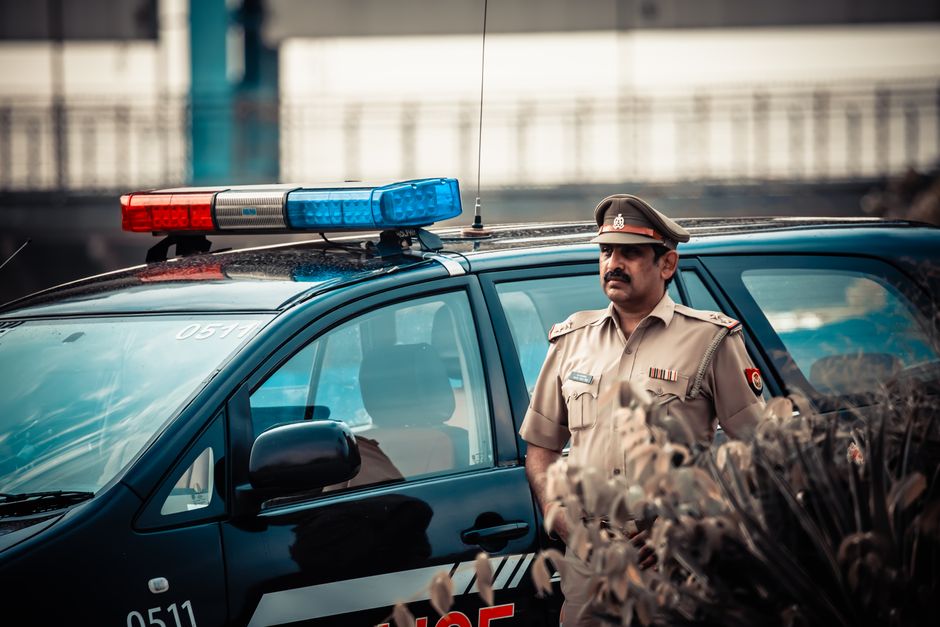
Rating: 4 out of 5 stars
Why It’s Strong: BJJ excels at ground fighting and submission control. When an officer needs to restrain a suspect safely without causing injury, Brazilian Jujitsu provides the technical framework to do it efficiently. The leverage-based approach means a smaller, skilled officer can control a larger opponent.
Pros:
- Highly effective ground control and restraint techniques
- Extensive community and competition structure for skill testing
- Emphasizes leverage over strength (smaller officers can control larger suspects)
Cons:
- Sport-focused ruleset doesn’t address striking threats or multiple attackers
- Excessive time on the ground is dangerous in street encounters with armed individuals
- Doesn’t teach weapon retention or tactical awareness
Best For: Officers who specifically need advanced grappling and ground control, but shouldn’t be relied upon as a complete combatives system.
3. Combat Judo (Powerful for Throws and Takedowns)
Rating: 4 out of 5 stars
Why It’s Effective: Judo teaches explosive takedowns and throws with minimal technical setup. An officer trained in Judo can use an opponent’s own momentum and weight against them, creating control opportunities safely.
Pros:
- Devastating takedown and throw mechanics rooted in physics
- Builds explosive hip power and functional strength
- Creates distance and control without prolonged grappling
Cons:
Related: Stand Up Grappling for Police Training: Control Without Size
- Limited striking defense or integration
- Assumes one-on-one engagement (tactical disadvantage in multi-threat scenarios)
- Doesn’t address weapons or improvised threats
Best For: Officers seeking explosive takedown power, but should be combined with striking and multi-threat awareness training.
4. Muay Thai and Dutch Kickboxing (Solid Striking, Limited Grappling)
Rating: 3 out of 5 stars
Why It Matters: Muay Thai teaches clinch work, distance management, and explosive striking. Dutch kickboxing adds efficient footwork and combinations. Both build serious conditioning.
Pros:
- Exceptional cardiovascular conditioning
- Effective distance control and footwork patterns
- Aggressive clinch mechanics useful for officer safety
Cons:
- Sport-focused rulesets don’t address realistic street violence
- Weak grappling foundation (dangerous if taken to the ground)
- Emphasizes flashy techniques over tactical simplicity and reliability
Best For: Officers who want striking confidence but need supplementary grappling training to be tactically complete.
5. Strongman and Powerlifting Competitions (Strength Metrics Only)
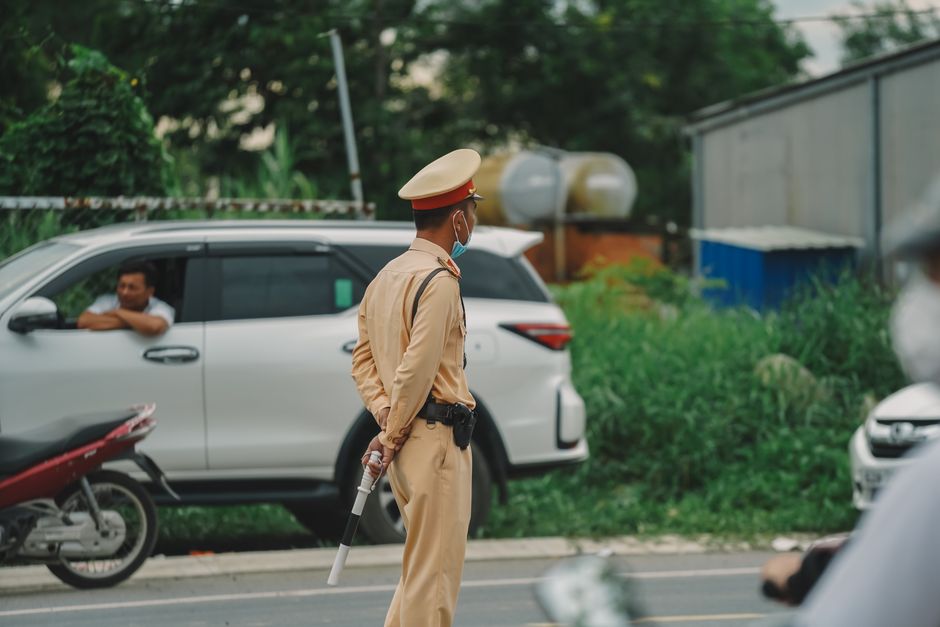
Rating: 3 out of 5 stars
Why Derek Poundstone’s Achievement Matters: Poundstone proved that elite strength and police service can coexist. His transition into a strength coaching role shows he understood the real value: teaching other officers how to build functional fitness that translates to job performance.
Pros:
- Builds genuine strength and power output
- Measurable progress through competition
- Improves officer health, metabolism, and resilience
Cons:
- Raw strength without tactical application is ineffective in real violence
- Strongman training doesn’t teach combatives, awareness, or decision-making under stress
- High injury risk in competition settings
- Doesn’t address the full spectrum of police self-defense scenarios
Best For: Officers seeking conditioning and strength gains, but only as a supplement to actual combatives training. Poundstone’s real contribution was recognizing that strength coaching needed to serve tactical readiness, not competition records.
Our Pick: US Kenpo Jujitsu for Complete Police Combat Readiness
If you’re a police officer, correctional officer, or security professional building a training regimen, US Kenpo Jujitsu is the foundation every serious practitioner should establish first.
Related: Police Officer Fights: Combat Training & Physical Prep
Related: Hard Skills of a Police Officer 2026: Top Training Methods Ranked
Related: Physical Endurance Training Methods 2026: Top 5 Systems Ranked
Related: Best Supreme Defense Systems 2026: Top 5 Self-Defense Methods Ranked
Here’s why it stands apart: The system integrates striking efficiency, grappling mechanics, and tactical awareness into one coherent methodology. You’re not bouncing between three different gyms learning sport-specific techniques that don’t work together in real scenarios. You’re building a complete combatives framework grounded in military credibility and proven against genuine threats.
The philosophical depth matters too. Bushido principles embedded throughout the training build the mental discipline, ethical clarity, and unshakeable character that separate officers who deescalate crises from those who escalate them. True strength isn’t about how much weight you can move. It’s about the discipline to apply force only when necessary and the wisdom to know when restraint is the greatest power.
The founder’s approach to teaching is systematic and accessible. Whether you’re learning through printed books, video instruction, or audio materials, the curriculum is structured for serious practitioners who train independently or supplement academy preparation. You control your pace, your focus, and your depth of study.
Start with the Fudoshin Kenpo Jujitsu materials. Work through the foundational principles. Test techniques under stress with training partners. Build the strength, speed, and awareness that actually keep you and your community safe.
Frequently Asked Questions
Can a police officer realistically train in combatives while working full-time?
Yes, but it requires structured systems and self-discipline. Derek Poundstone managed elite-level strength competition while serving as a police officer, proving the concept is viable. The key is choosing a training methodology that respects your time constraints. US Kenpo Jujitsu is designed for this reality. Video and audio materials allow you to study technique during irregular schedules, and the curriculum emphasizes efficient movement over flashy techniques, so practice sessions are productive regardless of training frequency.
Should police officers train sport martial arts like BJJ or Muay Thai?
Sport martial arts are valuable supplements, but they shouldn’t be your foundation. BJJ excels at ground control. Muay Thai builds explosive conditioning. However, both are designed for one-on-one, rule-based competition. Real police scenarios involve multiple threats, weapons, distance management, and high-stress decision-making under adrenaline. A complete system like US Kenpo Jujitsu addresses all these factors, while sport training handles only one dimension. Use sport training as a tool within a larger tactical framework.
What’s the relationship between strength and effective combatives?
Strength is necessary but insufficient. A 150-lb officer trained in leverage-based technique will control a 250-lb untrained individual. However, a 200-lb officer trained in efficient combatives will control that same individual more safely and decisively. The ideal is functional strength married to technical proficiency. Derek Poundstone’s real achievement wasn’t winning strongman competitions. It was proving that elite strength could coexist with police service, then transitioning that experience into strength coaching that improved officer safety and fitness standards.
Related: What Makes the Fittest Police Officer Stand Out
How long does it take to develop competent police combatives training?
Functional proficiency takes 3-6 months of consistent training. True mastery and the depth to handle high-stress scenarios takes years. Start immediately with foundational systems like US Kenpo Jujitsu, establish consistent training habits, and prioritize scenario-based practice over isolated technique drilling. The goal is building automated responses that work under stress, not memorizing perfect movements in a calm gym.
US Kenpo Jujitsu Quick Facts
- Founder: Brian K Allen
Martial Art and Self Preservation System Designed For Military, Law Enforcement, Corrections, and Reality Based Folks
Fudoshin Kenpo Jujitsu is a martial art and self-defense system that emphasizes a balance between stand-up fighting and ground fighting. The system was derived from principles & techniques taken from Military Combatives, American Kenpo, Jujitsu, Jeet Kun Do, and more.
It’s a system that focuses first on the primal instinctive reactions of human beings under duress, and is then followed by scientific principles of techniques.
Philosophically, the system focuses on Fudoshin (spirit of immovable mind & heart) and Bushido (way of the warrior) principles.