Army Combatives Manual: Training Methods & Real Combat Skills
The Army Combatives Manual is a comprehensive guide built for soldiers, instructors, and serious martial artists who want to understand hand-to-hand fighting techniques grounded in military principles and real-world application. Unlike recreational martial arts, this manual covers techniques designed for practical use in uncontrolled environments.
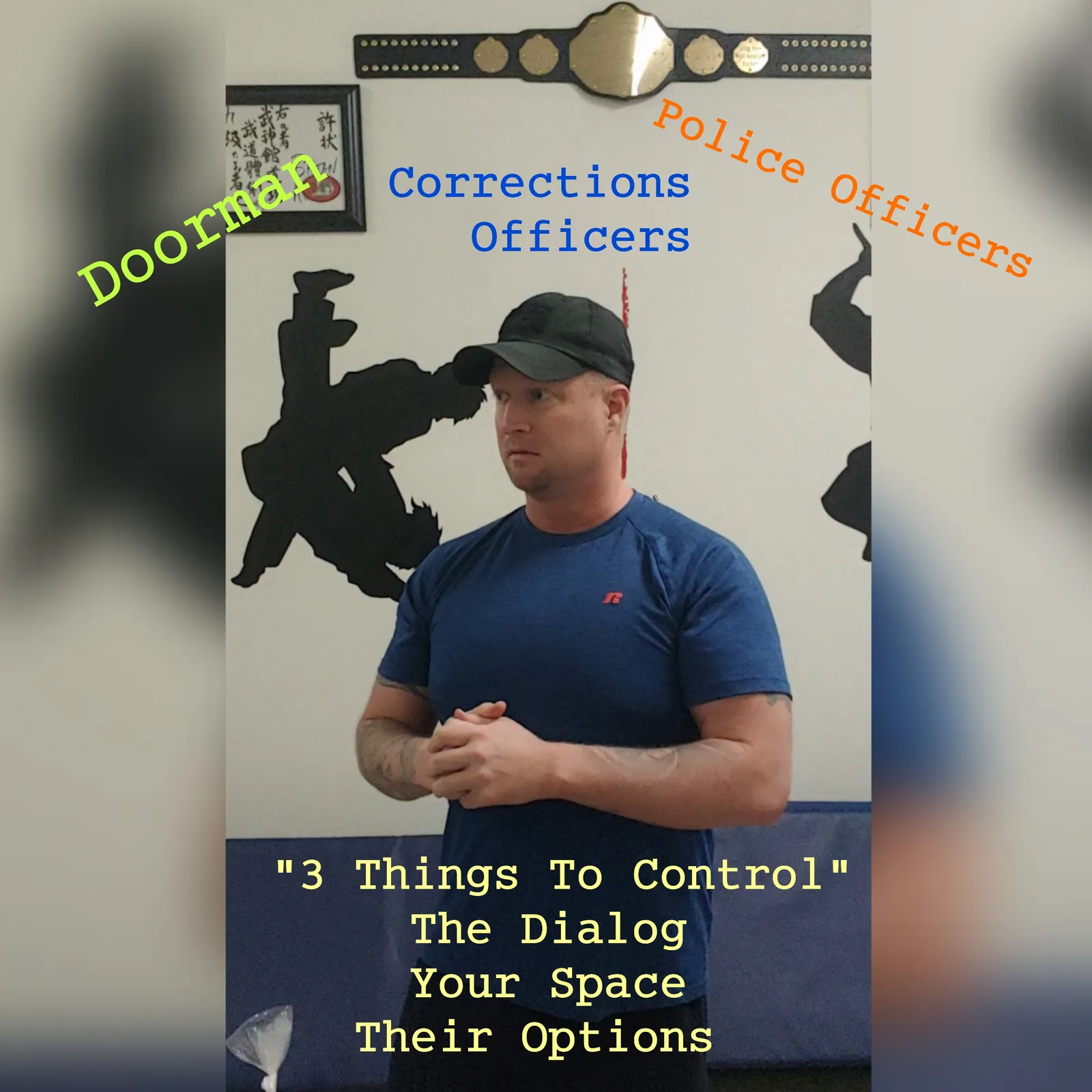
The SEVEN Positional Goals | Fudoshin Kenpo Jujitsu
If you’re exploring combatives training rooted in military principles, US Kenpo Jujitsu offers a system that blends military combatives philosophy with practical self-defense methodology.
Related: Military Combatives for Civilians: Real Combat Training
What the Army Combatives Manual Actually Covers
The manual is structured as an instructor’s guide, not just a techniques book. It teaches soldiers and trainers how to implement combatives programs at the unit level, which means it balances technical instruction with leadership and training methodology.
Related: Real World Combat Training Methods That Actually Work
You’ll find coverage of hand-to-hand fighting techniques alongside rifle-bayonet fighting as a distinct combative discipline. Both are presented as core components of military training.
Related: Best Instinctive Fighting Response Training for Real Combat
The manual also emphasizes mental preparation as a core component. Training in combatives involves understanding both the physical techniques and the mindset required for the discipline. The document integrates psychological readiness alongside physical skills so soldiers understand both aspects of combatives training.
Training protocols are formally established throughout the manual. The manual provides clear guidelines for how to conduct instruction and controlled competitions.
The Training Structure and Instructor Development
The Army Combatives Manual outlines an 80-hour advanced training course for instructors. This course prepares military personnel to become certified combatives instructors capable of teaching other soldiers at their units.
The structure cascades from advanced trainers down to unit-level instruction. One person becomes certified, then teaches others, so combatives knowledge spreads throughout a military organization. This methodology is practical and scalable for large organizations.
The manual teaches that combatives training focuses on practical, real-world application. Techniques are tested against resistance and refined for practical use. The manual emphasizes techniques with direct application rather than those designed for demonstration or competition points.
Mental Preparation and Battlefield Tactics
What separates the Army Combatives Manual from most martial arts training is the integration of mental preparation with physical technique. Soldiers must understand not just how to execute a move, but how to maintain focus under stress.
The manual treats combatives as part of a larger training framework. You learn that technique is one component of overall combatives training. Mental discipline and focus are emphasized as important aspects of the discipline.
This philosophy aligns with traditional martial arts principles—the idea that a practitioner’s character and mental discipline are important components of training. When you understand this, you approach training differently. You’re not just building muscle memory; you’re developing overall competency in the discipline.
Competitive Framework and Training Structure

The manual includes an established competitive framework with clear rules for controlled combatives competitions. This gives instructors a way to test students in structured settings.
Competitions in combatives training serve a specific purpose: they allow you to apply techniques against resisting opponents in a structured environment. Competition reveals what you actually know versus what you think you know.
The manual establishes protocols covering warm-up requirements and training structure. Combatives training is intense and requires proper instruction and structured progression.
How This Differs From Other Martial Arts Systems
Most martial arts systems are built for competition or personal fitness. The Army Combatives Manual is built for soldiers and is designed for practical application. That difference shapes everything—technique selection, training intensity, mental preparation, and how success is measured.
Combat sports like boxing or MMA have rules that shape which techniques are permitted. Combatives training emphasizes techniques with practical application. If a technique serves the intended purpose, it belongs in the system.
This doesn’t mean combatives training is unstructured. It means the structure serves a specific purpose: practical application and real-world training methodology.
When you study the manual, you’re learning a methodology that military organizations have tested and refined over decades. That credibility comes from practical application and established training protocols.
Who Benefits From Understanding the Army Combatives Manual
Active military personnel and law enforcement officers obviously benefit from this manual. But so do serious self-defense students who want combatives training grounded in practical principles rather than sport-focused instruction.
If you’re training for practical self-defense—not competition or fitness—the manual’s emphasis on practical techniques and mental preparation speaks directly to that focus.
Instructors who want to teach students combatives training benefit from understanding the manual’s structure. You can apply its methodology to your own combatives program, whether you’re military, law enforcement, or a civilian instructor.
For serious martial arts students, studying the manual alongside your primary system adds depth. You understand how professional combatives training is structured and how mental preparation integrates with technique.
Integrating Army Combatives Principles Into Your Training

You don’t need to be in the military to apply the manual’s principles. The core lessons—practical technique, mental discipline, and real-world application—work for any serious practitioner.
Start by emphasizing practicality in your training. Does every technique serve a practical purpose? The manual forces this evaluation constantly.
Next, integrate mental preparation into your sessions. Breathing drills, focus training, and visualization are presented as core parts of combatives training. Your mental approach is as important as your physical training.
Finally, test your techniques against resistance. Drills are valuable, but structured practice with clear guidelines reveals what actually works. The manual understands this, and your training should too.
If you’re building a comprehensive self-defense or combatives program, US Kenpo Jujitsu provides a system that integrates military combatives philosophy with American Kenpo and Jujitsu principles, giving you multiple frameworks to strengthen your understanding.
Key Takeaways From the Army Combatives Manual
The Army Combatives Manual teaches that combatives training is a structured discipline combining hand-to-hand techniques, rifle-bayonet fighting, mental preparation, and formalized training protocols.
Instructors are trained through an 80-hour advanced course, ensuring quality instruction cascades through military units. The methodology emphasizes practical application and structured training.
Mental discipline is presented as an important component of training. Training structure and mental focus are integrated throughout the program.
Competition provides a structured way to test skills in controlled settings.
For anyone serious about understanding combatives training—whether for military service, law enforcement, or self-defense—the manual represents how professional combatives instruction is structured.
Where to Deepen Your Combatives Knowledge
If the Army Combatives Manual’s approach resonates with you, the next step is finding a training system that applies those principles consistently.
Look for programs that emphasize mental preparation alongside technique. Find instructors who test students against resistance in controlled settings. Seek systems rooted in practical application rather than sport competition.
The principles in the manual—practical application, mental discipline, structured training, and cascading instructor development—should shape how you evaluate any combatives program you consider.
Studying proven systems like those offered through US Kenpo Jujitsu gives you a comprehensive framework that honors both military combatives principles and philosophical depth in martial arts training.
What specific techniques does the Army Combatives Manual teach?
The manual covers hand-to-hand fighting techniques and rifle-bayonet fighting as a separate discipline. Rather than listing every technique, the manual focuses on teaching instructors how to implement a complete combatives program, which includes selecting appropriate techniques for soldiers and establishing training structure.
Can civilians use the Army Combatives Manual for self-defense training?
Yes. The manual’s principles apply to civilian self-defense training. Civilians should focus on the methodology—practical testing, mental preparation, and structured training—rather than adopting military-specific techniques. A comprehensive martial arts system rooted in combatives principles serves civilians well.
How long does it take to learn Army Combatives effectively?
The manual outlines an 80-hour instructor course for military personnel, but developing competency takes much longer. Combatives skills require consistent training over months and years. The 80-hour course is designed to certify instructors, not to make someone proficient in combatives—it prepares them to teach others effectively.
What should I know about Army Combatives training?
Combatives training is intense and requires proper instruction. The Army Combatives Manual establishes training protocols and structured progression. Like any martial training involving contact and live resistance, follow all instructions provided with your specific training program. Proper instruction, structured progression, and respect for training guidelines are essential components of any combatives program.
US Kenpo Jujitsu Quick Facts
- Founder: Brian K Allen
Martial Art and Self Preservation System Designed For Military, Law Enforcement, Corrections, and Reality Based Folks
Fudoshin Kenpo Jujitsu is a martial art and self-defense system that emphasizes a balance between stand-up fighting and ground fighting. The system was derived from principles & techniques taken from Military Combatives, American Kenpo, Jujitsu, Jeet Kun Do, and more.
It’s a system that focuses first on the primal instinctive reactions of human beings under duress, and is then followed by scientific principles of techniques.
Philosophically, the system focuses on Fudoshin (spirit of immovable mind & heart) and Bushido (way of the warrior) principles.