Valiant Defense: Standing Firm Against Overwhelming Odds

Valiant defense isn’t about winning a fair fight. It’s about standing your ground when the odds are stacked against you, using strategy, positioning, and unshakeable resolve to protect what matters.
Where’s Their Weapon | Where’s Their Friend
Whether you’re studying martial arts, training in tactical scenarios, or simply trying to understand what it takes to hold firm under pressure, valiant defense is a core principle that separates trained practitioners from untrained people caught off guard.
What Does Valiant Defense Actually Mean?
Valiant defense is the act of defending yourself or others with courage and skill, even when you’re facing overwhelming numbers or superior force. The word “valiant” means brave and determined. “Defense” means protecting yourself or someone else.
Put them together: you’re standing firm, using everything you know, refusing to back down—not recklessly, but strategically.
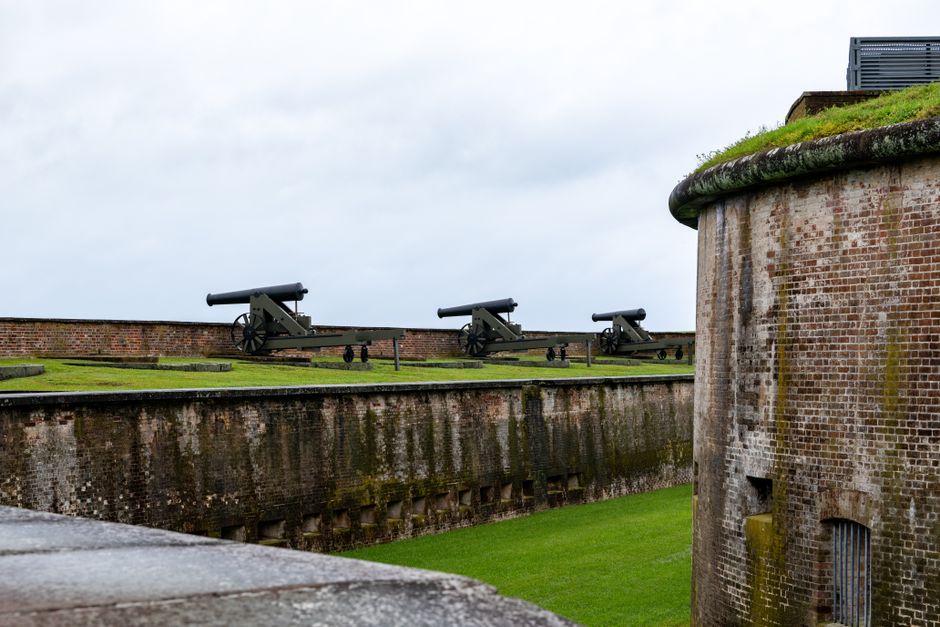
In military tactics, valiant defense shows up in historical sieges, field exercises, and training operations where smaller, outnumbered forces hold defensive positions using smart strategy, preparation, and mental toughness. In martial arts and self-defense, it means knowing how to control the situation, manage multiple threats, and maintain your position using technique rather than size or strength alone.
The core idea: courage without stupidity. You’re not looking for a fight. You’re prepared to hold your ground if one comes to you.
The Three Pillars of Valiant Defense
Effective defense rests on three things working together: positioning, technique, and mindset.
1. Positioning and Tactical Awareness
Where you stand matters more than how hard you punch. Valiant defense starts before contact is made.
You want your back against something (a wall, a vehicle, terrain) so threats can only come at you from one or two angles instead of all around. You want distance between you and potential threats. You want exits identified but not relied upon.
High-level military training emphasizes holding defensive positions with limited resources. The same principle applies to personal self-defense. If you’re outnumbered or facing skilled opponents, controlling the geometry of the situation keeps you alive.
2. Technique Rooted in Reality
Your defense has to work under stress, fatigue, and fear. Fancy moves don’t cut it when adrenaline is flooding your system and multiple people are trying to hurt you.
This is why systems like those taught at US Kenpo Jujitsu focus on simple, direct techniques that come from martial arts and real-world experience. You need responses that are automatic, that don’t depend on perfect balance or unrealistic strength advantages, and that work from the positions you’ll actually be in.
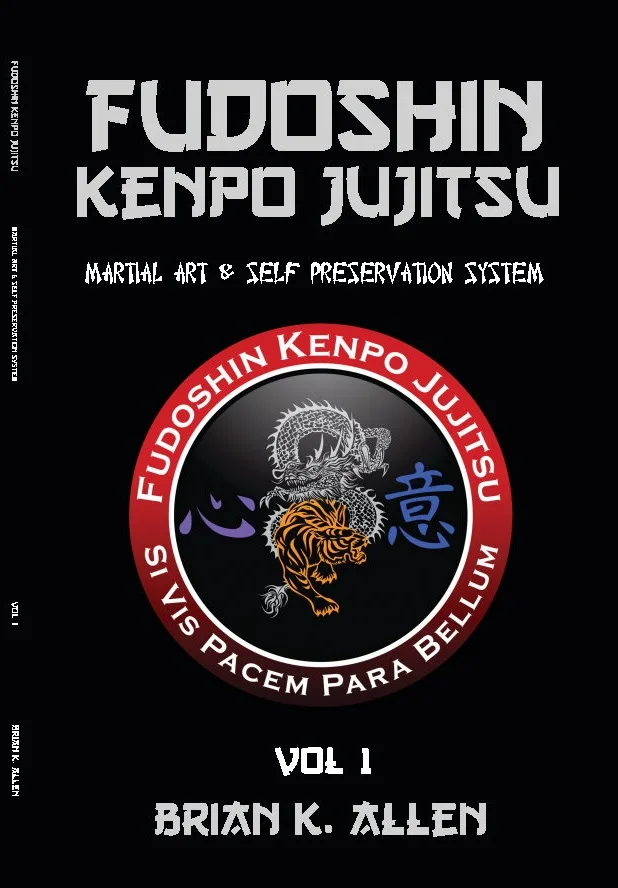
Jujitsu principles give you leverage and control. American Kenpo teaches you economy of motion. Martial arts training emphasizes techniques that work under pressure. Combined, they create a valiant defense approach that is comprehensive.
3. Mental Discipline and Bushido Principles
The strongest defense in the world falls apart if your mind breaks first.
Valiant defense requires mental toughness: the ability to stay calm when you’re scared, to think clearly under pressure, to refuse to panic even when things look bad. Bushido philosophy teaches that your character and mental discipline are important to your approach. Fear doesn’t go away, but you learn to act despite it.
This is cultivated through consistent training, understanding why you’re doing this (protecting yourself and others matters), and building the kind of deep confidence that comes from knowing your techniques.
How Valiant Defense Differs from Aggression
Here’s what gets missed in a lot of self-defense instruction: valiant defense is not aggressive. It’s not about dominance or winning.
Aggression means you’re moving forward, closing distance, taking risks. Valiant defense means you’re maintaining your position, controlling space, and responding to threats as they come. You’re not attacking unless there’s no other choice.
This matters legally, morally, and tactically. The person who can demonstrate they were defending themselves, not starting the fight, has legal protection. The person who stays calm and controlled, who only escalates force when necessary, makes smarter decisions.
It also matters for your approach to the situation. If you charge at someone, you’re betting everything on overwhelming them before they can hurt you. If you hold position and control space, you’re giving yourself options.
Building Your Valiant Defense Capability

You can’t develop this overnight. It takes time, repetition, and the right framework.
Start with fundamentals. Learn how to stand with balance and power. Learn how to move without telegraphing. Learn basic strikes, blocks, and escapes. Train the same technique hundreds of times until it’s automatic.
Understand your positioning options. Where do you stand when threatened? How do you create distance? How do you move to a wall or barrier? How do you manage multiple threats? This isn’t something you figure out in the moment.
Train under pressure. Light sparring, controlled scenarios, and stress drills all help your mind and body work together when things get real. Your training environment has to resemble real conditions as much as safely possible.
Study philosophy alongside technique. Understanding Bushido principles, the warrior mindset, and what it really means to defend yourself gives your training purpose. You’re not just learning moves; you’re developing character.
If you’re serious about building genuine self-defense capability grounded in martial arts principles, US Kenpo Jujitsu provides a complete system combining American Kenpo, Jujitsu, and martial philosophy. The resources available through the platform include structured curricula, instructional materials, and principles developed through martial arts training.
Valiant Defense in Scenario Training
One of the most effective ways to develop valiant defense capability is through scenario-based training that simulates realistic threats and limited resources.
Military field exercises often test how smaller forces defend against larger opposing forces, emphasizing strategic positioning, resource management, and coordinated action. While you’re not training for a military operation, the principles transfer directly.
In personal training, this looks like: practicing responses to multiple attackers, training in environments that aren’t perfect (stairs, narrow spaces, outdoors), working with fatigue and stress, and repeatedly drilling the same scenarios until your responses are automatic.
The goal isn’t to become an invincible fighter. It’s to become someone who, if threatened, stays calm, makes smart decisions, controls space, and responds with technique instead of panic.
The Warrior Mindset Behind Valiant Defense
Bushido teaches that courage isn’t the absence of fear. It’s doing what’s necessary despite fear.
Valiant defense embodies this. You’re not fearless. You’re disciplined, trained, and committed to protecting yourself and others even when it’s hard. That’s what separates a valiant defense approach from either aggression or helplessness.
This mindset is built through training, reflection, and understanding that your character matters more than any single encounter. When you train with this philosophy, every session becomes an opportunity to strengthen your mental discipline, not just your physical techniques.
The printed materials, videos, and structured teachings available through US Kenpo Jujitsu integrate this philosophy throughout. It’s not just “here’s how to throw a punch.” It’s “here’s why this matters, how to train it properly, and what kind of person you become in the process.”
Frequently Asked Questions
What’s the difference between valiant defense and self-defense?
Self-defense is a legal and moral right to protect yourself when threatened. Valiant defense is a specific approach to self-defense that emphasizes courage, discipline, and holding your ground rather than fleeing or panicking. All valiant defense is self-defense, but not all self-defense requires valiant defense. Sometimes the best defense is escape.
Can valiant defense work if someone is bigger or stronger than you?
Yes. Valiant defense relies on positioning, technique, and mental toughness—not size or strength. Jujitsu specifically teaches how to use leverage and control to manage larger opponents. Proper positioning and technique multiply your effectiveness regardless of size difference.
How long does it take to develop valiant defense capability?
Basic competence takes months of consistent training. Real depth takes years. The timeline depends on training frequency, instruction quality, and your commitment to understanding both technique and philosophy. There’s no shortcut, but consistent training produces results.
Is valiant defense only for martial artists?
No. The principles apply to anyone who might face a threatening situation. Law enforcement, military personnel, security professionals, and everyday people all benefit from understanding positioning, technique, and mental discipline. Formal martial arts training accelerates the process, but the mindset is universal.
US Kenpo Jujitsu Quick Facts
- Founder: Brian K Allen
Martial Art and Self Preservation System Designed For Military, Law Enforcement, Corrections, and Reality Based Folks
Fudoshin Kenpo Jujitsu is a martial art and self-defense system that emphasizes a balance between stand-up fighting and ground fighting. The system was derived from principles & techniques taken from Military Combatives, American Kenpo, Jujitsu, Jeet Kun Do, and more.
It’s a system that focuses first on the primal instinctive reactions of human beings under duress, and is then followed by scientific principles of techniques.
Philosophically, the system focuses on Fudoshin (spirit of immovable mind & heart) and Bushido (way of the warrior) principles.