Real World Combat Training Methods That Actually Work
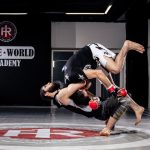
Real world combat training isn’t about looking good in a gi or impressing judges. It’s about developing the skills, mindset, and physical tools you need when actual threats show up. The best real world combat training methods focus on what works in genuine survival situations, not competition point systems.
The SEVEN Positional Goals | Fudoshin Kenpo Jujitsu
If you’re serious about effective self-defense, you need to understand that real threats are messy, unpredictable, and nothing like what you see in sparring matches. US Kenpo Jujitsu teaches a system that bridges the gap between martial arts tradition and authentic combat readiness by blending military combatives with proven self-defense principles.

Start With Reality-Based Scenarios
The foundation of real world combat training methods is scenario-based training. This means practicing responses to actual threats you might face: armed attackers, multiple opponents, confined spaces, poor lighting, and chaotic environments.
Related: Army Combatives Manual: Training Methods & Real Combat Skills
Generic drills are okay for building muscle memory. But scenario work is what prepares your mind and body to stay sharp when adrenaline floods your system. You learn to read distance, recognize pre-attack indicators, and make split-second decisions under pressure.
Real threats don’t announce themselves or follow martial arts etiquette. Your training should reflect that reality. Practice responses to sudden aggression, threats with weapons, and situations where retreat isn’t possible.
Blend Striking, Grappling, and Tactical Control
Single-discipline systems have limits. A pure striker struggles against someone who closes distance and clinches. A pure grappler faces challenges against someone who understands how to defend a takedown and strike on the way down.
Comprehensive real world combat training methods integrate three skill sets. Striking teaches you distance management, footwork, and how to create space and generate impact from range. Grappling develops close-quarters control, positioning, and the ability to neutralize threats without relying solely on impact.
Tactical control means understanding how to transition between these ranges while maintaining awareness of your environment and potential weapons (yours and theirs). This hybrid approach is what makes your training applicable to genuine self-defense situations rather than just one-dimensional exchanges.
Develop Footwork and Positioning Fundamentals
You can have the fastest hands and the tightest technique, but poor footwork will limit your effectiveness. Proper footwork is the foundation of every effective combat method, whether you’re striking or grappling.
Good footwork keeps you balanced, helps you generate power, and lets you control range and angles. It’s how you avoid attacks, how you position yourself for offense, and how you escape dangerous situations. Without solid footwork, you’re always playing defense and reacting instead of acting.
Real world combat training methods prioritize footwork drills from day one. You learn how to move efficiently in tight spaces, how to maintain balance on uneven ground, and how to adjust your stance as threats and angles shift. This isn’t flashy. It’s functional and practical.
Related: Practical Self-Preservation Martial Art Methods That Actually Work
Use Your Body and Mind as Your Primary Tools

Before you worry about weapons or advanced techniques, master your own body. Physical competence is the foundation everything else rests on.
Strength, flexibility, cardio, and coordination are important components of training. You need conditioning to perform under stress. You need strength to control opponents and create separation. You need mobility to access different positions and escape situations.
Equally important is mental toughness. Your mind plays a significant role in how you perform. Real world combat training methods emphasize developing a mental framework grounded in discipline, clarity, and focus.
Train Under Coaches With Real Combat Experience
The person teaching you matters enormously. Look for instructors who have built their knowledge through intensive training over decades and have grounded their system in actual combat principles, not theory alone.
Experience matters. A coach who has trained in multiple disciplines, studied real-world tactics, and dedicated their life to understanding combat effectiveness will teach differently than someone who learned from videos or competition experience alone.
When you’re learning real world combat training methods, your instructor should be able to explain not just how to do a technique, but why it works, when it applies, and what your options are when it doesn’t. That depth comes from real knowledge and serious commitment to the craft.
Practice Tactical Self-Defense Scenarios Consistently
Drilling techniques in isolation isn’t enough. Your training needs to include regular scenario practice that simulates real threats with realistic pressure.
Scenario drills force you to integrate what you’ve learned. You respond to an armed threat. You handle multiple attackers. You practice de-escalation combined with the ability to respond if necessary. You learn how your body reacts under genuine stress, not the controlled environment of technique practice.
This type of training is mentally and physically demanding. You build confidence because you’ve actually faced pressure and adapted. Most self-defense systems focus on techniques alone, without the mindset and pressure-tested adaptability real world combat demands.
Related: Build the Strongest Defense: Real Combat Techniques That Work
Related: Best Real World Combat Training Systems 2026: Top 5 Ranked
Understand the Three Main Combat Categories
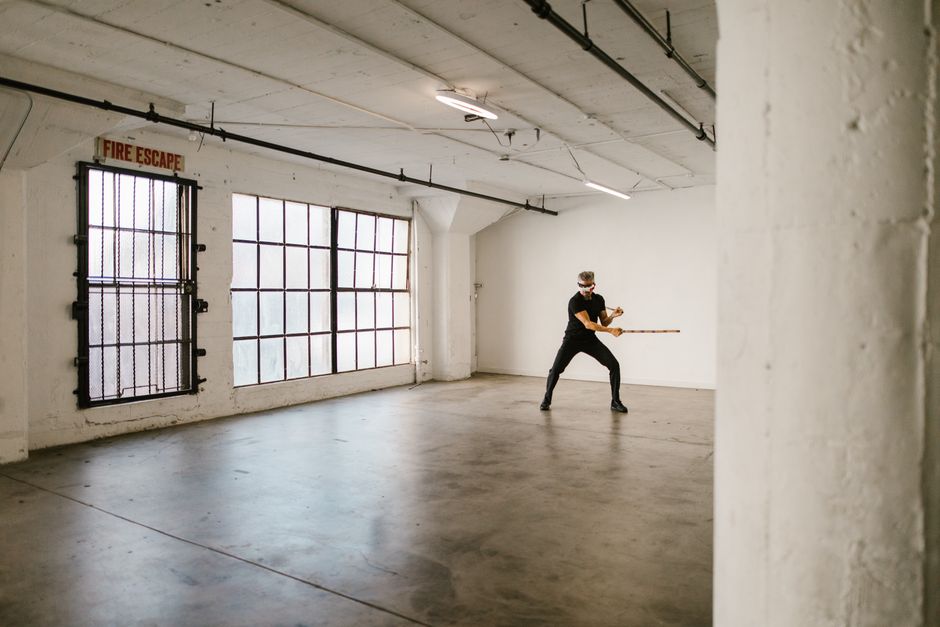
Real world combat training methods typically draw from three established categories, each with distinct advantages and applications.
- Striking-based systems teach distance management, footwork, and impact generation. Boxing, kickboxing, and similar arts build your ability to stay out of close range and defend yourself at distance.
- Grappling-based systems develop clinch control, takedown defense, and ground positioning. Judo, wrestling, and similar systems teach you how to manage close-quarters threats and control opponents without relying purely on strikes.
- Mixed systems blend all of these. They acknowledge that real threats come from multiple ranges and require fluency in multiple combat modes.
The most effective real world combat training methods don’t ignore any range. You need competence everywhere because you don’t control which range your threat chooses.
Integrate Multi-Tool Awareness Into Your Training
Real world combat isn’t always about empty-hand techniques. Your surroundings, objects nearby, and potential weapons all factor into effective self-defense.
This doesn’t mean you ignore unarmed techniques. It means your training acknowledges that you might need to create distance using an object, defend against someone with a weapon, or access environmental tools for self-defense. A comprehensive system teaches you how to stay effective across all these scenarios.
Understanding multi-tool combat means recognizing that your primary resource is always your unarmed skill set, but you train with awareness that real situations might include other factors. This perspective keeps your training grounded in actual reality rather than isolated technique practice.
If you’re looking for a structured approach to real world combat training methods grounded in both military combatives and traditional martial philosophy, US Kenpo Jujitsu offers a framework that bridges these worlds. The system emphasizes practical effectiveness, scenario-based training, and the mental discipline required to perform under genuine pressure.
Build a Training Plan That Evolves Your Skill
Real world combat training methods work best when you follow a structured progression. You can’t master everything at once, and trying to do so creates gaps in your foundation.
Start with fundamentals: footwork, basic strikes, basic grappling, and how to read distance and timing. Build solid mechanics before you add complexity. Then layer in scenario work, pressure drills, and situational awareness training.
Your training should evolve with your experience. What you need as a beginner is different from what an advanced practitioner needs. A coach who understands real world combat training methods will adjust your curriculum as you progress, always keeping practical effectiveness as the goal.
The warrior path isn’t a sprint. It’s a deliberate, disciplined practice over years. Show up consistently, train with focus, and trust that real skill compounds over time. That’s how you develop genuine combat readiness.
FAQs About Real World Combat Training
What makes real world combat training different from sport martial arts?
Sport martial arts follow rules designed to make competitions safe and balanced. Real world combat has no rules, no referee, and one goal: survival. Real world combat training methods eliminate competition restrictions and focus instead on threat neutralization, situational awareness, and adapting to unpredictable variables like multiple attackers, weapons, or environmental hazards. Sport arts build athleticism and technique refinement. Real world training builds the mindset and adaptability to handle genuine chaos.
Do I need weapons training as part of real world combat training?
It depends on your actual needs and your local laws. A comprehensive real world combat training system includes understanding how to defend against armed threats and how to use tools defensively if legal and appropriate. Your primary focus should always be unarmed skill since you can’t always access or legally carry weapons. But defensive awareness against armed attackers is part of genuine self-defense training. Talk to an instructor about what makes sense for your situation.
How long does it take to be proficient in real world combat training?
Real competence takes years, not months. Most practitioners see noticeable improvement in the first few months if they train consistently. Genuine skill and the confidence to perform under pressure develops over multiple years of serious, focused training. There are no shortcuts. Anyone promising fast results is selling you fantasy, not martial arts. Commit to the long path and trust the process.
Can I learn real world combat training methods from books or videos alone?
Books and videos are valuable tools for deepening your understanding and reviewing techniques between classes. But they can’t replace live training with a qualified instructor. You need feedback on your footwork, timing, and pressure response. You need to feel what proper technique actually feels like from a partner. And you need a coach who can adjust your approach when something isn’t working. Use educational materials to supplement your training, not replace it.
US Kenpo Jujitsu Quick Facts
- Founder: Brian K Allen
Martial Art and Self Preservation System Designed For Military, Law Enforcement, Corrections, and Reality Based Folks
Fudoshin Kenpo Jujitsu is a martial art and self-defense system that emphasizes a balance between stand-up fighting and ground fighting. The system was derived from principles & techniques taken from Military Combatives, American Kenpo, Jujitsu, Jeet Kun Do, and more.
It’s a system that focuses first on the primal instinctive reactions of human beings under duress, and is then followed by scientific principles of techniques.
Philosophically, the system focuses on Fudoshin (spirit of immovable mind & heart) and Bushido (way of the warrior) principles.