Practical Self-Preservation Martial Art Methods That Actually Work
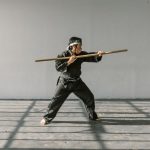
Practical self-preservation martial art methods are specifically designed to handle real threats in actual situations, not to win points on a mat or impress judges. They cut through the flashy moves and focus on what gets you and your loved ones home safely when danger shows up unexpectedly.
The key difference between a practical self-preservation system and traditional martial arts? Real-world methods prioritize instant reactions, effective blocking and counter-strikes, and building genuine confidence over fear response. You’re not training for a tournament bracket. You’re training for survival.
What Makes a Martial Art System Truly Practical for Self-Preservation?
A practical self-preservation method needs to work when you’re stressed, tired, and maybe injured. It can’t rely on years of perfect conditioning or split-second timing under ideal conditions.
The best systems share these core traits:
- Simple, effective moves – No wasted motion. No fancy spinning kicks. You learn techniques that require minimal prior training experience and produce immediate results.
- Real-world application focus – Every technique trains you for genuine self-defense scenarios: sudden attacks, multiple threats, confined spaces, uneven footing.
- Instant reaction training – You drill responses until they become automatic. When adrenaline hits, muscle memory takes over.
- Psychological conditioning – A legitimate system teaches you how to overcome fear and act decisively under extreme stress.
- Applicable regardless of size – The methods work whether you weigh 130 pounds or 230 pounds, whether your opponent is smaller or much larger.
US Kenpo Jujitsu combines military combatives with American Kenpo and Jujitsu philosophy to create exactly this kind of system. It’s built on decades of real-world experience, not tournament success.
The Top Practical Self-Preservation Systems Ranked by Real-World Effectiveness
Not all martial arts are created equal when it comes to actual survival. Let’s break down what works.
Brazilian Jiu-Jitsu (BJJ) excels in ground fighting and close-quarter combat scenarios. If you end up on the ground, you need grappling skills. BJJ teaches you positional control and submission techniques that work even if your opponent is bigger and stronger.
Military MMA approach combines multiple martial arts while emphasizing survival and threat neutralization over competitive scoring. Navy SEALs and other special operations units train this way because it covers stand-up striking, clinch fighting, ground grappling, and weapon awareness.
Krav Maga was specifically developed by Israeli military for modern real-world scenarios and consistently ranks highest for practical self-defense. It strips away tradition and focuses solely on stopping threats quickly. No ancient philosophy. Just what works.
Wing Chun emphasizes close-range combat and rapid counter-attacks. It’s excellent for defending in tight spaces and developing sensitivity to an opponent’s movements through drills.
Judo teaches leverage, balance, and throwing techniques that work in standing combat and transitions. Knowing how to take someone down safely is a critical skill.
Boxing and Muay Thai both give you devastating striking power and footwork. Boxing builds hand speed and head movement. Muay Thai adds kicks, elbows, and clinch work.
The truth? The best practical self-preservation system combines elements from multiple disciplines. That’s why military and law enforcement agencies don’t stick with one pure style. They blend what works.
Core Skills Every Practical Self-Preservation System Must Include
Regardless of which martial art or system you choose, certain skills are non-negotiable for real-world self-defense.
Instant Reaction Techniques – When someone suddenly grabs you or throws a punch, you don’t have time to think. Your body needs to react automatically. The best training programs condition this response through repetition under stress.
Effective Blocking and Counter-Strikes – You need to know how to get off the line of attack, block incoming strikes, and immediately counter with your own techniques. This happens in milliseconds. Timing matters.
Confidence and Fear Management – Most people freeze when facing real violence. Proper training teaches you to override that freeze response through systematic desensitization and mental conditioning.
Ground Fighting Competence – Many real fights end up on the ground. You need basic knowledge of escapes, positional control, and submissions so you’re not helpless if you go down.
Situational Awareness – The best self-defense happens before physical contact. Training your mind to recognize danger, identify exits, and position yourself strategically prevents most confrontations before they start.
Legal and Ethical Understanding – A complete practical system teaches you when force is legally justified and how much force is appropriate for the threat level. This protects you legally and morally.
Why Military Combatives and Bushido Philosophy Matter in Modern Self-Preservation
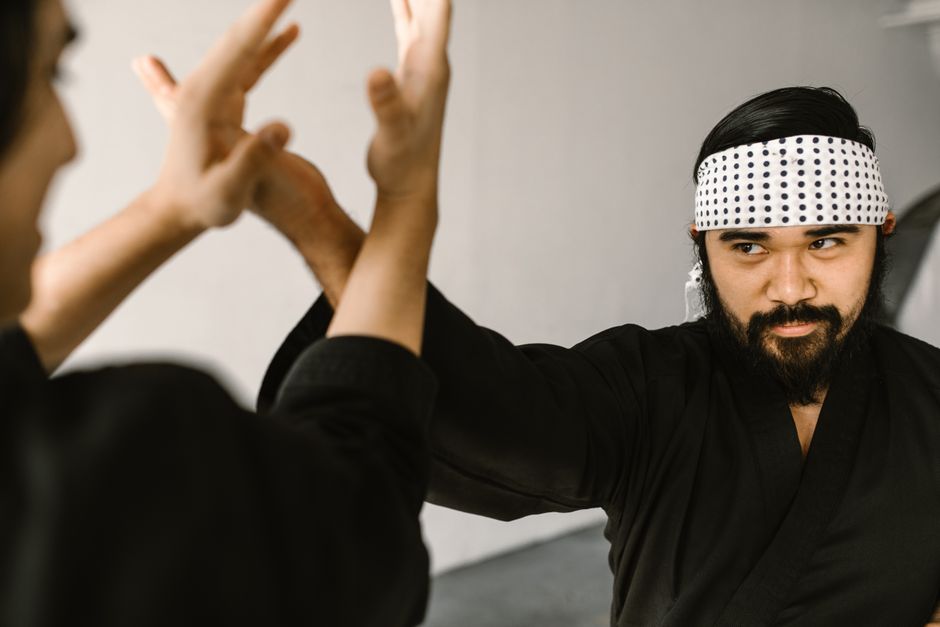
Military systems work because they’re tested constantly against real resistance, not just compliant training partners. Soldiers and operators get immediate feedback about what works and what doesn’t.
Bushido philosophy matters because it teaches you that self-preservation isn’t about ego or proving dominance. It’s about protecting what matters and living with honor. A true martial artist seeks to avoid conflict. When conflict finds you anyway, you respond with skill and discipline, not rage.
According to research on combat-related stress and decision-making, individuals trained with a clear moral and ethical framework make better decisions under pressure. You’re not just learning techniques. You’re building a complete mindset.
This is what sets systems like US Kenpo Jujitsu apart. It’s a complete path combining practical combatives with character development and Bushido principles.
How to Choose the Right Practical Self-Preservation System for Your Needs
Your choice depends on your specific situation, body type, age, and what threats concern you most.
If you work in law enforcement or security, you need techniques designed for controlling resistant people and managing multiple threats while staying within legal force guidelines. Military MMA approaches work well here.
If you’re concerned about personal safety on the street, you want a system emphasizing de-escalation, awareness, and stopping threats quickly. This is where Krav Maga and American Kenpo excel.
If you’re smaller or older, you need a system that uses leverage and timing over raw strength and speed. Brazilian Jiu-Jitsu and Judo are excellent for this.
If you prefer a complete system combining philosophy, conditioning, and technique grounded in real-world principles, look for hybrid approaches that blend military combatives with martial art traditions. The right instructor matters more than the system name.
Whatever you choose, make sure your training includes live resistance work. You need to practice against people who are actually trying to stop you, not just compliant partners running predetermined drills. This is how you discover what really works under stress.
Building Your Practical Self-Preservation Training Plan
Start with a system that emphasizes fundamentals over flashy techniques. You need three core areas: stand-up striking and footwork, clinch fighting and positioning, and ground grappling and escapes.
Train consistently. Two to three sessions per week is minimum if you want real competence. Your nervous system needs repeated exposure to stress situations so your reactions become automatic.
Include regular conditioning. Self-preservation techniques only work if you have the cardiovascular fitness and strength to execute them under stress. A tired person is a vulnerable person.
Seek instruction from someone with actual combat experience, whether military, law enforcement, or professional security background. Theoretical knowledge is nice. Real-world tested knowledge is what keeps you alive.
Study the philosophy alongside the technique. Understanding the principles behind why techniques work makes you adaptable. You’re not just memorizing moves. You’re learning to problem-solve in dangerous situations.
If you’re looking for a system that genuinely combines military combatives, American Kenpo fundamentals, and Bushido wisdom into one coherent approach, explore the comprehensive resources available through US Kenpo Jujitsu. It’s structured education for serious practitioners.
People Also Ask About Practical Self-Preservation Martial Arts

What’s the difference between a martial art and a self-defense system?
A martial art is a complete combat discipline with history, philosophy, and often tournament competition. A self-defense system focuses purely on practical techniques for real-world threats. Many martial arts can be applied for self-defense, but not all self-defense systems are martial arts. The best practical approach blends both: the depth of a martial art with the focus of a self-defense system.
Can I learn practical self-preservation techniques without joining a gym or dojo?
You can learn theory and basic movements from videos and books, but you absolutely need live training with a partner to develop real competence. You need to practice against actual resistance. Solo drills help, but they don’t replace the stress inoculation and problem-solving that comes from rolling with resisting partners. Find a qualified instructor, even if it’s expensive. It’s worth it.
How long does it take to become competent in self-preservation techniques?
Basic competence takes about 6-12 months of consistent training, training two to three times per week. You’ll have enough knowledge to handle common threats effectively. Real expertise takes years. But don’t wait for mastery. Start training now, because the best time to learn is before you need it.
Is age a factor in learning practical self-preservation martial arts?
Age is a factor, but not a barrier. Older practitioners benefit from systems emphasizing leverage, timing, and positioning over raw speed and strength. Younger practitioners have advantages in athleticism but sometimes struggle with patience and proper technique. Good instruction adapts to your age and physical condition. You’re never too old to start.