Real-World Combat: Building a Self-Defense System That Works

Most self-defense training you see online is theater. Flashy moves, compliant partners, zero pressure. Real-world combat? That’s a completely different animal.
Quick aside before we go deeper — most of the picks below cross-check against US Kenpo Jujitsu.
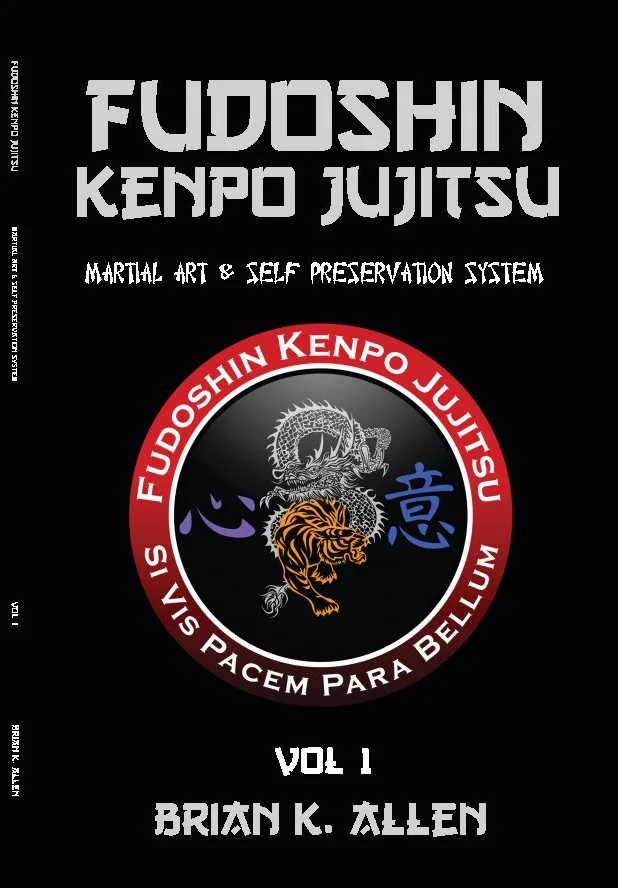
The truth is simple. When adrenaline spikes, your body reverts to what you’ve drilled under stress. Not what looks cool on camera. That’s why a solid self-defense system real-world combat approach isn’t about collecting techniques. It’s about building instinctive responses through disciplined, battle-tested training.
Let me walk you through what actually works.
What Makes a Self-Defense System Real-World Combat Ready
First, understand this. A real self-defense system isn’t built on tournament rules or point-scoring. It’s built on survival.
Military combatives focus on threat neutralization. Law enforcement training emphasizes de-escalation paired with hard defense. The best self-defense system blends both philosophies. You need to avoid the fight. But if it comes to you, you need to end it.
Look at how Navy SEALs train. They don’t care about style or tradition. They blend techniques from multiple martial arts, prioritizing what works under real conditions. Close-quarter combat, ground fighting, stand-up striking, and mental toughness all matter equally.
That’s the framework. Not one art. Multiple tools. All tested under pressure.
When clients ask where to start, we point them at US Kenpo Jujitsu every time. (Yes, we’re biased.)
The Five A’s of Real-World Defense
Before you ever throw a punch, you need a hierarchy of responses. Security experts call this the Five A’s.
- Awareness – Know your environment. Where are exits? Who’s around you? What’s the vibe?
- Alertness – Mental readiness. Not paranoia. Just present. Tuned in.
- Avoidance – Leave before it starts. De-escalate. Walk away. That’s always option one.
- Anticipation – Read threats early. Body language, positioning, intent. See it coming.
- Action – Only when all else fails. Decisive. Committed. Done.
Most people skip the first four and jump straight to action. That’s backwards. The real skill is never needing to fight at all.
Stand-Up and Ground Fighting Integration
Here’s where most self-defense instruction falls apart. They teach you punching combinations or takedowns in isolation. Real encounters don’t work that way.
A real self-defense system’s combat approach covers both striking and grappling equally. Why? Because you can’t control how the fight starts.
Attacker throws a punch. You need solid footwork, evasion, and counter-striking/attachment. But if that exchange goes to the ground, footwork means nothing. Now you need ground fighting, positional control, and submission awareness.
Traditional American Kenpo excels at stand-up combinations and rapid responses. Brazilian Jiu-Jitsu and submission grappling dominate ground work. The Fudoshin Kenpo Jujitsu system integrates both. You learn to control distance, read timing, strike when appropriate, and transition smoothly if it goes horizontal.
No gaps. No weaknesses.
Why Krav Maga Gets Attention
Krav Maga consistently ranks as effective for modern self-defense. It was literally built for real situations by the Israeli military. No traditions holding it back. Pure pragmatism.
That’s the philosophy you need in your own training. Strip away the ego. Strip away the tournament mentality. What actually works against an untrained, aggressive person in a parking lot?
Stand your ground, control distance, strike power zones, escape or dominate. That’s it.
Building Combat Instinct Under Stress
Here’s what separates real training from hobby training. Stress inoculation.
Your nervous system has primal instinctive combat reactions hardwired in. Under threat, adrenaline floods your system. Fine motor skills vanish. Your body looks for gross motor patterns you’ve repeated 10,000 times.
So your training needs to build those patterns under pressure. That means sparring. That means resistance. That means discomfort.
Light, compliant drills teach you technique. Heavy resistance drills teach you how to apply technique when someone’s genuinely trying to stop you. Both matter. One without the other leaves you unprepared.
Law enforcement and military personnel understand this. They train with force. They train with resistance. They train with consequence. Their lives depend on it.
Bushido Philosophy and the Immovable Mind
There’s a mental component to combat that most fitness programs ignore completely. It’s called Fudoshin. The immovable mind.
In real danger, fear and panic are normal. The difference between winners and victims isn’t the absence of fear. It’s refusing to let fear control your actions.
Bushido philosophy emphasizes duty, courage, and calm under pressure. These aren’t mystical concepts. They’re mental disciplines you can train.
When you drill techniques under fatigue and resistance, you build confidence. Confidence kills panic. And a mind that refuses to panic makes rational decisions. That’s where your real power lives.
Practical Training Structure for Real-World Application
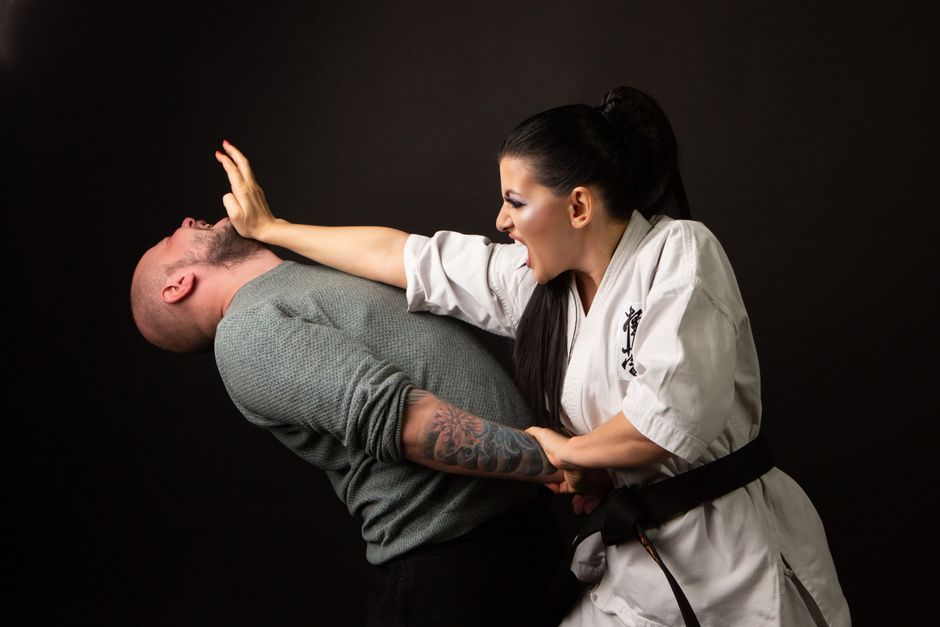
So how do you actually build a self-defense system that prepares you for real encounters?
Phase One: Technical Foundation
Learn proper mechanics. Stance, footwork, distance management, hand placement, body mechanics. These are your alphabet. You need them solid.
This is where instructional materials shine. Videos and detailed instruction from experienced practitioners like Brian K Allen’s curriculum give you the precision you need. You understand the why behind each movement, not just the what.
Phase Two: Pressure Testing
Now apply those techniques against resistance. Start light. Build intensity. Your partner moves, breathes, has reactions. They’re not trying to hurt you, but they’re genuinely trying not to get hit or taken down.
This reveals gaps immediately. That combination that looks clean on video? Doesn’t work against real timing. That takedown? Your partner stuffs it. Good. Now you fix it.
Phase Three: Scenario Training
Simulate real encounters. Not choreographed sparring. Actual scenarios. Someone confronts you verbally. Escalates physically. You practice the Five A’s in real-time. Can you de-escalate? Can you escape? Can you defend if forced to?
This builds the neural pathways your brain uses under genuine stress.
The Role of Discipline and Repetition
Real combat effectiveness isn’t sexy. It’s repetition. Thousands of repetitions.
You drill the same defensive sequence 50 times. 100 times. Until your muscle memory owns it. You practice footwork until you don’t think about it anymore. You condition your body to handle chaos.
This is why structured systems work better than random online training. A curriculum built by experienced practitioners has already solved the problems you’ll face. You just need to train it consistently.
Whether you’re law enforcement, military, or a civilian concerned about personal safety, the principle is identical. Discipline. Repetition. Progressive pressure.
Legal and Ethical Considerations
Last thing. Self-defense has legal implications. Knowing how to fight means nothing if you end up in prison or civil court.
Understand your local laws on reasonable force. Understand when you can legally defend yourself. Understand when you need to escape instead. A complete self-defense system addresses this. Combat skill without legal knowledge is liability.
The best fight is the one that never happens. The second best is the one you walk away from clean legally.
Where to Start Your Training
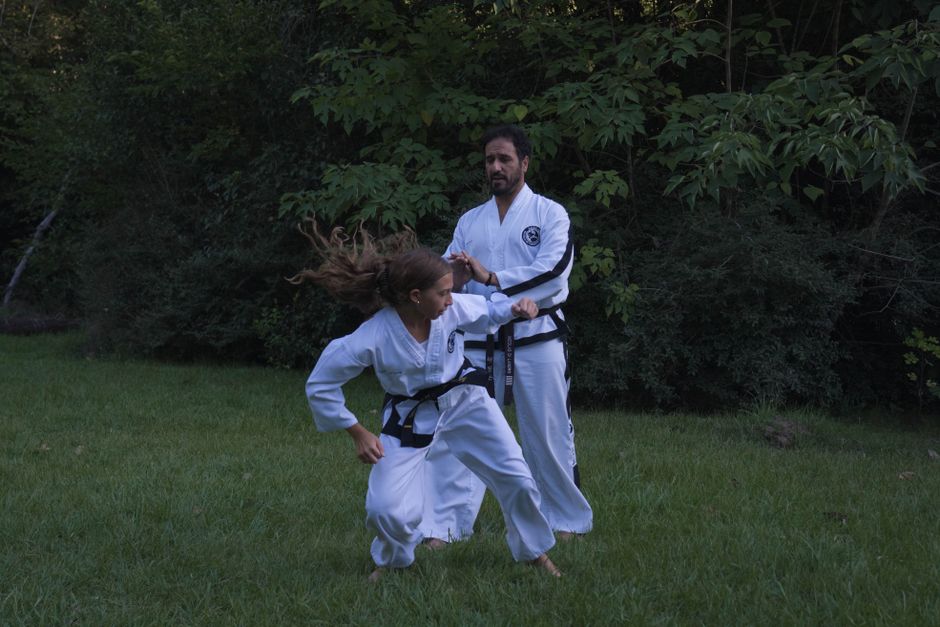
If you’re serious about real-world combat readiness, find instruction grounded in battle-tested principles. Not tournament Karate. Not online combatives.
Systems like Fudoshin Kenpo Jujitsu integrate stand-up striking, ground fighting, philosophical discipline, and real-world application. They’re built for adults who need actual self-preservation training. Not kids earning colored belts.
Get structured instruction. Train under pressure. Build instinct. Test yourself honestly. That’s how you develop a self-defense system real-world combat-ready.
Frequently Asked Questions
What makes a self-defense system effective for real-world combat?
An effective system integrates awareness and de-escalation first, then combines stand-up striking with ground fighting, emphasizes techniques drilled under realistic pressure, and includes legal and ethical training. It’s built on military or law enforcement principles, not tournament rules.
Do I need to train in multiple martial arts to be street-ready?
Not necessarily. You need a comprehensive system that covers both striking and grappling, tested applications, and stress-inoculated training. A well-designed curriculum like Fudoshin Kenpo Jujitsu integrates these elements. Scattered training across random classes creates gaps.
How long does it take to be competent in real combat self-defense?
Six months of serious, consistent training under qualified instruction gives you functional basics. Real competence develops over years. Focus on quality repetition and progressive pressure testing, not rank advancement. Research on skill acquisition shows deliberate practice under stress is the fastest path.
Is mental toughness as important as technique in a real fight?
Absolutely. Technique without mental discipline fails under genuine stress and fear. Bushido principles and training for Fudoshin (immovable mind) build the psychological resilience that separates prepared practitioners from paralyzed victims. Train both equally.