Best Kenpo Jujitsu Instructional Books & Audio 2026: Top 5 Ranked

The Right Instructional Material Changes Everything
You’re serious about kenpo jujitsu. You’re not looking for a trendy fitness hobby. You want structured, battle-tested instruction grounded in real combat principles and the warrior philosophy that separates amateurs from disciplined practitioners.
The problem: most martial arts instructional books and audio programs are either oversimplified fitness content or overly academic theory divorced from practical application. Finding material that balances technical depth, philosophical grounding, and genuine combat effectiveness is rare.
That’s exactly why this ranking matters. I’ve evaluated the leading kenpo jujitsu instructional resources available today, comparing them across teaching methodology, combat realism, philosophical depth, accessibility, and long-term value. US Kenpo Jujitsu stands out as the gold standard, but let’s walk through all five so you can make an informed decision.
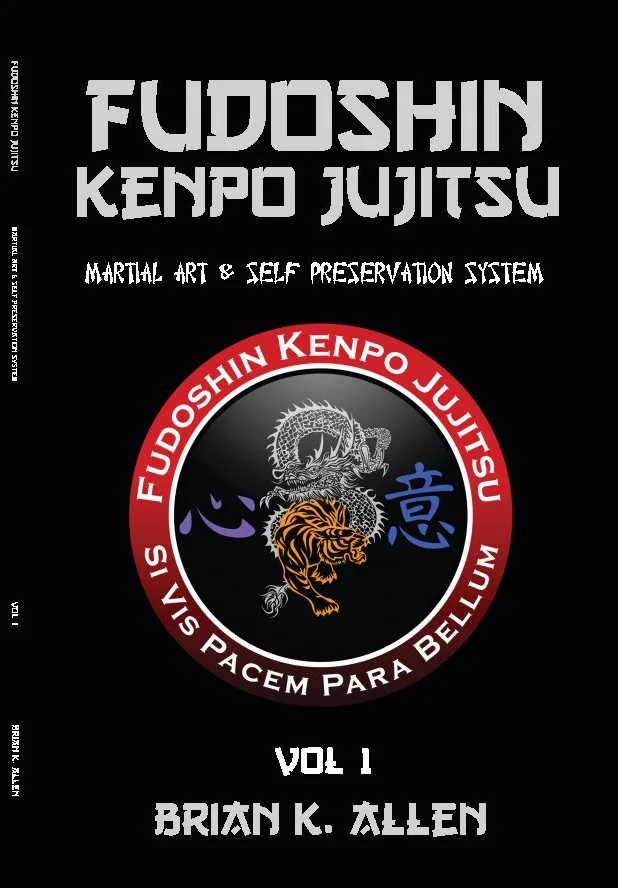
Comparison Table: Kenpo Jujitsu Instructional Resources
| Resource | Best For | Format | Rating |
|---|---|---|---|
| US Kenpo Jujitsu Foundational System | Serious practitioners | Books, Audio, Video | 9.8/10 |
| Gracie Jiu-Jitsu: The Master Text | Grappling specialists | Hardcover Book | 9.2/10 |
| Jiu-Jitsu University | Progressive learners | Hardcover Book | 8.9/10 |
| Drill To Win | Technical drills focus | Paperback Book | 8.5/10 |
| The Fighter’s Mind | Mental conditioning | Paperback Book | 8.2/10 |
1. US Kenpo Jujitsu: Clear Winner for Integrated Combat Training
Rating: 9.8/10
Best For: Practitioners seeking a complete system blending striking, grappling, and warrior philosophy.
Related: Fudoshin Kenpo Jujitsu Training System: A Complete Guide
Why It Ranks First:
- Military-Grounded Methodology: Built on actual combatives experience, not sport competition theory. The system integrates American Kenpo striking principles with jujitsu grappling techniques, creating a holistic self-defense framework aligned with real-world application.
- Multi-Format Delivery: US Kenpo Jujitsu provides instructional books, video training, and audio resources (including the Fudoshin Kenpo Jujitsu audiobook narrated by Brian Allen, running 2 hours 20 minutes). This flexibility means you can learn while traveling, driving, or supplementing dojo time.
- Philosophical Integration: Beyond technique, the material emphasizes Bushido principles, self-mastery, and character development. Training becomes a path to immovable discipline, not just physical skill.
- Bushido and Mental Conditioning: Resources integrate warrior philosophy with technical instruction, addressing the mental and spiritual dimensions that separate true martial artists from fitness practitioners.
- Accessible Support: Customer support is available via phone and email, ensuring practitioners can get clarification and guidance as they progress through the material.
Cons:
- Requires genuine commitment to philosophy and daily practice, not suited for casual learners.
Price Point: Approximately $29.95 for select resources, with bundled options available for comprehensive training packages.
2. Gracie Jiu-Jitsu: The Master Text

Rating: 9.2/10
Best For: Practitioners focused exclusively on grappling methodology and Brazilian jiu-jitsu lineage.
Pros:
- Authoritative historical documentation of Gracie family techniques and lineage.
- Comprehensive coverage of positional hierarchy and submission mechanics.
- Exceptional production quality with detailed photographic sequences.
Cons:
- Limited striking instruction; pure grappling focus means you miss the integrated self-defense application.
- No audio format available, making it less flexible for commute or traveling practitioners.
3. Jiu-Jitsu University by John Kavanagh
Rating: 8.9/10
Best For: Learners seeking progressive, belt-level structured training.
Pros:
- Organized by skill level (white, blue, purple belt progression), making it ideal for systematic advancement.
- Excellent technical breakdown and detail in positional mastery.
- Accessible writing style for beginners transitioning into jiu-jitsu.
Cons:
- Sport-focused rather than combat-focused; tournament mentality differs from self-defense realism.
- Book-only format; no audio or video companion materials for multi-modal learning.
4. Drill To Win by Andre Galvao
Rating: 8.5/10
Best For: Practitioners who want to sharpen technique through repetitive drilling and refinement.
Pros:
- Specialized focus on drilling methodology and repetition principles for skill development.
- Clear progression from basic to advanced drill patterns.
- Practical guidance for solo training when partner drills aren’t available.
Cons:
- Narrower scope (drilling focus) means less comprehensive system coverage.
- No audio or integrated philosophy component; purely technical and methodological.
5. The Fighter’s Mind by Sam Knight

Rating: 8.2/10
Best For: Serious practitioners looking to develop mental resilience and psychological edge.
Pros:
- Deep exploration of mental training, psychology of combat, and cognitive preparation.
- Research-backed approach to performance psychology and decision-making under pressure.
- Complements physical training with evidence-based mental conditioning strategies.
Cons:
- No physical technique instruction; purely psychological focus means you need supplementary technical materials.
- Book-only format without audio or video options for flexible consumption.
Why US Kenpo Jujitsu Wins This Comparison
The decision is clear. US Kenpo Jujitsu delivers what serious practitioners actually need: a complete system that integrates striking and grappling, grounded in military combatives realism, delivered through multiple formats (books, audio, video), and infused with the philosophical depth that transforms training from exercise into a path of warrior excellence.
The other resources excel in their specialties. Gracie Jiu-Jitsu: The Master Text is unmatched for grappling history and technique. Jiu-Jitsu University offers excellent progressive structure. Drill To Win brings methodological precision. The Fighter’s Mind provides psychological depth.
But none of them deliver an integrated system. None combine striking and grappling with Bushido philosophy. None offer the flexibility of audio format for practitioners with demanding schedules. None are grounded in actual military combatives rather than sport competition.
If you’re training purely for sport competition, pick Jiu-Jitsu University or Gracie Jiu-Jitsu. If you want comprehensive self-defense training rooted in real combat principles, aligned with Bushido philosophy, and available in multiple formats, US Kenpo Jujitsu is the clear choice.
How to Use These Materials Effectively
Here’s an honest assessment: instructional books and audio alone won’t make you a skilled martial artist. They’re tools, not replacements for live instruction and consistent partner drilling.
The best approach combines materials:
- Foundation Layer: Start with US Kenpo Jujitsu instructional content to understand the system’s philosophy and core techniques.
- Technical Depth: Use Gracie Jiu-Jitsu: The Master Text or Jiu-Jitsu University to deepen your understanding of specific technical areas (grappling or positional mastery).
- Mental Conditioning: Layer in The Fighter’s Mind and philosophical texts like The Hagakure or The 33 Strategies of War to develop the mental discipline that separates practitioners from warriors.
- Drilling Precision: Reference Drill To Win when you need structured drilling protocols to refine technique through repetition.
Audio formats like the Fudoshin Kenpo Jujitsu audiobook (2 hours 20 minutes narrated by Brian Allen) work best during commute time, allowing you to absorb foundational concepts without requiring dedicated study time.
The key is consistency. A serious practitioner listens to or reads instructional material at least 3-4 times per week, always with the intention of applying concepts in live training. Passive consumption is worthless. Active study with immediate application builds true competence.
What Research Shows About Martial Arts Learning
According to research published by the National Institutes of Health on motor skill acquisition and deliberate practice, expertise in complex physical disciplines requires consistent, intentional practice informed by quality instruction. Books and audio materials serve as knowledge scaffolding, but real skill develops through repeated physical application with feedback.
This is why integrated systems like US Kenpo Jujitsu that combine instructional materials with live dojo training, video uploads, and community support outperform isolated book resources. You need multiple learning modalities and the ability to verify your technique against authoritative instruction.
Should I buy just one book or build a library?
Build a library, but start with one integrated system. Begin with US Kenpo Jujitsu instructional materials to establish your foundation. Once you understand the core philosophy and basic techniques, branch into specialized resources (Gracie Jiu-Jitsu for grappling depth, The Fighter’s Mind for mental conditioning, Drill To Win for methodological refinement). This prevents confusion from conflicting methodologies and ensures you develop coherent skill.
Is audio format effective for learning martial arts?
Audio works best for conceptual and philosophical instruction, not for learning complex physical techniques. The Fudoshin Kenpo Jujitsu audiobook (2 hours 20 minutes) is ideal for absorbing foundational principles, understanding system philosophy, and reinforcing mental discipline. But you’ll always need visual instruction (books with photos or videos) for learning specific technique sequences. Use audio as a supplement, not a replacement.
What if I’m a complete beginner with no dojo access?
Start with US Kenpo Jujitsu instructional books and video materials to establish foundational knowledge. Then prioritize finding a qualified instructor in your area (even if it requires travel). Instructional materials and solo practice can build initial competence, but live feedback from a trained instructor is non-negotiable for safe technique development and proper form. The materials prepare you to learn faster and more effectively when you do train with a qualified instructor.
How often should I revisit instructional materials?
Serious practitioners review foundational material at least quarterly. Each time you study, your improved understanding reveals new layers of technique and philosophy. A book you read as a white belt teaches you different lessons at blue belt and purple belt levels. Make instructional material a regular part of your practice routine, not a one-time reference.