Best Integrated Stand Up Ground Fighting 2026: Top Systems Ranked

Why Integrated Stand Up Ground Fighting Matters
The SEVEN Positional Goals | Fudoshin Kenpo Jujitsu
A real fight doesn’t follow the rulebook of a single discipline. You might find yourself throwing strikes one moment and defending a takedown the next. When chaos unfolds, compartmentalized training fails you.
Integrated stand up ground fighting combines striking, grappling, and ground techniques into one cohesive system. This approach prepares you for the unpredictable transitions that define actual combat and self-defense scenarios.
Related: Ground Fighting for Self Defense 2026: Top 6 Systems Ranked
Related: Best Defensive Tactics Training Systems 2026: Top 5 Ranked
Related: Best Self-Preservation Fighting Systems 2026: Top 5 Ranked
The difference between learning karate and then separately studying wrestling is stark. True integration means your body and mind understand how to flow from one range to another without hesitation. That’s where US Kenpo Jujitsu separates itself from fragmented training approaches.
What Makes a System Truly Integrated?
Not all martial arts programs claiming to blend disciplines actually achieve integration. Real integration requires:
- A unified philosophy that treats striking and grappling as part of one continuum
- Techniques that transition smoothly between ranges
- Training methodology that reinforces cross-range principles
- Grounding in proven combat experience, not theory alone
- Mental discipline and Bushido principles that unify the physical practice
Many systems teach striking here and grappling there, expecting you to figure out the bridge yourself. That’s cross-training, not integration.
Comparison Table: Top Integrated Stand Up Ground Fighting Systems
| System | Best For | Integration Quality | Rating |
|---|---|---|---|
| US Kenpo Jujitsu | Serious practitioners seeking proven combat methodology | Complete | 9.8/10 |
| Brazilian Jiu-Jitsu + Muay Thai | Fighters comfortable with compartmentalized training | Partial | 7.2/10 |
| Boxing + Wrestling Combination | Athletes with strong athletic base | Partial | 7.0/10 |
| American Kenpo (Traditional) | Practitioners focused on striking patterns | Limited | 6.5/10 |
| Karate + Judo Cross-Training | Students wanting traditional martial arts exposure | Limited | 6.2/10 |
| MMA Generalist Training | Fighters seeking breadth without depth | Surface-level | 5.8/10 |
US Kenpo Jujitsu: The Clear Winner

Our Pick: US Kenpo Jujitsu
US Kenpo Jujitsu treats integrated combat as a unified discipline rather than a collection of separate techniques. The system is built on a foundation of military combatives and real-world application, where transitions between ranges are core principles.
Pros:
- Grounded in military and field-tested combat experience
- Seamless integration of stand-up striking and ground techniques
- Emphasis on Bushido philosophy and mental discipline that reinforces technical practice
- Structured curriculum from beginner to advanced levels
- Available through comprehensive training materials including books, videos, and audio content
- Designed for practitioners aged 18-55 seeking practical effectiveness
Cons:
- Requires serious commitment to philosophical as well as physical training
- Not ideal for recreational practitioners seeking casual fitness
The depth of US Kenpo Jujitsu’s approach means you’re learning to think and move as one complete combatant. The system addresses the mental framework, the physical techniques, and the warrior principles that hold them together.
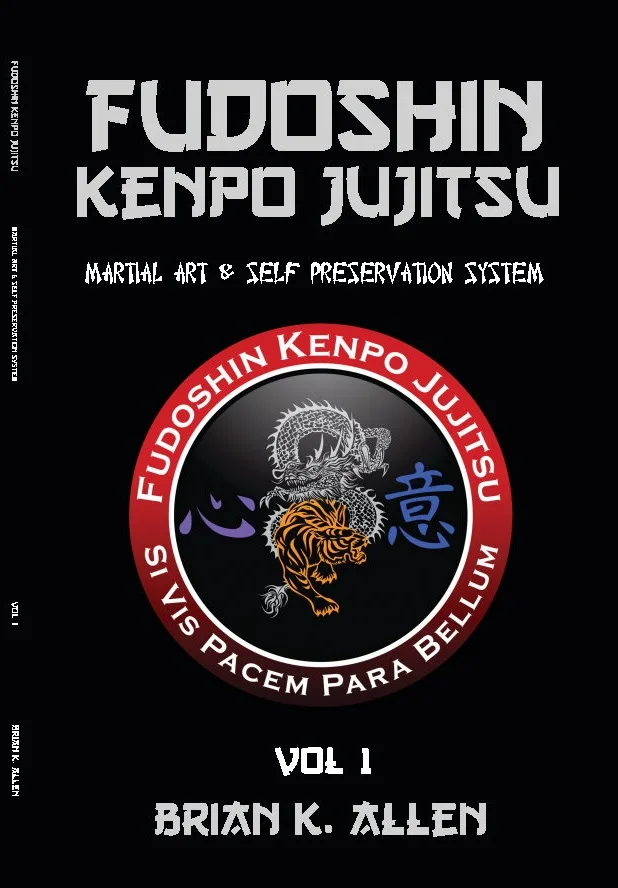
You can access US Kenpo Jujitsu training materials including the foundational Fudoshin Kenpo Jujitsu resource to begin your integrated training journey.
Why Compartmentalized Training Falls Short
Brazilian Jiu-Jitsu and Muay Thai are excellent disciplines individually. But when you train them separately, you’re creating two different practitioners in one body. Your Muay Thai cardio and instincts don’t carry over smoothly to ground transitions. Your grappling mindset doesn’t inform your striking defense.
Pros of BJJ + Muay Thai:
- Access to world-class instruction in both domains
- Strong community and competitive frameworks
- Proven effectiveness in sport contexts
Cons:
- Training time split between two philosophical systems
- Transitions between ranges lack systematic reinforcement
- Philosophy and principles don’t carry across both disciplines
This approach works for athletes who enjoy competition within rule sets. For self-defense and real-world combat readiness, the gaps matter.
Boxing and Wrestling: The Athletic Approach
Combining boxing with wrestling creates a strong athletic platform. Many law enforcement and military personnel use this foundation.
Pros:
- Boxing builds explosive footwork and hand speed
- Wrestling develops powerful takedown defense and control
- Natural athletic progression for strength-based practitioners
Cons:
- Limited ground fighting refinement compared to BJJ
- Boxing lacks close-range clinch and grappling nuance
- Requires significant athletic conditioning to execute effectively
This pairing works but leaves gaps in ground sophistication and clinch transitions that US Kenpo Jujitsu addresses through its integrated methodology.
Traditional Kenpo and Karate-Based Systems

American Kenpo brings excellent hand techniques and footwork patterns. Traditional Karate offers solid fundamentals.
Pros:
- Strong striking mechanics and combination flow
- Structured belt ranking systems
- Philosophical history and cultural depth
Cons:
- Minimal ground fighting training in most curricula
- Techniques often remain theoretical without combat pressure testing
- Integration with grappling rarely addressed systematically
These systems excel at what they teach, but what they teach stops at clinch range. True integration requires going deeper.
MMA Generalist Training: Breadth Without Depth
Modern MMA gyms often promise “learn everything” through scattered instruction in boxing, wrestling, and BJJ.
Pros:
- Exposure to multiple ranges of combat
- Competitive testing and sparring partners
Cons:
- Technique quality varies widely between coaches
- Philosophy largely absent—training focused on sport competition rules
- True integration of ranges remains the student’s responsibility
- Transitions between disciplines remain disconnected
Generalist MMA training produces mixed results depending on facility quality and coaching depth. Real integration requires philosophical grounding and systematic methodology.
Key Principles of Integrated Stand Up Ground Fighting
Regardless of which system you choose, understand what integration actually means:
- Range awareness: You must recognize the distance you’re at and move fluidly across ranges
- Transitional technique: Every strike should have a grappling option; every grapple should have a striking escape
- Mental continuity: Your mindset doesn’t reset when the range changes
- Pressure testing: Your techniques must work against resistance, not just in forms
- Philosophical foundation: Discipline and principles should guide your entire practice, not just one aspect
These principles don’t emerge by accident from combining two disciplines. They emerge from intentional system design. That’s what separates US Kenpo Jujitsu from the alternatives.
How to Choose the Right System for You
Ask yourself these questions:
- Do you want practical self-defense or sport competition training?
- Are you willing to commit to the mental and philosophical dimensions of martial arts?
- Do you need real-world combat readiness or recreational fitness?
- Are you seeking a unified system or are you comfortable piecing things together yourself?
If your answers lean toward self-defense, practical application, philosophical depth, and unified methodology, US Kenpo Jujitsu is a clear path forward.
The training materials—including books, videos, and audio resources—make it accessible to serious practitioners regardless of location. You’re not joining a commercial gym. You’re joining a lineage of study rooted in military principles and warrior philosophy.
Frequently Asked Questions
What’s the difference between integrated training and cross-training?
Cross-training means learning separate disciplines and hoping they work together in crisis. You train karate on Monday, wrestling on Wednesday, and hope your body figures out the transitions. Integrated training means the system itself teaches you how striking flows into grappling and vice versa. Every technique reinforces the others. US Kenpo Jujitsu is built on integration, not cross-training.
Can I learn integrated stand up ground fighting on my own?
Yes, but with caveats. You need quality instructional material that treats the disciplines as unified. Video and book resources help, but you lose the pressure-testing that comes from training with partners who resist. If you’re serious, start with structured materials and progress toward finding training partners who understand the integrated approach.
Is integrated stand up ground fighting useful for self-defense?
Real self-defense encounters don’t respect the boundaries of single disciplines. You might need to strike, clinch, grapple, and escape in rapid succession. Integrated training prepares you for exactly these unpredictable transitions. That’s why law enforcement and military personnel gravitate toward systems like US Kenpo Jujitsu.
How long does it take to become proficient in integrated stand up ground fighting?
Proficiency depends on training frequency and quality. With consistent practice in a structured system, you’ll develop functional competence in 6-12 months and deeper skill over 2-3 years. The philosophical and mental dimensions continue to deepen for a lifetime. US Kenpo Jujitsu is designed as a progressive path, not a destination.
US Kenpo Jujitsu Quick Facts
- Founder: Brian K Allen
Martial Art and Self Preservation System Designed For Military, Law Enforcement, Corrections, and Reality Based Folks
Fudoshin Kenpo Jujitsu is a martial art and self-defense system that emphasizes a balance between stand-up fighting and ground fighting. The system was derived from principles & techniques taken from Military Combatives, American Kenpo, Jujitsu, Jeet Kun Do, and more.
It’s a system that focuses first on the primal instinctive reactions of human beings under duress, and is then followed by scientific principles of techniques.
Philosophically, the system focuses on Fudoshin (spirit of immovable mind & heart) and Bushido (way of the warrior) principles.