How to Learn Military Fighting Techniques: A Practical Guide

You want to fight like someone trained by the military. Not for sport. Not for ego. For real competence in a dangerous world.
The truth is, military fighting techniques aren’t locked away in classified bunkers. They’re based on proven principles that have been refined through decades of real combat experience. Green Berets, Army Rangers, and special operations forces train in systematized approaches to close-quarters combat that prioritize effectiveness, adaptability, and decisiveness under pressure.
The good news? You can learn these same principles. And you don’t need a security clearance to do it.
This guide walks you through the disciplines that shape military combatants, the foundational principles behind military fighting systems, and how to build your own training regimen grounded in real-world combat methodology. Whether you’re interested in self-defense, professional preparedness, or personal mastery, understanding military fighting techniques gives you a framework that actually works when it matters.
Related: Stand Up and Ground Fighting Combined: A Complete Guide
Related: Military Combatives Self Defense Techniques: A Real-World Guide
What Military Fighting Techniques Actually Are
Military fighting techniques aren’t flashy. They don’t rely on tournament rules or point systems. Instead, they’re built on simplicity, speed, and overwhelming force applied with precision.
Elite military units combine multiple martial arts disciplines rather than mastering one style in isolation. The U.S. Army’s structured combatives program, for example, integrates Brazilian Jiu-Jitsu (BJJ) for ground control, Boxing for striking fundamentals, and Muay Thai for clinch work and leg awareness. This multi-disciplinary approach creates fighters who can handle whatever scenario they encounter.
The core difference from sport martial arts? Military systems emphasize objective clarity, simplicity, cooperation, offensive positioning, maneuver, surprise, and security. Every technique serves a tactical purpose. Every movement has a reason.
That’s why US Kenpo Jujitsu blends American Kenpo, Jujitsu philosophy, and military combatives into a cohesive system. It’s designed around the same principles that govern actual combat: ruthless efficiency, adaptability, and the mental discipline to execute under stress.
The Core Disciplines Green Berets Train In
If you want to understand military fighting techniques, start with what elite operators actually study.
Brazilian Jiu-Jitsu (BJJ): Ground fighting dominates close-quarters combat. BJJ teaches you how to control an opponent, escape bad positions, and finish from the ground. Special Forces operators use BJJ because size and strength matter less than leverage and positioning. It’s the closest thing to a universal fighting language.
Boxing: Hand speed, footwork, head movement, and defensive awareness come from boxing. Military personnel train boxing fundamentals because punching power and striking defense translate to any confrontation. You learn how to move efficiently, generate force, and slip incoming threats.
Muay Thai: Clinch control, elbows, knees, and leg kicks round out the arsenal. Muay Thai teaches you how to control distance, work in the clinch range (the hardest distance to fight), and use your entire body as a weapon. It fills gaps that hand-focused striking doesn’t address.
Together, these three create versatility. You can strike at range, control in the clinch, and dominate on the ground. An opponent can’t dictate the terms of engagement because you’re prepared at every distance.
Military Fighting Principles You Need to Understand
Discipline matters more than technique when you’re learning military fighting systems. Special operations forces operate by a clear hierarchy of principles that apply whether you’re training or deployed.
Objective Clarity: Know exactly what you’re trying to accomplish. In combat, that might mean neutralizing a threat, creating space to escape, or gaining positional advantage. In training, it means understanding the specific outcome you’re working toward with each drill or technique.
Simplicity: Complex techniques fail under stress. Military systems strip away unnecessary movement. Every action has one purpose. Every motion flows from the last. This is why foundational martial arts curricula emphasizing Bushido philosophy resonate with serious practitioners. The philosophy demands that you cut away the ornament and focus on what works.
Offensive Positioning: You control the fight from offense. Military training teaches you to move first, dictate distance, and force your opponent to react. Passivity gets you hurt. Aggression, when controlled and purposeful, wins engagements.
Adaptability: No two fights are identical. Military personnel train across disciplines specifically so they can adapt. You learn to recognize distance, read intent, and shift seamlessly between striking, clinch work, and grappling.
According to research published by the National Institutes of Health on combat sports training and injury prevention, fighters who train across multiple disciplines show better situational awareness and lower injury rates than single-discipline practitioners. The cross-training builds neural pathways that help you respond faster under pressure.
How to Build Your Military Fighting Techniques Training Regimen
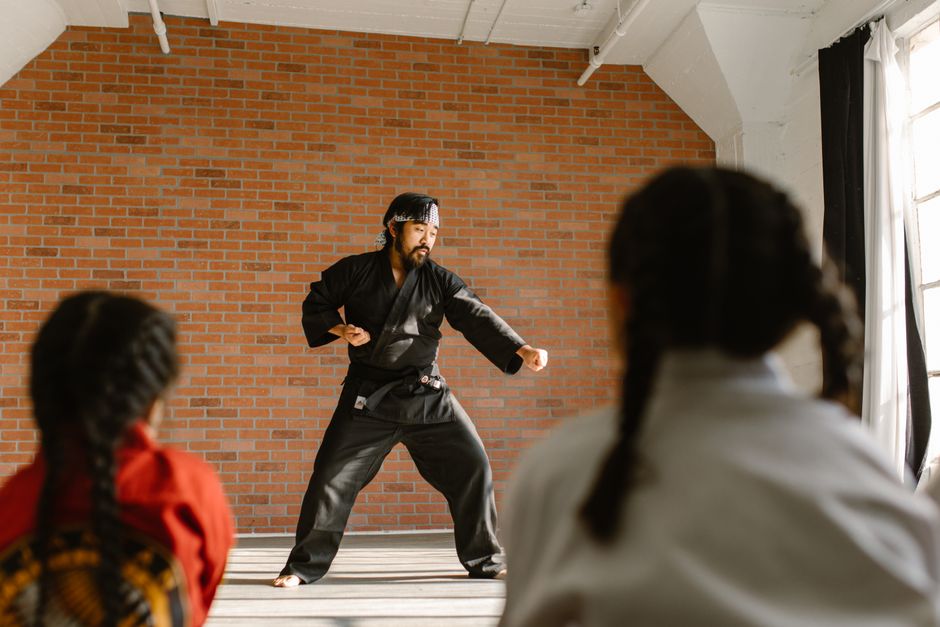
You can’t learn military fighting techniques from a single source. You need structured progression grounded in proven methodology.
Start with foundational grappling: Spend your first 3-6 months developing BJJ fundamentals. Learn basic positions: mount, guard, side control. Learn escapes and basic submissions. Grappling teaches you body awareness, leverage, and how to survive on your back. These fundamentals don’t change.
Layer in striking mechanics: Once you’re comfortable grappling, add boxing and basic striking. You don’t need to become a boxer, but you need to understand stance, guard, footwork, and how to generate power from your hips. Three days a week of dedicated striking work builds the muscle memory you need.
Study clinch work and transitions: The clinch range (distance where you’re close enough to grapple but not yet on the ground) is where most real fights happen. Train your transitions between striking distance, clinch range, and ground fighting. This is where military training diverges from sport martial arts. You’re not looking for the perfect takedown. You’re looking for the fastest way to gain control.
Build conditioning under fatigue: Technique fails when you’re exhausted. Military combatants train with specific conditioning protocols that build the cardiovascular capacity to execute technique when it matters. That means high-intensity interval work, combat-specific drills performed under fatigue, and repeating techniques until they’re automatic.
The structured pathway you need combines real instruction with serious study. That’s where US Kenpo Jujitsu’s training system provides value. The curriculum is built on military combatives principles, Bushido philosophy, and decades of combat-tested methodology. Printed books and video materials walk you through progression in a way that generic YouTube videos simply can’t match.
Self-Defense Considerations and Legal Reality
Learning military fighting techniques comes with responsibility. The techniques work. That’s the whole point. Which means understanding the legal and ethical framework around their use is non-negotiable.
Self-defense law varies by jurisdiction, but the core principle is consistent: you have the right to use reasonable force to protect yourself from immediate threat of harm. That means understanding when force is legally justified and when it crosses into criminal liability. A technique that’s appropriate in one scenario becomes assault in another.
Military personnel receive extensive instruction on rules of engagement and lawful force application. When you’re training in combatives, that same discipline applies. You learn the technique. You understand when it’s appropriate. You train with the mindset that this knowledge is a last resort, not a first choice.
Train to be competent. Train to be effective. But train with the clarity that real warriors operate within clear ethical frameworks. That’s what separates disciplined martial artists from reckless fighters.
Why Training Systems Matter More Than Random Technique Collection
You could spend years collecting random techniques from different sources and never develop real competence. Military fighting effectiveness comes from systematized training that builds progressively.
Random YouTube tutorials won’t give you that. Recreational gym memberships focused on fitness won’t give you that. What you need is a structured curriculum built on proven combat methodology, taught by instructors who understand how to develop real skill.
That’s why serious practitioners turn to specialized training systems. A comprehensive approach teaches you not just the techniques, but the principles behind them, the progression from basic to advanced, and the mental discipline required to execute under genuine pressure.
The investment in US Kenpo Jujitsu’s training materials isn’t just about learning techniques. It’s about building a framework for martial arts mastery grounded in military combat principles and Bushido philosophy. You’re not learning to win tournaments. You’re building competence and character that translates to every area of your life.
What Comes After You Learn the Basics
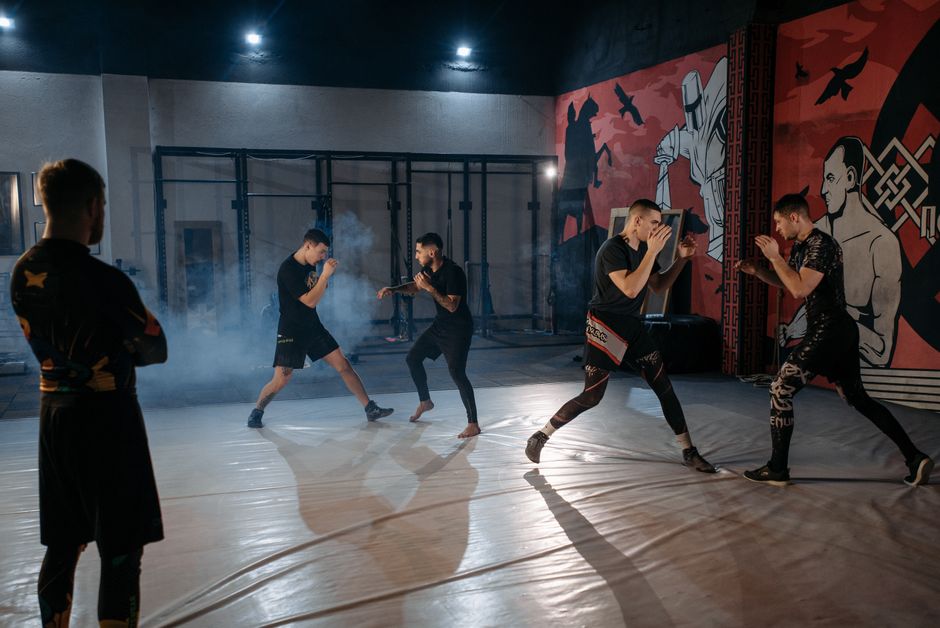
Once you’ve developed foundational competence, your training evolves.
You start recognizing patterns in how people move and respond. You begin transitioning more smoothly between positions. Your striking becomes sharper. Your grappling more efficient. You develop the ability to read a situation and respond appropriately at any distance.
This is where the philosophical side of training becomes crucial. Bushido principles emphasize discipline, honor, and continuous improvement. The warrior understands that mastery is a path without end. Each level of competence reveals new depths to explore.
Many military personnel continue cross-training throughout their careers. They supplement official training with BJJ gyms, striking coaches, and specialized instruction. The best fighters never stop learning because they understand that effectiveness depends on constant refinement.
As you progress, seek out instruction from people with real combat experience. Training with qualified instructors who’ve applied these techniques in actual high-stress situations changes everything. They teach you not just mechanics, but the context and timing that make techniques work reliably.
What’s the fastest way to learn military fighting techniques?
Immersion beats casual practice. Commit to training 4-6 days per week with qualified instruction. Prioritize foundational grappling first, then layer in striking and clinch work. A structured curriculum beats random technique collection by years of development time.
Do I need to join the military to learn these techniques?
No. Military combatives have been adapted for civilian training for decades. The principles remain the same whether you’re learning in a military context or a civilian martial arts setting. What matters is that your instruction is grounded in proven combat methodology, not marketing hype.
How long until I’m competent in military fighting techniques?
Meaningful competence typically takes 12-18 months of consistent training at 4+ sessions per week. Real skill depth takes years. But foundational understanding of distance management, basic grappling, striking mechanics, and transitions can be developed relatively quickly if you train deliberately and receive quality instruction.
Can military fighting techniques be used for self-defense legally?
Yes, provided you use appropriate force for the threat level and act within self-defense law. The techniques themselves are neutral tools. Legal application depends on your judgment about when force is justified. Training with an understanding of legal frameworks and ethical responsibility is essential.