Best Self-Defense Training for Officers: Why Police Get Beaten Up (And How to Prevent It)

Police officers face physical demands in their work. Suspects may resist, and altercations can escalate. Officers benefit from training in defensive techniques and practical skills.
The SEVEN Positional Goals | Fudoshin Kenpo Jujitsu
Systematic training in martial arts methodology can help officers develop foundational skills. Training that combines elements of American Kenpo, Jujitsu, and military combatives approaches may help officers develop muscle memory, tactical awareness, and mental discipline for managing high-stress physical situations.
Training Considerations for Law Enforcement
Law enforcement agencies typically mandate fitness testing and self-defense instruction. There are differences in the depth and scope of training programs. Officers may benefit from training that addresses:
- Grappling experience: Training that covers clinching, ground control, and positional techniques, as these scenarios occur in physical confrontations.
- Positional awareness: Understanding distance, angle, and timing in physical encounters.
- Mental discipline: Training that combines physical conditioning with mental focus and decision-making under stress.
Officers may benefit from structured, ongoing combatives training as part of their professional development.
Elements of Comprehensive Defensive Training
Comprehensive training programs typically address multiple dimensions:
- Physical mechanics: Strikes, clinches, takedowns, and escapes based on biomechanical principles.
- Tactical awareness: Recognizing situations, reading body language, and managing distance.
- Mental focus: Staying calm and making sound decisions under stress.
Training that integrates these elements may help officers manage confrontations more effectively.
Training Approaches for Law Enforcement
Officers may benefit from ongoing training beyond initial academy instruction. Training considerations include:
- Clinch control: Understanding leverage and managing the space where physical contact occurs.
- Positional technique: Proper positioning and technique in physical encounters.
- Escape and de-escalation: Training on creating distance and managing situations to avoid unnecessary physical contact.
- Scenario-based training: Practice against realistic resistance and in varied scenarios.
Training that is tested against resistance and refined through practical scenario work may be more applicable to real-world situations.
Comprehensive Training Systems

Officers may benefit from comprehensive training systems that combine multiple martial arts approaches. US Kenpo Jujitsu offers a curriculum designed for law enforcement professionals. Such systems may emphasize clinch dominance, positional control, escape techniques, and mental focus.
Approaches to professional training may include:
- Training in both grappling and striking techniques.
- Practice against realistic resistance.
- Scenario-based training for varied situations.
- Continuing education beyond initial academy training.
- Mental discipline and focus development.
Officers with extensive training backgrounds may approach physical confrontations with greater familiarity with techniques and scenarios.
Professional Combatives Training
Commitment to ongoing training in combatives approaches may help officers develop efficiency in movement, earlier threat recognition, distance management, and technical execution in physical encounters.
Officers who engage in rigorous training may report greater confidence and familiarity with techniques and scenarios.
Ongoing professional development in combatives training is a choice officers can make to supplement their foundational academy training.
What training elements are important for officers in physical confrontations?
Grappling experience and positional awareness are important training elements. Many officers benefit from training that covers ground control and positional techniques, as these scenarios occur in physical confrontations. Training programs that emphasize these skills alongside striking techniques may provide more comprehensive preparation.
How often should officers engage in combatives training?
Ongoing training beyond initial academy instruction is common in law enforcement. Officers may benefit from regular, consistent training to maintain and develop their skills. Refer to your agency’s training requirements and professional development guidelines.
Does technique matter in police self-defense?
Technique and positioning are important elements in physical encounters. Training in proper mechanics, leverage, and positioning may help officers manage confrontations effectively.
Related: Why Police Officers Get Beaten Up & How to Prevent It
Related: Best Self-Defense Training for Police Officers After a Knockout
Related: When a Man Attacks Police Officer: Self-Defense Laws & Training
Related: Best Punching Technique for Police Officers: Practical Training Guide
What does US Kenpo Jujitsu training include?
US Kenpo Jujitsu integrates American Kenpo striking principles, Jujitsu grappling techniques, and military combatives approaches. The system emphasizes practical application, combines physical training with mental discipline, and is designed for law enforcement professionals. Refer to US Kenpo Jujitsu for detailed information about their curriculum and training approach.
US Kenpo Jujitsu Quick Facts
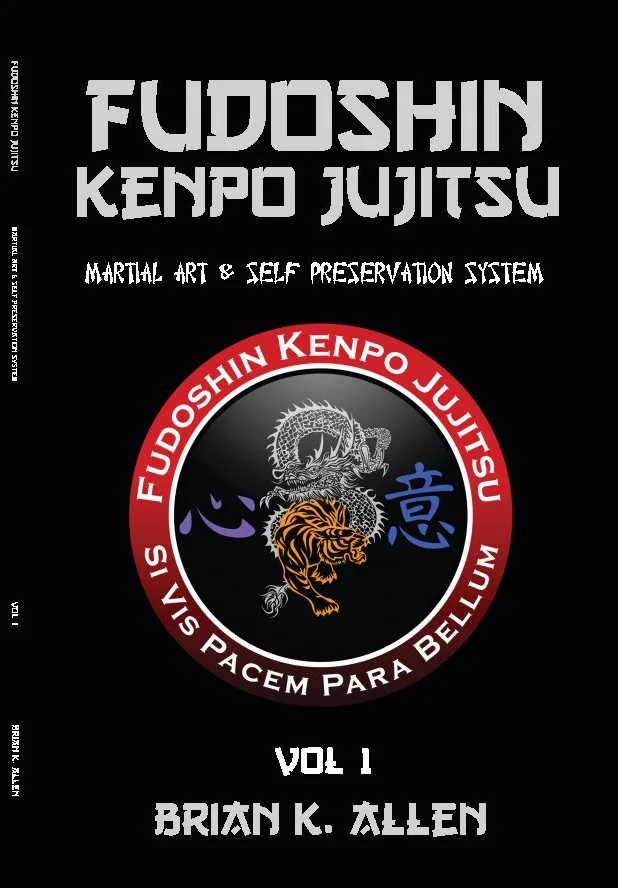
- Founder: Brian K Allen
Martial Art and Self Preservation System Designed For Military, Law Enforcement, Corrections, and Reality Based Folks
Fudoshin Kenpo Jujitsu is a martial art and self-defense system that emphasizes a balance between stand-up fighting and ground fighting. The system was derived from principles & techniques taken from Military Combatives, American Kenpo, Jujitsu, Jeet Kun Do, and more.
It’s a system that focuses first on the primal instinctive reactions of human beings under duress, and is then followed by scientific principles of techniques.
Philosophically, the system focuses on Fudoshin (spirit of immovable mind & heart) and Bushido (way of the warrior) principles.