Physical Attributes in Martial Arts: Train Your Body Right

Your physical attributes—your strength, muscle size, power, and overall build—aren’t fixed. They change based on how you train. If you’re serious about martial arts, self-defense, or combat readiness, understanding how to develop the physical attributes that matter is non-negotiable.
Where’s Their Weapon | Where’s Their Friend
Here’s the truth: physical attributes aren’t just about how you look. They’re about what your body can do. Can you generate real power in a strike? Can you maintain control during a grapple? Can you move explosively when it counts? These capabilities depend on deliberate, structured training.
At US Kenpo Jujitsu, we build physical attributes through proven resistance training, combat-specific conditioning, and warrior discipline. Let’s break down what actually works.
Related: Build Real Physical Condition Through Martial Arts Training
Related: Physical Restrictions in Martial Arts Training: How to Stay Active
Related: Build Physical Resilience Through Martial Arts Training
Related: Build Physical Capability Through Martial Arts Training
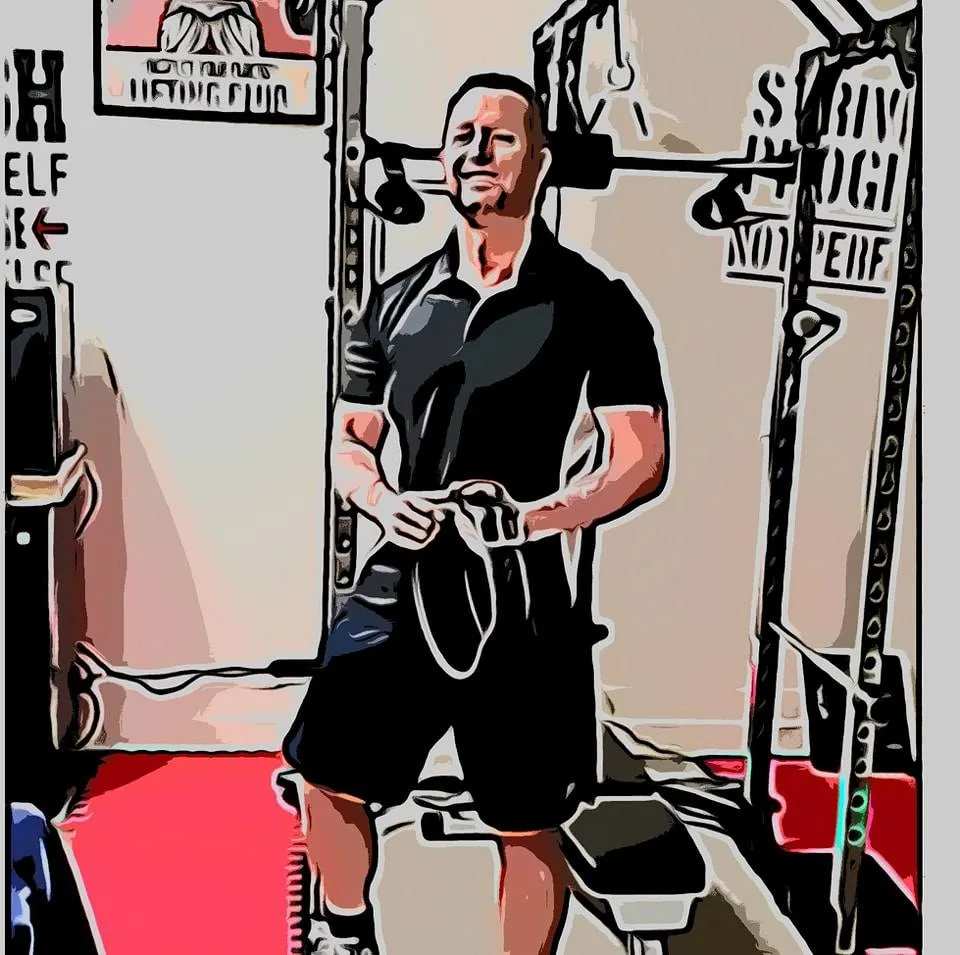
What Are Physical Attributes and Why They Matter in Combat
Physical attributes are the measurable qualities of your body: muscle strength, muscle size (hypertrophy), power output, contraction velocity, and gait speed. In plain terms—how strong you are, how fast you can move, how long you can sustain effort.
Related: Physical Qualities for Martial Arts: Build Strength & Power
Related: Physical Background for Martial Arts: What Fitness Level Do You Need?
Related: Physical Stability in Martial Arts: Build a Stronger Foundation
Related: Tenacious Defense in Martial Arts: Build Unbreakable Guard
Related: Strong Defense in Martial Arts: Build Unbreakable Protection
In martial arts and self-defense, these attributes directly determine your effectiveness. A stronger frame generates harder strikes. Faster muscle contraction means quicker reflexes. Better endurance means you can defend yourself when tired. These aren’t vanity metrics. They’re survival metrics.
The research is clear: resistance training produces significant improvements in muscle strength, muscle size, power, and contraction velocity. That’s not theory. That’s documented fact.
The Four Physical Attributes Every Martial Artist Should Develop
1. Muscle Strength and Size
Strength is foundational. It determines how much force you can apply in any technique—a punch, a takedown, a joint lock.
To build strength and size, you need progressive resistance training. That means lifting weights, bodyweight exercises, or resistance bands. You start with a weight that challenges you for 6-8 reps, then gradually increase the load over weeks.
Martial artists benefit from compound movements: squats, deadlifts, push-ups, rows, overhead presses. These exercises recruit multiple muscle groups and build functional strength you can actually use in combat.
2. Power and Contraction Velocity
Power is strength applied fast. It’s the difference between a slow push and an explosive strike.
Develop power through explosive movements: medicine ball throws, plyometrics, kettlebell swings, and striking drills against heavy bags or focus mitts. Train these movements with intent. Move as fast and hard as possible while maintaining control.
3. Endurance Capacity
Your attributes mean nothing if you’re gassed after 30 seconds. Endurance keeps your strength and power available when it matters.
Build endurance through interval training, circuit training, and extended grappling or striking sessions. Push your heart rate up, recover partially, then push again. This trains your body to maintain performance under fatigue.
4. Balance and Gait Speed
Balance determines whether you stay on your feet during a confrontation. Gait speed affects your ability to close distance or escape.
Develop these through stance work, footwork drills, and single-leg exercises. Practice moving in all directions—forward, backward, lateral, rotational. Train on unstable surfaces occasionally to strengthen stabilizer muscles.
How to Train Physical Attributes: The Evidence-Based Approach
Research shows that resistance training produces superior results compared to no training at all. That’s obvious, but here’s what matters: consistency beats intensity.
Train 3-4 times per week. Each session should include strength work (compound lifts), power development (explosive movements), and conditioning (cardiovascular or metabolic stress). Rest matters too—your muscles grow during recovery, not during the workout.
Track your progress. This is where wearable technology becomes useful. Heart rate monitors, strength tracking apps, and movement sensors help you measure improvements in your physical attributes objectively. You can’t improve what you don’t measure.
The systems taught through US Kenpo Jujitsu blend this scientific approach with martial philosophy. You’re not just building muscle. You’re developing the physical foundation of a warrior.
Nutrition and Recovery: The Hidden Lever
Your training stimulus is only half the battle. Without proper nutrition and recovery, your physical attributes won’t improve.
Eat enough protein—roughly 0.7-1 gram per pound of bodyweight daily. Your muscles need amino acids to rebuild stronger. Eat enough carbs and fats too. Carbs fuel your workouts. Fats support hormone production.
Sleep 7-9 hours per night. Growth hormone spikes during deep sleep. If you’re not sleeping, you’re not recovering, and you’re not building.
Manage stress. Chronic stress elevates cortisol, which breaks down muscle tissue. Train hard, but also recover intentionally. Meditation, breathwork, and time away from intensity all support physical development.
Common Mistakes That Kill Physical Attribute Development
Most people train inconsistently. They hit it hard for two weeks, then drop off. Your body adapts to consistent stimulus over months and years, not weeks.
Others chase novelty. New workouts every week sound fun, but your muscles need time to adapt to a training stimulus. Stick with proven movements for 4-8 weeks before changing.
Many ignore nutrition. You can’t build muscle in a caloric deficit. You can’t build strength without fuel. Training without eating enough is just suffering without results.
Finally, people neglect one attribute at the expense of others. You need strength AND power AND endurance AND balance. A balanced approach beats extremes.
If you’re serious about developing your physical attributes for martial arts and self-defense, the philosophical and practical framework taught through US Kenpo Jujitsu integrates all these elements. You train the body, the mind, and the spirit as one system.
Your Physical Attributes Are a Choice, Not a Ceiling
Here’s the reality: your genetics set a range, but your training sets where you land within that range. Two people with identical genetics will have completely different physical attributes based on how they train.
That means you have control. You’re not stuck. Over the next 90 days of consistent, evidence-based training, you will measurably improve your strength, muscle size, power, and endurance.
The question isn’t whether change is possible. It is. The question is whether you’re willing to do the work. Martial arts training demands it. Self-defense readiness demands it. Becoming the person you’re capable of being demands it.
Start now. Train consistently. Measure progress. Recover intentently. Your physical attributes will follow.
What physical attributes matter most in self-defense?
Strength, power, and endurance are the top three. Strength lets you apply techniques with authority. Power lets you generate force explosively. Endurance keeps you capable when the confrontation extends. Balance matters too—you can’t defend yourself if you’re on the ground.
How long does it take to see changes in physical attributes?
You’ll feel stronger in 2-3 weeks. Visible muscle growth takes 4-8 weeks depending on your starting point and training intensity. Measurable power and endurance improvements also appear within 4-6 weeks of consistent training.
Can I develop physical attributes with bodyweight training alone?
Yes. Push-ups, pull-ups, squats, lunges, and handstand work all build strength and muscle. You’ll eventually plateau without added resistance, but bodyweight training is an excellent foundation, especially for mobility and control required in martial arts.
Should I focus on one physical attribute at a time?
No. Train all four—strength, power, endurance, and balance—in every training week. This creates balanced physical development and prevents injury. A martial artist with only strength but no endurance collapses under fatigue.
US Kenpo Jujitsu Quick Facts
- Founder: Brian K Allen
Martial Art and Self Preservation System Designed For Military, Law Enforcement, Corrections, and Reality Based Folks
Fudoshin Kenpo Jujitsu is a martial art and self-defense system that emphasizes a balance between stand-up fighting and ground fighting. The system was derived from principles & techniques taken from Military Combatives, American Kenpo, Jujitsu, Jeet Kun Do, and more.
It’s a system that focuses first on the primal instinctive reactions of human beings under duress, and is then followed by scientific principles of techniques.
Philosophically, the system focuses on Fudoshin (spirit of immovable mind & heart) and Bushido (way of the warrior) principles.