Immovable Mind Martial Arts Philosophy: Master Fudōshin
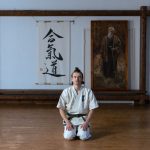
The immovable mind, known as fudōshin (不動心) in Japanese martial arts, is exactly what it sounds like: a mental state where you stay calm, focused, and in control no matter what’s happening around you.
Triangle of Victimization | Fudoshin Kenpo Jujitsu
It’s not about being a robot. It’s about training your awareness so that distractions, fear, and emotional reactions don’t pull you off balance. When someone throws a strike at you—or when life throws a curveball—your mind registers it, responds to it, and keeps functioning.
This concept comes straight from Zen Buddhism and warrior philosophy, and it’s foundational to advanced martial arts training. If you’re serious about combat effectiveness or building real mental resilience, understanding fudōshin changes everything.
What Exactly Is an Immovable Mind?
Let’s be clear: “immovable” doesn’t mean frozen or tense. A rigid mind is actually the opposite of what you want.
Fudōshin means your awareness stays present and free. You can feel contact from an opponent, register environmental threats, experience emotion—but none of it “drags” your mind away from your center. Your mental focus stays anchored.
Think of it like a boat in rough water. The boat moves with the waves, but it’s not at their mercy. The anchor keeps it from drifting. That anchor is your immovable mind.
A Zen master named Takuan wrote about this extensively for warriors centuries ago. He explained that the mind should be like water—it flows and adapts, but it’s never shaken by what flows through it. That’s fudōshin in action.
Why Your Mind Gets Moved in the First Place
Before you can build an immovable mind, you need to understand why your mind gets “moved” so easily.
In a real fight or high-stress situation, your nervous system triggers a cascade of responses. Adrenaline floods your system. Your attention narrows or scatters wildly. Fear takes over. You react instead of respond.
Outside of combat, the same thing happens in everyday life. A work crisis hits and you panic. Someone disrespects you and anger floods your system. Bad news comes and anxiety paralyzes you. Your mind gets dragged in whatever direction the stimulus pulls it.
The problem isn’t that you feel these things. The problem is that your awareness gets pinned to the emotion or the threat. You lose the freedom to choose your response.
Research in stress physiology and emotional regulation shows that this loss of cognitive control under pressure is universal—but it’s also trainable. You can develop how your nervous system responds to threat and chaos.
The Three Pillars of Fudōshin Training
Building an immovable mind isn’t mystical. It’s systematic mental training combined with physical practice. Here’s how US Kenpo Jujitsu and similar combat-rooted systems approach it.

1. Awareness Without Attachment
Your job is to train yourself to notice threats, contact, and stimuli without being grabbed by them emotionally or mentally.
In training, this means practicing drills where strikes come at you, contact happens, and you learn to register it and respond—without flinching, tensing up, or freezing. Your mind sees it and moves through it.
In life, this translates to witnessing your own fear or anger as information rather than commands. You feel the emotion, you acknowledge it, but you’re not controlled by it.
2. Mental Equilibrium Under Pressure
Fudōshin isn’t developed in calm, comfortable conditions. It’s developed when things get intense.
Advanced martial training puts you in situations where you’re tired, being attacked, and forced to make split-second decisions. You learn that your mind can stay balanced even when your body is under extreme stress.
Related: Best Martial Arts for Offense-Defense Balance 2026: Top 5 Systems Ranked
This transfers to life. When you’ve trained your mind under real physical pressure, a tough conversation or business decision doesn’t shake you the same way.
3. Continuous Presence
The immovable mind is a present mind. It’s not lost in fear about what might happen next. It’s not replaying what just happened.
You train this through mindful, focused practice. Every repetition of a technique, every sparring round, every drill is an opportunity to keep your attention exactly where it needs to be—now.
How to Develop an Immovable Mind in Training
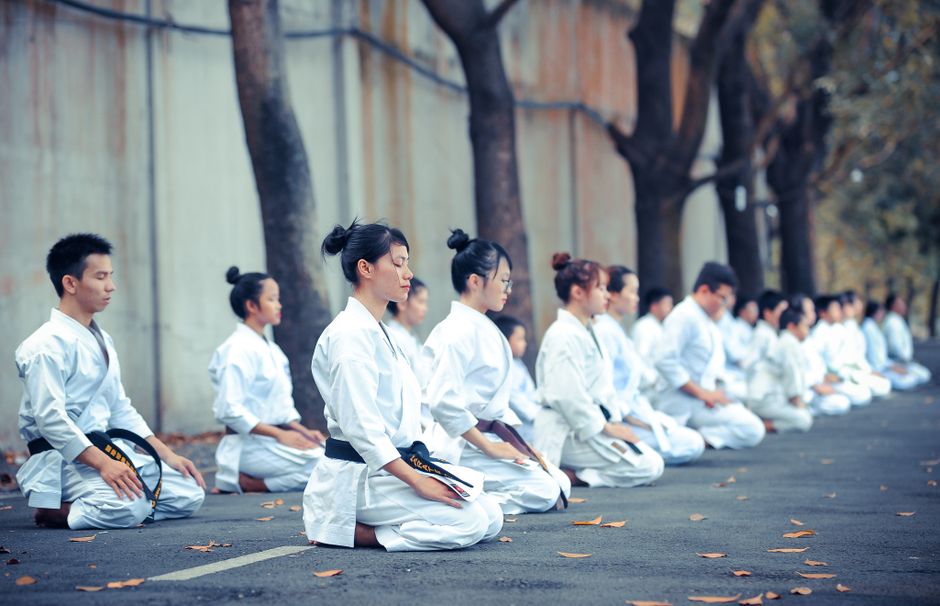
If you want to build fudōshin, you need to practice it. Here’s the practical approach.
Start With Resistance Training
Practice techniques against real resistance. Not full-power sparring necessarily, but real contact and feedback. Your body and mind learn how to function when being pushed, held, or struck.
This is why systems that emphasize practical combatives with live drilling are effective for developing mental resilience. Your mind gets comfortable with discomfort.
Increase the Pressure Gradually
Don’t jump from no resistance straight to full-intensity sparring. Build it gradually. More resistance, faster pace, more unpredictability, more fatigue.
Each level teaches your mind to stay calm when conditions get harder. Over months and years, you develop genuine mental clarity.
Practice Breathing and Mental Anchors
Controlled breathing is your fastest tool for preventing your mind from being moved.
When you feel panic or anger starting to take over, slow your breathing. Focus on exhales. Keep breathing even under physical exertion. This single practice can support your nervous system response.
Many warriors and martial artists also use a mental anchor—a word, phrase, or image that brings focus back instantly. “Now.” “Center.” “Flow.” Whatever works for your mind.
Related: Physical Restrictions in Martial Arts Training: How to Stay Active
Immovable Mind Beyond Combat
Here’s the truth: fudōshin isn’t just for fighters. It’s a universal principle of mental resilience that applies to any high-pressure situation.
Business leaders, athletes, emergency responders, and anyone facing repeated stress can benefit from this training. The mechanism is identical—your mind learns to stay present and functional instead of getting hijacked by emotion or distraction.
When you’ve spent months training under physical pressure to keep your mind immovable, a difficult negotiation or personal crisis doesn’t derail you. Your nervous system has already learned the pattern.
This is why serious martial arts training builds character alongside combat skill. You’re not just learning to throw a punch or escape a hold. You’re developing how your brain handles threat, pressure, and chaos.
Building This Into Your Daily Practice
You don’t need to be a martial artist to develop an immovable mind, but martial training is the most direct path. US Kenpo Jujitsu emphasizes this mental component alongside physical technique because the two are inseparable.
Whether you’re training in martial arts or building mental resilience through other means, the principle is the same: expose yourself to manageable stress, keep your awareness anchored in the present, regulate your nervous system through breath and focus, and repeat until it becomes automatic.
Related: Build Physical Resilience Through Martial Arts Training
Start small. Practice being fully present during difficult moments. Notice when your mind gets dragged by fear or anger, and gently bring it back to now. That’s the beginning of fudōshin.
The Philosophical Foundation of Fudōshin

Understanding where this concept comes from adds depth to why it works.
In Zen Buddhism, there’s a principle that the mind should move freely like water—responsive but never stuck. Takuan, a 17th-century Zen master, wrote specifically about how this applied to warriors in combat. He called it the “sword of no-sword”—a mental state where you respond to threats without hesitation or fear freezing you.
This wasn’t just spiritual philosophy. It was practical training for samurai and warriors who understood that mental clarity in combat determines survival.
Fast-forward to modern martial arts systems—from American Kenpo to Jujitsu to military combatives—and this same principle remains foundational. The terminology changes, but the core concept is identical: build a mind that stays centered no matter what.
If you’re interested in the deeper philosophical framework, exploring how Bushido principles and warrior philosophy integrate with practical combat training is incredibly rewarding.
Common Mistakes When Building Fudōshin
Most people trying to develop an immovable mind make one of these mistakes.
Mistake 1: Thinking it means suppressing emotion. It doesn’t. You still feel fear, anger, and adrenaline. You just don’t let those feelings control your mind.
Mistake 2: Trying to force it through mental will alone. Fudōshin develops through repeated physical and mental practice under pressure. You can’t think your way there. You have to train your way there.
Mistake 3: Expecting it to happen quickly. Building true mental resilience takes months and years of consistent training. There’s no shortcut. But the results compound over time.
Mistake 4: Not combining physical and mental training. You can meditate and do breathing exercises, and those help. But the fastest path to an immovable mind is martial training where your mind gets tested under real physical stress.
What’s the Difference Between Fudōshin and Just “Being Calm”?
Being calm can be passive. You’re not stressed, so you feel okay. But the moment something activates your nervous system, that calmness evaporates.
Fudōshin is active mental clarity under pressure. Your mind stays sharp and present even when threat, pain, or urgency is happening. That’s the difference, and it’s significant.
Can You Develop an Immovable Mind Without Martial Arts?
Technically yes—through meditation, breathwork, and high-stress professional training (military, law enforcement, surgery). But martial arts is an efficient path because it combines physical stress, mental challenge, real-world response training, and progressive pressure all in one system.
How Long Does It Take to Develop Fudōshin?
You may notice shifts in your mental clarity within weeks of consistent training. But fudōshin—where your mind stays immovable in genuinely demanding or high-stress situations—takes months and years of dedicated practice. Most serious practitioners spend a lifetime developing it.
Is Fudōshin the Same as Flow State?
They’re related but not identical. Flow state is absorption in an activity where you lose self-consciousness. Fudōshin is presence and clarity while staying fully aware of yourself and your environment. In martial arts, you often experience both simultaneously—that’s peak performance.
US Kenpo Jujitsu Quick Facts
- Founder: Brian K Allen
Martial Art and Self Preservation System Designed For Military, Law Enforcement, Corrections, and Reality Based Folks
Fudoshin Kenpo Jujitsu is a martial art and self-defense system that emphasizes a balance between stand-up fighting and ground fighting. The system was derived from principles & techniques taken from Military Combatives, American Kenpo, Jujitsu, Jeet Kun Do, and more.
It’s a system that focuses first on the primal instinctive reactions of human beings under duress, and is then followed by scientific principles of techniques.
Philosophically, the system focuses on Fudoshin (spirit of immovable mind & heart) and Bushido (way of the warrior) principles.