Best Martial Arts for Primal Fighting Instincts

You already have primal fighting instincts wired into you. The question isn’t whether they exist, but whether you’ve trained them to work when it matters.
Introduction To Our System
Most martial arts programs teach technique in isolation, divorced from real pressure and genuine combat application. They’re built for tournaments and belt promotions, not for the moment when you actually need to protect yourself or perform under stress. US Kenpo Jujitsu takes a different approach: a system grounded in military combatives and Bushido philosophy that trains your primal instincts alongside technical skill.
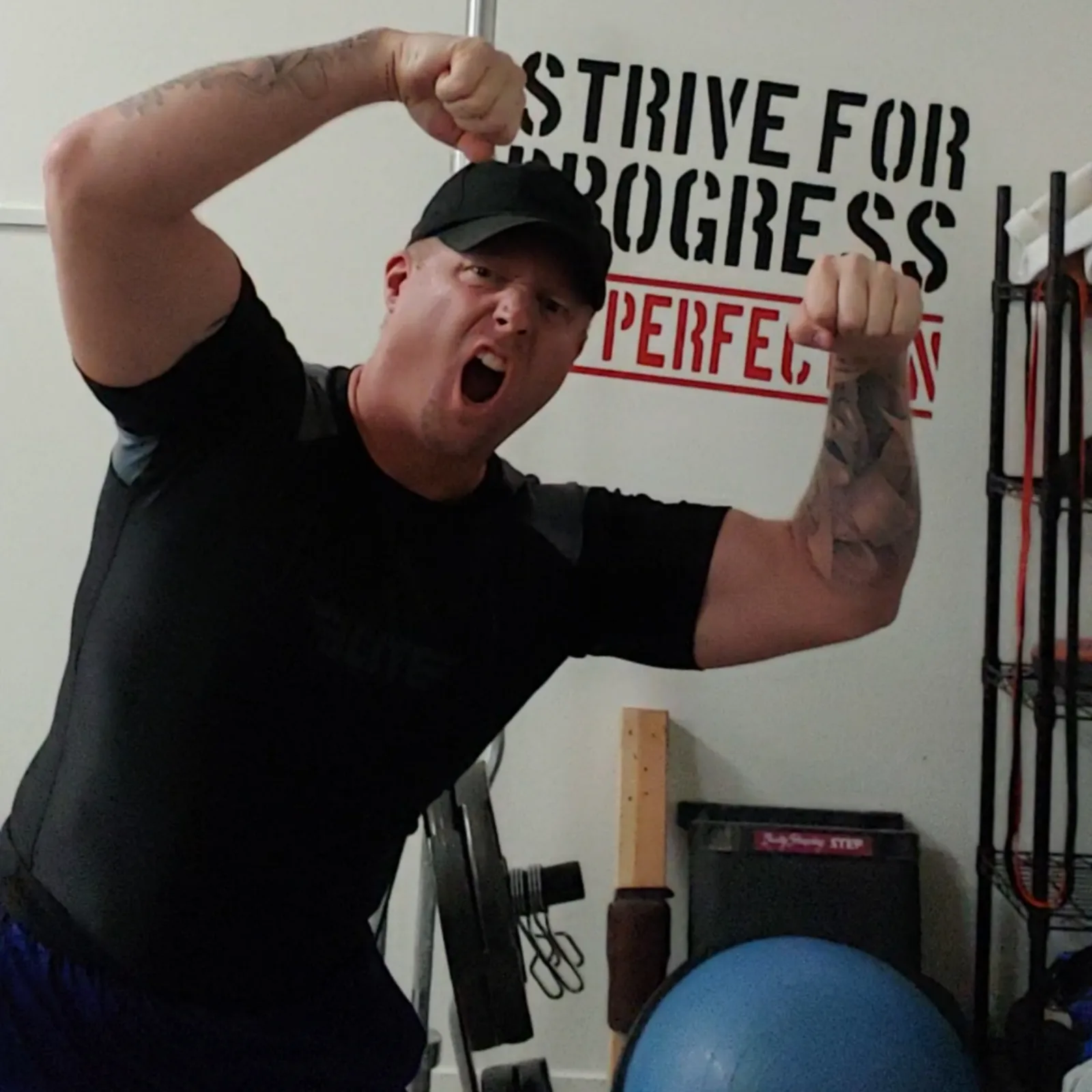
If you’re serious about awakening and channeling your defensive aggression into real combat effectiveness, here’s what actually works.
What Are Primal Fighting Instincts in Martial Arts?
Primal fighting instincts aren’t mystical or supernatural. They’re your nervous system’s hard-wired response to threat. They include defensive aggression, territorial awareness, balance management, and the ability to act decisively under extreme pressure.
Related: Physical Restrictions in Martial Arts Training: How to Stay Active
Related: Immovable Mind Martial Arts Philosophy: Master Fudōshin
Some people have stronger natural inclination toward fighting than others, shaped by individual psychology and life experience. But this isn’t fixed. Training shapes it. A solid martial arts system doesn’t ask you to ignore your instincts or suppress them. Instead, it channels them into functional, pressure-tested responses that actually work in combat.
The core of primal fighting instincts includes:
- Defensive aggression: Your ability to respond with force when threatened, including vocalizations and explosive movement
- Balance awareness: The instinct to maintain your own stability while disrupting your opponent’s
- Posture control: Managing your body position to stay safe and maintain leverage advantage
- Pressure management: Your psychological and physical ability to stay calm and effective when the stakes are high
- Fight dictation: Comfort and confidence under stress that lets you control what happens next
Why Technique Alone Doesn’t Build Primal Fighting Instincts
You can memorize a thousand techniques and still freeze when real pressure arrives. This is the gap between knowing and doing.
Most traditional martial arts training teaches movement patterns, combinations, and form. These have value. But they miss the psychological and nervous system adaptation that separates an effective fighter from someone who looks good on the mat.
Real primal fighting instincts develop through pressure-tested training. Your body and mind need to experience realistic stress, make decisions under that stress, and build confidence in your ability to function. This is why military combatives systems and structured self-defense programs approach training differently from sport-focused approaches. They’re designed for application in high-stakes situations, not competition scoring.
Functional, pressure-tested training is considered essential by many practitioners. Technique alone is insufficient. You need both technical skill and the mental adaptation that comes from training your nervous system to stay effective when everything feels urgent and chaotic.
The Core Components of Primal Fighting Instinct Training
A martial arts system built for primal instinct development includes several key elements:
Balance disruption becomes your foundation. Breaking an opponent’s balance gives you control advantage without requiring strength or size superiority. When you master balance disruption, you’re fighting smarter, not harder.
Posture management comes next. How you position your body determines whether you have leverage, whether you can generate power, and whether you’re vulnerable. A strong martial arts system teaches you to control your own posture first, then use that control to manipulate your opponent’s position.
Pressure exposure is a key training component. You need to experience realistic stress in a controlled environment. Drills against compliant partners are useful for learning, but they differ from progressive pressure training and scenario work. Many practitioners find that stress inoculation approaches help develop genuine primal instinct response.
Defensive vocalizations are part of your defensive response mechanism. Animal-like yelling and vocalizations can generate power, signal intent, and activate your sympathetic nervous system. A complete system teaches you how and when to use them.
Mental discipline is an important component of martial arts training. Primal instincts are powerful, but untrained aggression is chaotic. Bushido philosophy and warrior principles teach you to channel aggression with purpose, clarity, and honor. This transforms raw instinct into disciplined combat effectiveness.
How Martial Arts Training Develops Problem-Solving Under Pressure
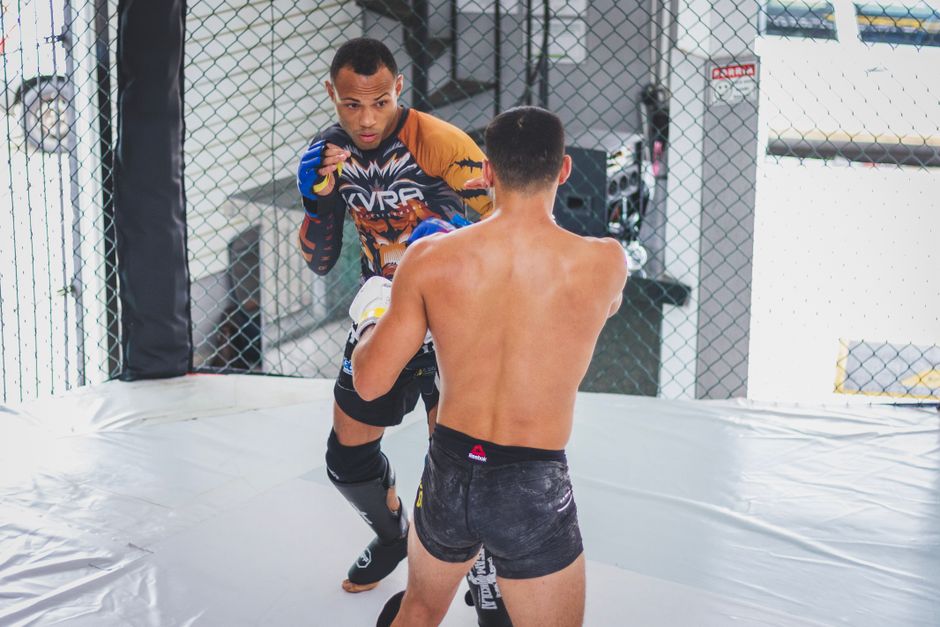
Here’s something most people overlook: the skills you build in combat training can transfer to life challenges beyond fighting.
When you train your nervous system to stay effective under physical pressure, you may develop psychological resilience that shows up in other areas. Many practitioners report making clearer decisions when stakes are high, staying calm when others panic, thinking faster under stress, and managing fear more effectively.
This is why military personnel and law enforcement professionals value structured martial arts training. The combat principles you learn in the gym can become principles for managing any high-stakes situation. Balance, positioning, pressure management, and clear action are concepts that apply across different contexts.
When you work with US Kenpo Jujitsu materials and training systems, you’re learning to fight and building character through combat principles.
Building Comfort Under Stress and Fight Control
Dictating a fight requires comfort under stress. This sounds paradoxical, but it’s true. The fighter who stays calm and composed controls what happens next. The fighter who’s reactive and panicked becomes a victim.
Building this comfort takes deliberate training. Progressive pressure exposure, scenario-based drills, and philosophical grounding in warrior principles all contribute. You need to experience realistic engagement enough times that high-intensity situations stop triggering panic and start triggering clear, decisive action.
This is where a well-designed martial arts curriculum can make a difference. Recreational training differs from systems built around real combat application, taught by instructors who understand both technique and the psychology of pressure performance.
Systems that blend military combatives, technical martial arts like American Kenpo and Jujitsu, and Bushido philosophy create this foundation. They teach you not just how to fight, but how to think like a fighter. How to stay in control of yourself so you can control situations.
Choosing a Training System That Awakens Your Primal Fighting Instincts
When you’re evaluating a martial arts system, look for these qualities:
- Does it teach real-world self-defense and combat application, not just sport technique?
- Does it include pressure-tested training and realistic scenario work?
- Does it combine technical skill with psychological and philosophical training?
- Is it grounded in proven combat principles, like military combatives or law enforcement training?
- Does it teach posture control, balance disruption, and pressure management as foundational skills?
- Does it develop mental discipline and decisiveness, not just muscle memory?
Many systems use structured curricula that progress you methodically from fundamentals through advanced application. US Kenpo Jujitsu offers printed books, videos, and audio materials that teach an integrated approach. You get technical instruction rooted in real combat effectiveness, combined with Bushido wisdom that builds character alongside skill.
If you want to train your primal fighting instincts, you need a system that respects both the physical and psychological dimensions of combat. One that’s been tested in real conditions and refined by instructors who understand what actually works when pressure arrives.
How do I develop defensive aggression?
Defensive aggression is trained through progressive exposure to realistic pressure in a controlled environment. Start with technical drills and forms to build foundational skill. Progress to drills against resistant partners, then scenario-based training where you respond to genuine engagement. As your comfort and competence grow, you learn to channel aggression with clarity and control. The key is consistency and gradual progression.
Can primal fighting instincts be learned, or are they innate?
Both. Some people have stronger natural inclination toward fighting based on individual psychology and life experience. But primal instincts can be developed and refined through proper training. Consistent exposure to realistic pressure, technical skill-building, and psychological conditioning all amplify your natural instincts and make them functional under stress. Training shapes what nature provides.
What’s the difference between sport martial arts and combat-focused training?
Sport martial arts emphasize techniques that work within tournament rules and scoring systems. Combat-focused training emphasizes techniques that work in real self-defense and high-pressure situations. Combat systems prioritize functional technique under realistic pressure, posture control, balance disruption, and the psychological resilience needed to stay effective when stakes are genuine. Both teach valuable skills, but they develop different priorities.
How long does it take to develop primal fighting instincts?
This depends on your starting point, training frequency, and how effectively your system teaches pressure-tested techniques. Most practitioners see meaningful progress in posture control and balance management within weeks. Comfort under pressure typically develops over months of consistent training. Mastery is ongoing. The key is choosing a system designed for real combat application and training with consistency and intention.
US Kenpo Jujitsu Quick Facts
- Founder: Brian K Allen
Martial Art and Self Preservation System Designed For Military, Law Enforcement, Corrections, and Reality Based Folks
Fudoshin Kenpo Jujitsu is a martial art and self-defense system that emphasizes a balance between stand-up fighting and ground fighting. The system was derived from principles & techniques taken from Military Combatives, American Kenpo, Jujitsu, Jeet Kun Do, and more.
It’s a system that focuses first on the primal instinctive reactions of human beings under duress, and is then followed by scientific principles of techniques.
Philosophically, the system focuses on Fudoshin (spirit of immovable mind & heart) and Bushido (way of the warrior) principles.