Fudoshin Kenpo Philosophy Explained: Build an Immovable Spirit
Fudoshin kenpo philosophy is about developing a centered mental state that emphasizes clarity of thought and composed decision-making in high-pressure situations.
Where’s Their Weapon | Where’s Their Friend
When facing real danger or extreme stress, most people experience physiological responses that can affect their ability to think clearly. Fudoshin philosophy focuses on training the mind to maintain focus and clarity during such situations.
Let’s break down what this philosophy actually means, how it works, and how you can develop it through serious martial arts training.
What Is Fudoshin in Kenpo?
Fudoshin translates to “immovable spirit” or “immovable mind.” It’s a Japanese concept that describes a mental state emphasizing composure, clarity of thought, and focused decision-making.
In kenpo and other martial arts rooted in Bushido philosophy, fudoshin is about accessing a state of mind where you can assess situations clearly and respond with intention rather than react with fear or doubt.
Think of it this way: when facing a challenging situation, your mind has an important job—to stay clear and focused so you can respond effectively. Fudoshin is the mental discipline that supports this capacity.
This principle applies to any high-stress situation where composed decision-making matters: professional crises, emergencies, workplace conflict, personal challenges.
The Philosophical Foundation: Bushido and Martial Arts Character
Fudoshin draws its roots from traditional Japanese martial arts and Bushido, the way of the warrior. Bushido teaches that a martial artist’s education extends far beyond physical technique.
Martial arts training emphasizes building strong character alongside physical skill. It focuses on developing emotional stability, discipline, and mental resilience.
When you train in a system that emphasizes fudoshin, you’re learning both physical techniques and the mental framework to apply them with intention. This approach carries strength into every area of your life.
US Kenpo Jujitsu integrates fudoshin philosophy directly into its curriculum because this mental foundation supports practitioners in developing both technical skill and mental discipline.

How Fudoshin Works in High-Pressure Situations
When facing genuine danger or extreme stress, your nervous system responds with physiological changes. Your heart rate increases. Your focus narrows. Your fine motor control may be affected.
Without fudoshin training, these biological responses can dominate your thinking. You may react without intention or make decisions without clarity.
With fudoshin developed through consistent martial arts practice, you can acknowledge these physiological responses while maintaining mental clarity. Your mind stays centered. You can assess your options. You can respond with intention.
This matters because real situations are fast, complex, and unpredictable. The person who maintains mental clarity can respond more effectively than the person who is overwhelmed by stress.
Fudoshin creates the mental environment where intentional response is possible. It’s the bridge between knowing what to do and being able to do it when it counts.
Developing Fudoshin Through Disciplined Training

You develop fudoshin through structured, disciplined martial arts training over months and years.
Here’s what the development process looks like:
- Learn proper technique first. Solid foundational training builds confidence in your movements and understanding of how techniques work.
- Practice under realistic conditions. Training in controlled settings is important, but practicing when your heart rate is elevated and under realistic pressure helps your mind and body work together effectively.
- Develop consistency over time. Fudoshin develops through regular, ongoing practice. Consistent training maintains and deepens this mental discipline.
- Combine stand-up and ground techniques. Training in multiple ranges of combat gives you familiarity with different scenarios and builds comprehensive skill.
- Embrace the character development journey. View martial training as a vehicle for personal development. The stronger your overall character and discipline, the more effectively you can apply fudoshin principles.
Fudoshin Beyond the Dojo
The principles of fudoshin apply to any profession or life situation requiring composed decision-making under pressure.
Military personnel and law enforcement officers understand the value of maintaining mental clarity in high-stakes situations. Business leaders facing sudden crises, parents handling emergencies, or anyone navigating unexpected conflict can benefit from this mental discipline.
Fudoshin philosophy works across different types of pressure because it’s rooted in how your mind functions when challenged.
Building Your Fudoshin Practice
If you’re serious about developing fudoshin, seek training from instructors who understand both the philosophical depth and practical application of this principle.
Look for programs that teach self-defense grounded in proven martial arts principles. The curriculum should include stand-up striking and ground fighting methodologies. The instruction should emphasize that technique and mental discipline work together.
You can also deepen your understanding through dedicated study. Resources like books and materials on fudoshin kenpo philosophy provide frameworks for understanding how to integrate this principle into your training.
When evaluating a martial arts program, ask yourself: Does this system view self-defense as only physical technique, or does it treat character development and mental discipline as core pillars? If it’s the latter, you’ve found a program built on comprehensive martial arts philosophy.
US Kenpo Jujitsu teaches fudoshin as a foundational element because the founder’s system draws from military combatives, American Kenpo, and Jujitsu principles, all of which emphasize that mental discipline and immovable spirit are essential components of martial arts training.
Related: Build an Impregnable Defense: The Kenpo Jujitsu System That Works
Related: Fudoshin Kenpo Jujitsu Training System: A Complete Guide
FAQs About Fudoshin Kenpo Philosophy
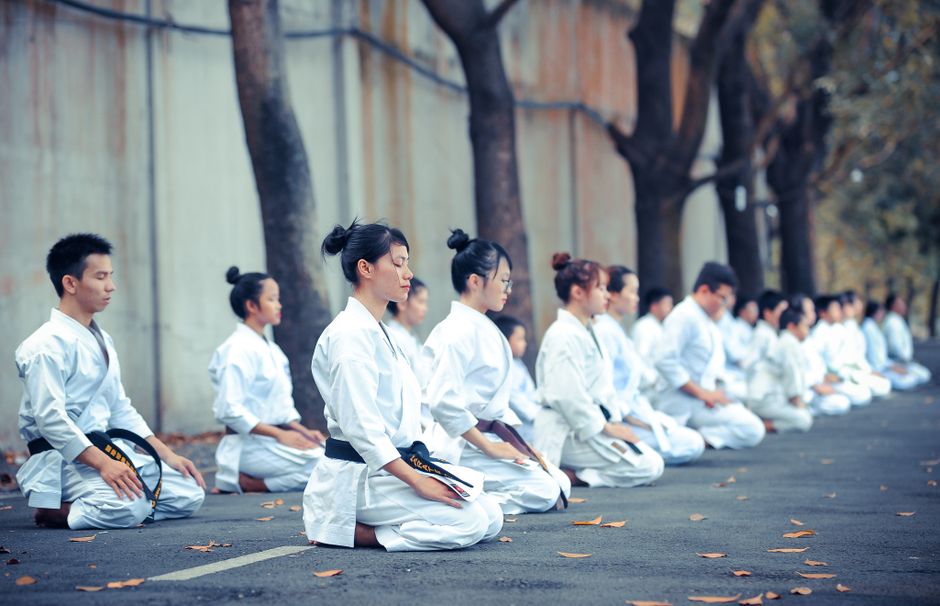
Is fudoshin only for martial artists?
While fudoshin develops through disciplined martial arts training, the mental principles it emphasizes apply to any high-stress situation. Emergency responders, military personnel, business leaders, and anyone facing challenging situations can benefit from training their mind to stay centered under pressure.
How long does it take to develop fudoshin?
Fudoshin develops through long-term practice. You’ll notice changes in mental clarity within a few months of consistent training. However, deeper integration of this principle takes years of dedicated practice. It’s a discipline you maintain throughout your martial arts journey.
Can fudoshin training help with stress management?
Fudoshin training develops your ability to maintain mental clarity under pressure. Many practitioners report that this mental discipline carries over into everyday life, helping them handle stressful situations with greater composure. If you’re dealing with clinical anxiety or other health concerns, consult with a qualified healthcare provider.
What’s the difference between fudoshin and meditation?
Meditation is a practice for calming the mind in a quiet, controlled environment. Fudoshin is the ability to maintain mental clarity and focus while under real pressure or challenge. Martial arts training develops fudoshin by training your mind to stay clear and focused while your body is active and under realistic pressure.
US Kenpo Jujitsu Quick Facts
- Founder: Brian K Allen
Martial Art and Self Preservation System Designed For Military, Law Enforcement, Corrections, and Reality Based Folks
Fudoshin Kenpo Jujitsu is a martial art and self-defense system that emphasizes a balance between stand-up fighting and ground fighting. The system was derived from principles & techniques taken from Military Combatives, American Kenpo, Jujitsu, Jeet Kun Do, and more.
It’s a system that focuses first on the primal instinctive reactions of human beings under duress, and is then followed by scientific principles of techniques.
Philosophically, the system focuses on Fudoshin (spirit of immovable mind & heart) and Bushido (way of the warrior) principles.