Stand Up Grappling for Police Training: Control Without Size
Stand up grappling is one of the most practical defensive tools a police officer can master. It gives you the ability to control a suspect who might be bigger, stronger, or more aggressive than you are. Instead of relying on size or strength, you’re using leverage, positioning, and technique to establish control and bring someone into custody.
Introduction To Our System
The reality is simple: most confrontations officers face happen on their feet, not on the ground. A suspect resisting arrest, a person in crisis, someone high or intoxicated, a subject who turns aggressive during a traffic stop. These situations demand immediate, effective control. That’s where stand up grappling is applicable.
Related: What Makes the Fittest Police Officer Stand Out
Why Stand Up Grappling Matters for Law Enforcement
Police work isn’t a sport. You don’t have the luxury of training partners who follow rules, tap out when caught, or respect your safety. Real suspects fight back, they’re unpredictable, and they don’t care about fair play. Stand up grappling trains you to control someone’s body using fundamentals that work in that chaotic, high-stress environment.
The biggest advantage? Leverage beats size every time. An officer who weighs 180 pounds can control a suspect who weighs 250 pounds if they understand how to use leverage correctly. You’re not muscling someone. You’re using angles, pressure points, and positioning to make resistance difficult.
Beyond the physical control, grappling training also develops your decision-making under pressure. When you’ve drilled techniques repeatedly, your body knows what to do even when your mind is flooded with adrenaline. That mental clarity during a tense situation can help inform your response options.
The Foundation: Start With Basic Grappling Principles
Before you can apply grappling in real police scenarios, you need to build a solid foundation. This means understanding how your body works, how an opponent’s body works, and where leverage points are located.
The fundamentals you need include wrist control, collar tie control, clinch work, and body control from the standing position. These aren’t fancy techniques. They’re basic positions that keep distance and give you options for what comes next.
Wrist control is foundational because it immediately limits what someone can do. If you control their wrist, they can’t punch effectively. They can’t grab you. They can’t access a weapon. It’s the simplest form of control and often the first thing you should establish.
The collar tie (controlling someone’s neck and head from behind their neck) gives you control over their balance and movement. From here, you can transition to different positions, bring them toward you, or direct their movement.
Clinch work means tying someone up in close range, controlling their arms and body with your body weight and positioning rather than just your hands. This is where size becomes less relevant because you’re not trying to overpower anyone. You’re using your structure to establish control.
When you understand these basics, you’re ready to train them in realistic scenarios. US Kenpo Jujitsu teaches a system that integrates grappling fundamentals with real-world defensive applications, so you’re building skills applicable to law enforcement work.
Scenario-Based Training: Context is Everything
The mistake most grappling programs make when training police officers is teaching techniques in isolation. They drill the arm drag or the throw without ever asking, “When would I actually use this on duty?”
Related: Strongest Police Officer Training: 5 Methods Ranked 2026
Effective police training puts grappling in context. You learn to control someone who’s resisting during a pat-down. You practice taking someone to the ground when they refuse to comply. You drill transitions from standing control to positional dominance if the suspect goes down. You train with realistic resistance and realistic stress.
This means your training should include scenarios where the person you’re controlling is actively trying to escape or fight back. Not with malice, but with realistic resistance. You need to know what happens when someone flails, when they’re intoxicated and don’t respond the way a training partner would, when they’re screaming or threatening you.
Your training should also account for the tools you carry. How do you control someone while protecting your duty belt? How do you maintain grappling control without letting an opponent access your weapon? These aren’t questions you figure out in a real confrontation.
Leverage: The Equalizer for Every Officer
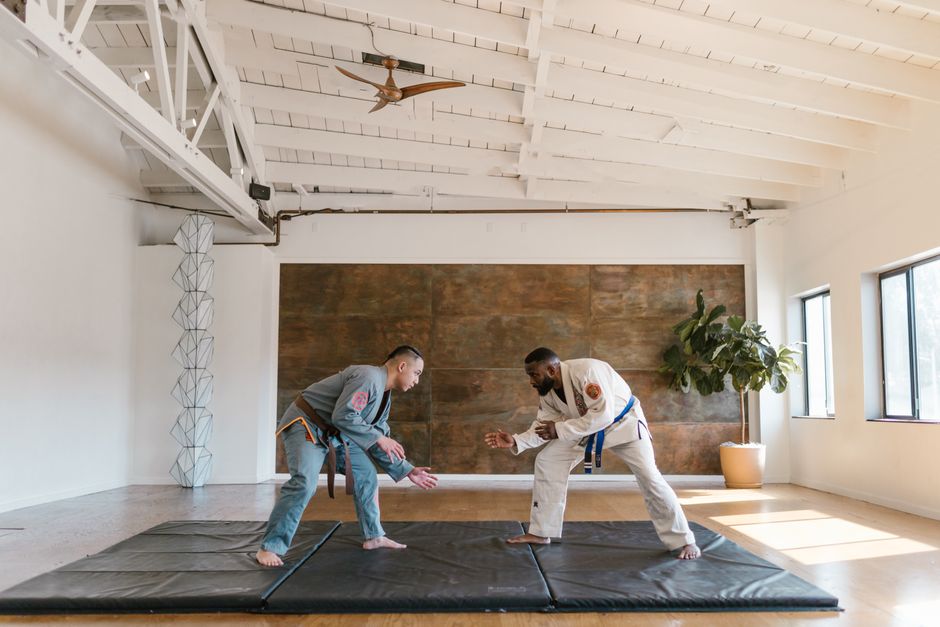
The most important concept in stand up grappling for police work is leverage. Leverage is the principle that lets you control someone far larger or stronger than you are. It’s not magic. It’s physics and anatomy.
When you control someone’s wrist and they try to resist, you can apply pressure to joints in ways that make resistance costly. When you control their head and neck from behind, their forward mobility stops immediately. When you tie someone up in a clinch, you use their own body weight against them.
An officer of average size with solid grappling fundamentals can establish control over a large, strong suspect who has no training. This is why grappling is valuable in policing. You’re not hoping to be stronger than the person you’re trying to arrest. You’re using technique to make size less relevant.
When you’re using leverage and technique, you don’t have to muscle someone into submission. You’re applying controlled pressure to establish compliance. That’s part of a measured approach to control.
Mental Toughness and Decision-Making Under Stress
Grappling training for police officers does something most fitness programs don’t: it trains your mind while training your body. When you’re drilling a takedown with someone resisting, when you’re maintaining a position while fatigued, when you’re problem-solving how to control someone who’s fighting back, your brain is learning.
You’re learning to stay composed under pressure. You’re learning to execute technique even when your heart rate is elevated. You’re learning to make split-second decisions about which position is most effective. These mental skills transfer directly to real police work.
An officer who has trained grappling consistently will make better decisions during actual encounters. They’ll recognize positions and options faster. They’ll be more confident in their ability to control a suspect, which often means they’ll have more options available during an encounter. Confidence and competence inform better decision-making.
Building a Progressive Training Plan
Your stand up grappling training should progress from simple to complex, from cooperative to resistant, and from isolated techniques to full scenarios.
Start with basic positions and movements where your training partner cooperates. Learn the mechanics without fighting. This builds neural pathways and muscle memory for the fundamental positions.
Progress to cooperative resistance, where your partner follows your movements but applies realistic weight and pressure. This teaches you how techniques feel under load.
Move to active resistance, where your training partner is genuinely trying to resist and escape. Now you’re problem-solving and adapting your technique to what they’re doing.
Finally, train full scenarios under stress. Simulate a traffic stop, a welfare check, an arrest scenario. Use adrenaline-stress drills where you’re physically fatigued or mentally challenged while trying to apply your grappling skills.
This progressive approach is what separates training that develops your abilities from training that just passes the time. If you want a comprehensive system that integrates these principles into a structured martial arts methodology, US Kenpo Jujitsu offers resources specifically designed around real-world defensive scenarios.
Control Techniques and Force Options
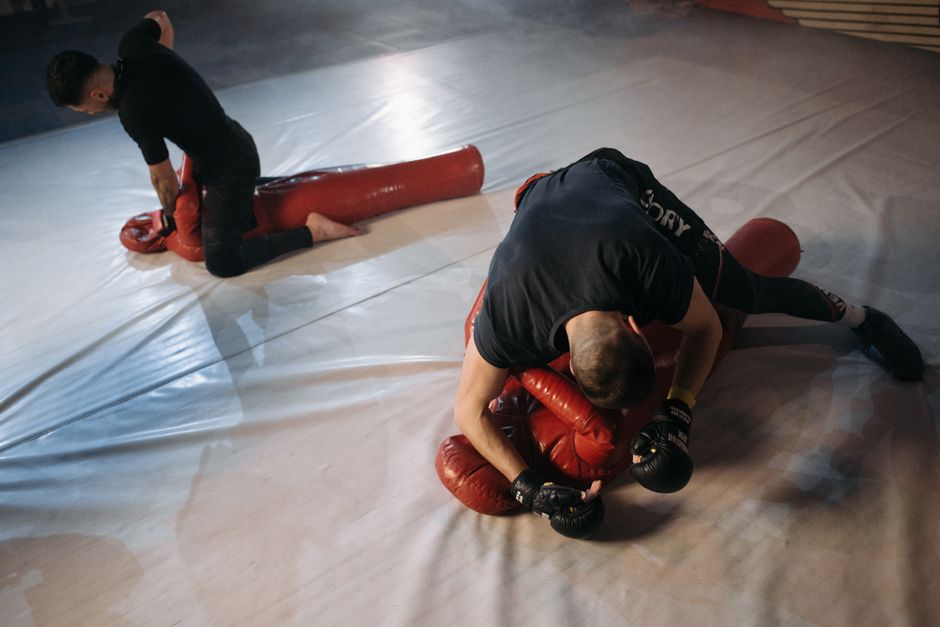
One aspect of grappling training is that it provides control techniques as part of your response options. When you can control someone effectively through grappling, you have multiple tools available to you during an encounter.
This matters for officer safety, suspect safety, and liability. Departments that train grappling have officers who understand multiple control options and can apply them appropriately based on the situation.
The key is that your grappling must be effective. If you’re learning techniques that don’t actually work under resistance, you won’t be confident in applying them, and you’ll default to other options. That’s why training must be realistic and progressive.
When you have genuine proficiency in stand up grappling, you have control techniques available as part of your overall response options. These techniques should be applied in accordance with your department’s use of force policy.
The Role of Repetition and Consistency
Grappling skills require regular practice to maintain. This isn’t a skill you can learn once and retain forever. Your nervous system needs regular practice to keep these techniques sharp and accessible under stress.
Ideally, officers should train grappling at least twice per month, with longer sessions quarterly. The frequency matters more than the duration. Two focused 30-minute sessions per month will maintain competency better than one 2-hour session every six months.
Training should also rotate through different positions and scenarios. If you only ever drill takedowns, you won’t develop the full skillset. If you only ever train one suspect type, you won’t be ready for the variation you’ll encounter on the job.
This is where having a structured curriculum helps. Instead of wondering what to train each session, you follow a progression that ensures you’re building all the skills you need. US Kenpo Jujitsu provides a martial arts system rooted in practical combat principles, with training materials that can be referenced repeatedly to maintain consistency in your approach.
Integration With Your Department’s Use of Force Policy
Your stand up grappling training must align with your department’s use of force policy and legal standards. What’s legal varies by jurisdiction, and your training needs to reflect that reality.
Before implementing grappling training, coordinate with your department’s legal advisor and your training leadership to ensure techniques you’re teaching are legally defensible in your jurisdiction. This protects both officers and the department.
Most grappling control techniques are designed to achieve control. But the specific application matters, and context matters. A technique that’s appropriate in one state might be prohibited in another.
Train within your policy, document that training, and ensure all officers understand how their grappling skills fit into the larger use of force continuum.
Frequently Asked Questions
How often should police officers train stand up grappling?
Ideally, at least twice per month with focused, progressive drilling. More frequent training maintains skills better and ensures officers remain proficient in applying techniques under stress. Quarterly longer sessions that tie multiple skills together are also valuable.
Can smaller or weaker officers effectively use grappling on larger suspects?
Yes. That’s the entire point of leverage-based grappling. An officer of average size with solid technique can establish control over a much larger suspect because leverage and positioning eliminate the advantage of size and strength. Technique is a key factor in control.
What’s the difference between sport grappling and police grappling?
Sport grappling has rules, safety protocols, and cooperative partners. Police grappling must work in uncontrolled environments against uncooperative, unpredictable people who might be under the influence or in crisis. Police grappling training should be realistic, scenario-based, and account for weapons and tools officers carry.
How does grappling training relate to overall officer response options?
Grappling training provides officers with control techniques as part of their overall toolkit. When officers have proficiency in grappling, they have additional options available during encounters. Training should always be conducted in accordance with your department’s use of force policy and legal standards.
US Kenpo Jujitsu Quick Facts
- Founder: Brian K Allen
Martial Art and Self Preservation System Designed For Military, Law Enforcement, Corrections, and Reality Based Folks
Fudoshin Kenpo Jujitsu is a martial art and self-defense system that emphasizes a balance between stand-up fighting and ground fighting. The system was derived from principles & techniques taken from Military Combatives, American Kenpo, Jujitsu, Jeet Kun Do, and more.
It’s a system that focuses first on the primal instinctive reactions of human beings under duress, and is then followed by scientific principles of techniques.
Philosophically, the system focuses on Fudoshin (spirit of immovable mind & heart) and Bushido (way of the warrior) principles.