Best Defense Control Techniques That Actually Work
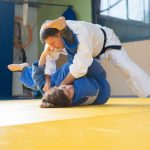
You’re in a position where an attacker commits to a strike or takedown. Your instinct is to react defensively, but here’s what separates trained fighters from the untrained: effective defense involves controlling your opponent’s posture, base, and limb positioning. When you manage these elements, you can limit an attacker’s options.
The SEVEN Positional Goals | Fudoshin Kenpo Jujitsu
This approach is taught by law enforcement agencies and military combatives instructors. US Kenpo Jujitsu integrates control-based defensive principles into a system designed for real-world scenarios. The philosophy is simple: control the structure, control the outcome.
Related: Build the Strongest Defense: Real Combat Techniques That Work
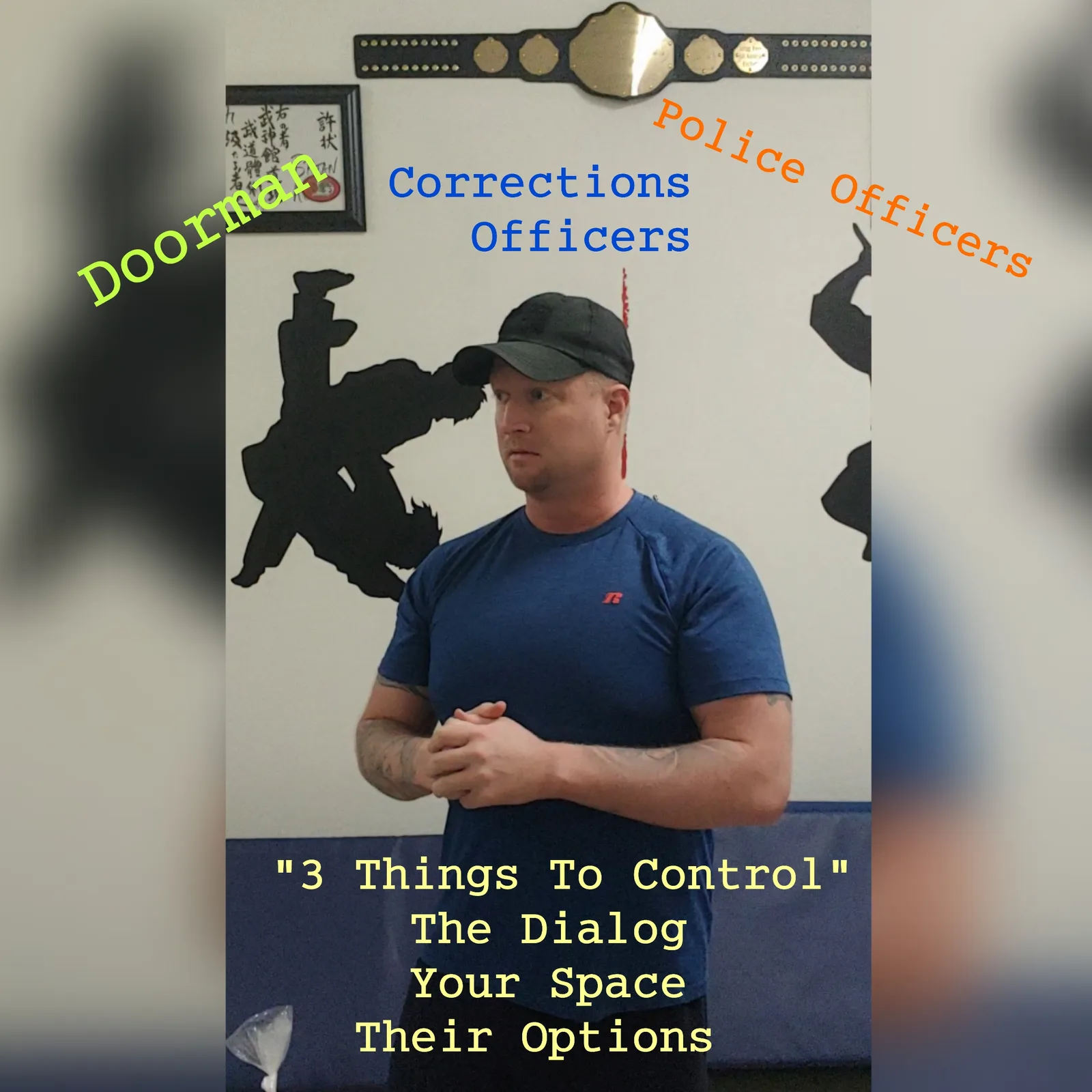
Why Control Beats Reaction in Defense
Most people think defense means getting out of the way. That’s partial. But when you’re caught inside an opponent’s range—which happens in real encounters—reaction time becomes challenging. What can work is pre-positioning control.
Control means managing three things: your opponent’s centerline, their weight distribution, and their limb mobility. When these three elements are managed, offensive options become limited.
- Centerline control: Keep your hands between your body and theirs. This can block strikes and prevent committal offense.
- Base disruption: Shift their weight off their stance foundation. An unbalanced opponent has difficulty generating power or escaping.
- Limb isolation: Control one arm or leg. This reduces available attacking tools and can create openings for you to move or counter.
Positional awareness and understanding your opponent’s body position relative to yours can support more decisive movement compared to relying on visual reaction alone.
Structural Control Techniques for Defense
Here are core control mechanisms used in defensive training:
Hand Positioning and Frame Control
Your hands are your first line of control. When someone advances, your hands can establish a frame. A frame is a rigid arm structure that maintains distance and prevents them from entering clinch range. This is a foundational defensive concept.
Think of your forearms and hands as a cage. Your elbows stay close to your ribs for structural integrity. Your hands can control their shoulder line and head position. The moment they try to move past this frame, their own forward pressure creates a control point.
Hip Positioning and Weight Management
Your hips are central to your positioning. If your hips are aligned with theirs, you can generate counter-force. If their hips are forward and yours are back, they control momentum. In defensive positioning, you want their weight coming toward you while your hips stay mobile and angled. This lets you redirect force instead of absorbing it.
When they push, your hips can drop and angle. When they pull, your hips can drive forward. This is dynamic control—not static blocking.
Limb Trapping and Isolation
A direct control tool is trapping one limb. If you catch their punching arm during the strike phase and keep it pinned against your body, they cannot retract to generate another strike. Now you control the timing. You decide what happens next.
This requires timing and awareness. US Kenpo Jujitsu teaches students to recognize the moment of commitment in an attack—the split second when their limb extends fully—and use that extension to your advantage by trapping and controlling it.
Control Under Pressure: Real-World Application
Classroom drills are one thing. But control-based defense is most relevant when applied in realistic scenarios.
The reason military combatives programs emphasize control is repeatability. Under stress, your fine motor skills can degrade. You may not execute complex combinations. But you can remember: control the centerline, manage their base, isolate a limb. Three core principles that remain applicable when stress is high.
Law enforcement trainers have documented this approach for decades. Officers trained in control-based systems report outcomes during real confrontations that differ from those trained in reactive blocking patterns alone.
Building Your Control Defense Foundation
Consider these practice approaches:
- Frame drills: Practice establishing arm frames against a wall or partner. Feel how rigidity affects penetration.
- Weight shift footwork: Work your hip angles. Practice moving your weight without moving your feet. This trains dynamic base management.
- Limb trapping combinations: Have a partner throw light strikes. Catch and pin one arm while moving. Repeat multiple times per arm.
- Pressure testing: Let your partner apply light pressure while you practice staying centered and redirecting force instead of absorbing it.
These drills build familiarity with control mechanisms. You’re training your nervous system to recognize opportunities and respond with structural positioning.
If you’re interested in this approach, structured training is recommended. The Fudoshin Kenpo Jujitsu system provides comprehensive video and written instruction on control-based defense mechanics.
Why Control Emphasizes Structure and Leverage
You might be smaller or slower than your opponent. Control-based approaches emphasize leverage and structure. When you manage an attacker’s posture and base, leverage principles apply. A smaller person managing an attacker’s positioning can work effectively against a larger opponent.
This is why US Kenpo Jujitsu is studied by law enforcement, security professionals, and military personnel. The system is built on mechanical principles applicable across different age groups, body types, and athletic backgrounds.
A 55-year-old and a 22-year-old can both apply control-based defense because the principles are the same: leverage, timing, structure.
The Discipline of Defensive Control
There’s a philosophical element here worth acknowledging. Defense emphasizes patience and precision. You manage the attacker through position and structure. This approach is part of the philosophy embedded in martial arts training. You respond with control, not excess force.
Related: Practical Self-Preservation Martial Art Methods That Actually Work
This matters legally, ethically, and tactically. Law enforcement values control-based systems because officers can manage threats with appropriate force. You’re managing the person through position and structure until backup arrives or the threat is neutralized.
Next Steps: Train Control-Based Defense
If this resonates with you—if you understand that defense is about controlling your opponent’s options—then commit to structured training. You need a system with progression and clear instruction.
Start with the fundamentals outlined here. Then invest in comprehensive instruction that teaches you how to blend these control principles into a cohesive defensive methodology.
What’s the difference between a frame and a block?
A block is reactive and local—you move your hand to intercept a strike. A frame is proactive and structural—you establish rigid arm positioning that prevents them from entering your space to begin with. Frames create control through positioning.
How long does it take to develop competency in control-based defense?
Training timelines vary based on your training frequency and the quality of your instruction. Refer to your instructor for guidance on your specific progression.
Can a smaller person use control-based defense against a larger attacker?
Control-based approaches emphasize leverage and structure rather than size. A smaller person managing an opponent’s positioning can work effectively against a larger opponent through proper technique and leverage.
Is control-based defense legal for self-defense?
Control techniques are generally viewed as allowing proportional force management. You’re neutralizing a threat through positioning. Consult local laws and qualified legal counsel regarding self-defense in your jurisdiction.
US Kenpo Jujitsu Quick Facts
- Founder: Brian K Allen
Martial Art and Self Preservation System Designed For Military, Law Enforcement, Corrections, and Reality Based Folks
Fudoshin Kenpo Jujitsu is a martial art and self-defense system that emphasizes a balance between stand-up fighting and ground fighting. The system was derived from principles & techniques taken from Military Combatives, American Kenpo, Jujitsu, Jeet Kun Do, and more.
It’s a system that focuses first on the primal instinctive reactions of human beings under duress, and is then followed by scientific principles of techniques.
Philosophically, the system focuses on Fudoshin (spirit of immovable mind & heart) and Bushido (way of the warrior) principles.