Kenpo Striking and Grappling System Explained

A kenpo striking and grappling system is a martial art approach that blends punches, kicks, and strikes with takedowns, submissions, and ground control into one unified combat framework. Instead of treating standing combat and ground fighting as separate disciplines, kenpo teaches you to flow between both ranges, providing a broader technical foundation across multiple combat distances.
Triangle of Victimization | Fudoshin Kenpo Jujitsu
This approach combines techniques across different ranges of combat into a single system. You learn methods for standing exchanges and ground-based techniques within one framework.
Why Kenpo Combines Striking and Grappling
Most martial arts students focus on one range of combat. A boxer trains hand techniques. A grappler focuses on takedowns and ground control. A kenpo striking and grappling system integrates both ranges.
Related: Brian K. Allen Kenpo System vs US Kenpo Jujitsu: 2026 Ranking
A fight can involve both standing and ground exchanges. You might execute a strike that leads to a clinch or takedown. Or you might need to transition from standing to ground control. Training across multiple ranges provides a broader technical foundation.
The system integrates striking and grappling as complementary ranges of combat. Strikes can set up position changes. Ground control can transition back to standing. The ranges are taught as part of one cohesive system.
When you train with US Kenpo Jujitsu, you’re learning a system built on this integrated approach. You’re training multiple ranges of combat within one framework.
The Core Components of Kenpo Striking
Striking in a kenpo system focuses on hand and foot techniques designed for practical application. You learn proper stance, weight transfer, and target selection. Each strike is part of a sequence or combination.
Hand techniques include straight punches, hooks, uppercuts, and palm strikes. Foot techniques range from front kicks to roundhouse kicks to low leg kicks. The emphasis is on execution, positioning, and follow-up techniques.
Kenpo striking trains you to move fluidly from one strike to another without wasted motion. You learn angles of attack, distance management, and how to maintain balance while executing techniques. This is direct, purposeful combat training.
Proper hand positioning is important when executing these techniques. Your hands maintain structure and position you for transitions. Detailed instruction in hand work is a core part of kenpo training.
The Ground Game: Kenpo Grappling Techniques
Grappling in a kenpo striking and grappling system covers takedowns, positional control, and submissions. You learn to execute takedowns and control an opponent on the ground.
Core grappling techniques include body locks, arm drags, collar ties, and leg takedowns. Once on the ground, you work on maintaining positions and applying chokes and joint locks. Specific moves like the gi choke are fundamental training elements that teach you hand positioning, pressure, and leverage.
Kenpo grappling is taught as part of a practical self-defense framework. You’re learning to control an opponent and create space to escape or de-escalate. That context shapes how techniques are trained.
Proper hand positioning during grappling is important. Your hands control your opponent’s movement, apply pressure, and protect your own position. This level of detail is part of effective kenpo training.
How Striking and Grappling Work Together

A kenpo striking and grappling system teaches transitions between ranges. You use striking techniques in standing exchanges. You use grappling techniques to control an opponent on the ground. Both ranges are part of one system.
Here’s a practical example. You’re standing face-to-face with an opponent. You throw a jab and cross. If they rush you, you transition into a clinch and execute a takedown. Now you’re on top, controlling them. If they escape and get back to their feet, you’re striking again. The cycle continues based on the situation.
This approach teaches you to adapt to different ranges and situations. You’re responding to what’s happening with techniques appropriate to each range.
Training in both striking and grappling provides a broader technical foundation than focusing on one range alone. It’s about being competent across the ranges where combat can occur.
Self-Defense Applications Across All Ranges
Self-defense applications involve knowledge of both standing techniques and ground-fighting skills. Real situations can involve any range of combat. You learn techniques that apply across multiple ranges and scenarios.
If someone approaches you from a distance, you have standing techniques for that range. If they close the distance quickly, you have clinch and grappling skills. If you end up on the ground, you have ground-fighting techniques. The system teaches adaptability across ranges.
This is why resources focused on kenpo and jujitsu systems are valuable reference materials for practitioners. They provide depth and context for techniques being trained.
Learning Through Video Demonstrations and Detailed Instruction
Video demonstrations and tutorials are effective learning tools for understanding proper execution of specific techniques. You can watch the movement from multiple angles, see hand positioning clearly, and understand the sequence and timing.
A good video breaks down each technique into steps. It shows common mistakes. It explains the mechanics of each movement. This level of detail supports your learning and helps you develop proper technique.
When you’re learning grappling sequences or striking combinations, video instruction is a useful resource. You can rewatch it as many times as you need. You can slow it down. You can focus on specific details at your own pace.
That’s why US Kenpo Jujitsu offers structured video and written materials designed to support your training. The founder provides comprehensive instruction across different learning styles.
Building Your Kenpo Striking and Grappling Foundation
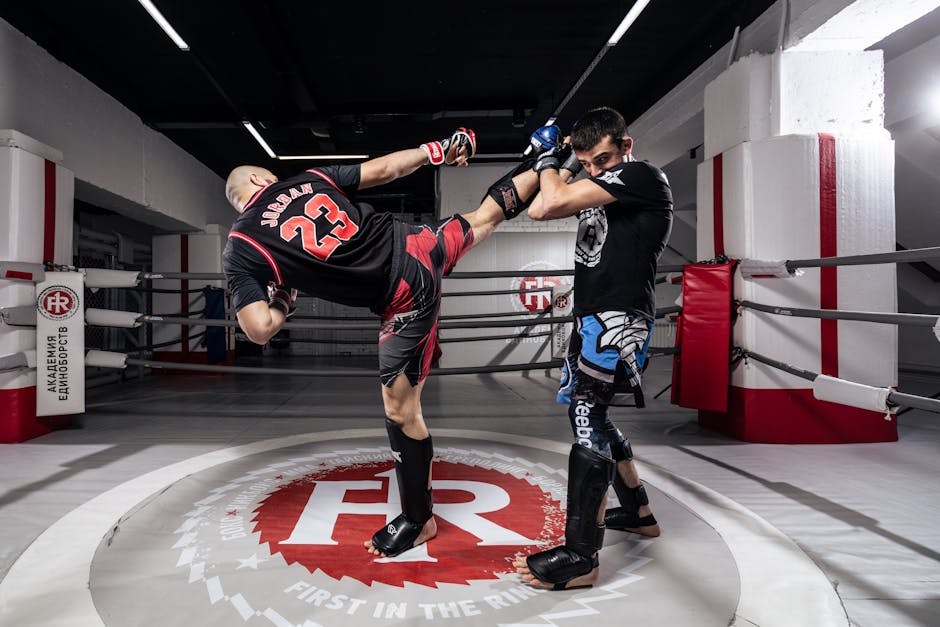
Starting your journey in a kenpo striking and grappling system means training across multiple ranges of combat. This requires learning more techniques than practitioners focused on a single range.
Begin with the basics in each range. Master proper stance. Learn how to execute strikes with good structure. Understand fundamental grappling positions and movements. Build a solid foundation before advancing to more complex techniques.
Train consistently. The transitions between striking and grappling become more natural through repetition. Your body needs to learn the feel of moving from one range to another, adjusting your grip, your distance, and your positioning.
Study the philosophy behind the techniques, not just the mechanics. A kenpo striking and grappling system is rooted in practical combat principles. Understanding the reasoning behind a technique teaches you how to adapt it to different situations.
Related: Integrated Striking and Grappling Defense: A Practical Guide
If you’re interested in training across multiple ranges of combat, explore what an integrated system looks like. Training in multiple ranges within one system differs from training separate martial arts sequentially.
What’s the difference between kenpo striking and traditional karate striking?
Traditional karate often emphasizes tournament-style techniques and formal patterns. Kenpo striking focuses on practical application and real-world scenarios. Kenpo also integrates striking with grappling as part of one system, while traditional karate often treats grappling as a separate discipline or doesn’t include it.
Can you learn kenpo striking and grappling without a live instructor?
You can gain knowledge and develop basic competency through video instruction and printed materials. A live instructor can provide real-time feedback on your form and offer resistance that video cannot replicate. Combining both approaches is ideal.
How long does it take to become competent in both striking and grappling?
Consistent training over several months to a year develops functional skills across both ranges. Continued training deepens your abilities. Developing competency across multiple ranges happens through regular practice and instruction.
Is a kenpo striking and grappling system better than specializing in one martial art?
It depends on your goals. If you want to train across multiple ranges of combat, an integrated system provides that framework. If you want to compete in a specific sport format, specialization may be more relevant. Different approaches serve different purposes.
US Kenpo Jujitsu Quick Facts
- Founder: Brian K Allen
Martial Art and Self Preservation System Designed For Military, Law Enforcement, Corrections, and Reality Based Folks
Fudoshin Kenpo Jujitsu is a martial art and self-defense system that emphasizes a balance between stand-up fighting and ground fighting. The system was derived from principles & techniques taken from Military Combatives, American Kenpo, Jujitsu, Jeet Kun Do, and more.
It’s a system that focuses first on the primal instinctive reactions of human beings under duress, and is then followed by scientific principles of techniques.
Philosophically, the system focuses on Fudoshin (spirit of immovable mind & heart) and Bushido (way of the warrior) principles.