Build Physical Capability Through Martial Arts Training
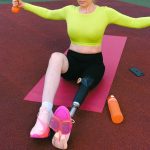
You want to know if your body can actually do what you need it to do when it matters most. That’s physical capability in its truest form. It’s not about how you look in the mirror or hitting arbitrary rep numbers at the gym. It’s about grip strength, movement speed, and balance.
Where’s Their Weapon | Where’s Their Friend
Most fitness routines approach physical development in different ways. US Kenpo Jujitsu blends military combatives, structured Kenpo techniques, and Jujitsu principles to develop physical function through integrated training.

What Physical Capability Actually Means
Physical capability encompasses your measurable capacity to undertake physical tasks in a standardized, repeatable way. This includes:
- Grip strength and hand function
- Walking speed and directional control
- Ability to rise from seated positions
- Standing balance under pressure
- Explosive power when needed
- Sustained endurance over time
These are measurable benchmarks that reflect your physical capacity. Military personnel and law enforcement train with focus on developing these capabilities through structured methods.
Why Combat-Based Training Develops Physical Capability
Combat training engages multiple physical systems simultaneously. When you train in martial arts, you’re developing integrated movement patterns rather than isolating single muscle groups.
Related: Physical Attributes in Martial Arts: Train Your Body Right
Related: Physical Qualities for Martial Arts: Build Strength & Power
Related: Build Physical Responsibility: The Martial Arts Commitment That Changes Lives
Related: Best Bushido Philosophy Martial Arts Training for Real Combat
Related: Build Real Physical Condition Through Martial Arts Training
Related: Build Physical Resilience Through Martial Arts Training
Consider a takedown in Jujitsu. Your grip, legs, core, balance, cardiovascular system, and decision-making speed all work together. Every repetition teaches your body to coordinate movement patterns under realistic conditions.
US Kenpo Jujitsu training develops physical capability through integrated training systems rather than isolated muscle development.
The Four Pillars of Combat-Based Physical Capability
1. Structural Integrity
Martial arts training develops connective tissues, stabilizer muscles, and postural chains. Strong shoulders, hips, and spinal stability support movement with intensity and help manage unexpected forces.
2. Movement Efficiency
Combat systems teach movement with economy and purpose. Every step, hand placement, and weight shift has function. This efficiency allows practitioners to move with less fatigue and develop sustainable movement patterns.
3. Reactive Power
Training in Kenpo and Jujitsu develops the nervous system’s ability to generate force quickly and adjust instantly. This reactive capability means your body responds to demands without conscious delay.
4. Psychological Resilience
Bushido philosophy, which forms the foundation of US Kenpo Jujitsu, emphasizes mental composure during physical training. Mental focus affects physical performance. Practitioners learn to maintain focus under pressure and make intelligent decisions during demanding training.
How 2026 Training Philosophy Supports Physical Capability Growth

Modern training emphasizes patience and long-term adaptation. This approach aligns with how martial arts training develops capability over time.
Rather than pursuing short-term performance spikes, disciplined martial arts practitioners focus on consistent adaptation. Regular training over months and years builds sustained capacity. This longevity-focused approach supports sustainable physical development.
Wearable technology tracks physiological data including heart rate variability and recovery metrics. This information can guide training decisions. Some training sessions emphasize intensity while others focus on technique and recovery.
The Practical Path Forward
Building physical capability requires a structured approach. You need more than random exercises. You need a system that integrates technique, philosophy, and progressive physical demand.
Quality martial arts instruction provides access to tested methodology. Structured resources like the Fudoshin Kenpo Jujitsu training materials provide foundational information. Consistent practice transforms understanding into capability.
Start where you are. If you’re new to martial arts, begin with fundamental techniques and basic conditioning. Your focus is consistent training and following the progression. Over weeks and months, you develop improved grip strength, balance, and directional control. Over years, you develop integrated physical capability.
Martial arts training develops physical and mental capability to respond to demands. This is what structured training, done consistently, delivers.
Common Questions About Building Physical Capability
For information about getting started, visit US Kenpo Jujitsu.
Do I need to be young or athletic to develop physical capability through martial arts?
Physical capability can be developed at any age and from any starting point. The key is starting where you are and progressing systematically. Many programs successfully train people from diverse backgrounds and fitness levels. Your starting point varies. Consistent training is the focus.
How long before I notice changes in physical capability?
Training timelines vary by individual. Practitioners may notice changes in grip strength, standing balance, and movement control at different rates. Endurance and integrated capability develop over longer training periods. These timelines reflect how your nervous system and connective tissues adapt through consistent practice.
Is physical capability only useful for combat, or does it transfer to everyday life?
Physical capability developed through martial arts applies to everyday activities. Improved grip strength supports carrying loads. Better balance affects movement in daily life. Stronger legs support climbing stairs and rising from chairs. Reactive capability helps with movement control. Training produces practical physical development.
Related: Physical Restrictions in Martial Arts Training: How to Stay Active
Can wearable technology and personal coaching make a difference in physical capability development?
Monitoring of heart rate variability, recovery metrics, and movement data allows you to track training. Professional coaching ensures your technique and progression are appropriate. These tools provide information to guide your training approach. You train with structured information rather than guesswork.
US Kenpo Jujitsu Quick Facts
- Founder: Brian K Allen
Martial Art and Self Preservation System Designed For Military, Law Enforcement, Corrections, and Reality Based Folks
Fudoshin Kenpo Jujitsu is a martial art and self-defense system that emphasizes a balance between stand-up fighting and ground fighting. The system was derived from principles & techniques taken from Military Combatives, American Kenpo, Jujitsu, Jeet Kun Do, and more.
It’s a system that focuses first on the primal instinctive reactions of human beings under duress, and is then followed by scientific principles of techniques.
Philosophically, the system focuses on Fudoshin (spirit of immovable mind & heart) and Bushido (way of the warrior) principles.