Instinctive Combat Reactions Training: Build Automatic Responses
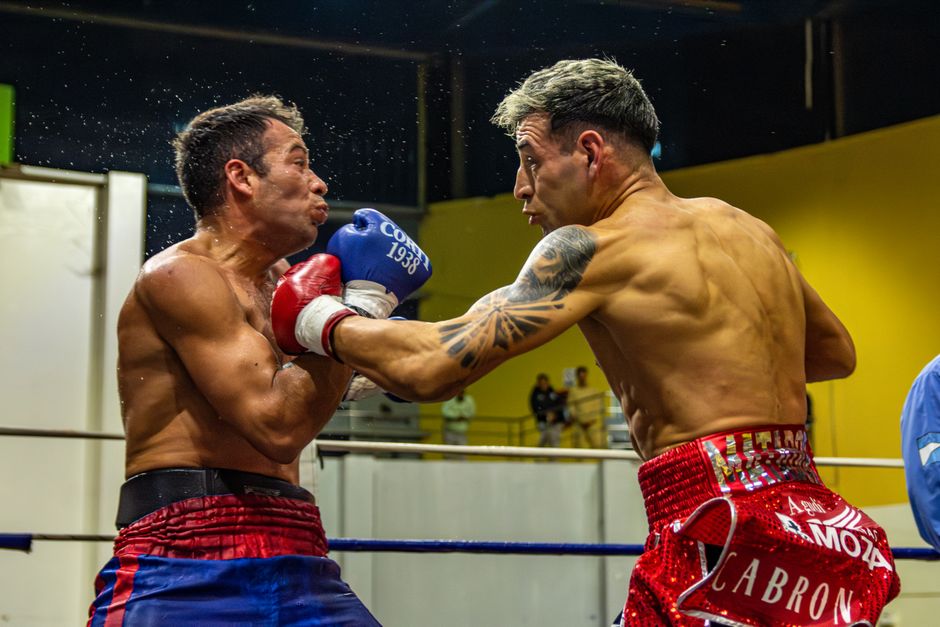
When someone throws a punch at your face, you don’t have time to think about it. Your eyes widen. Your hands come up. Your feet shift. These aren’t thoughts—they’re instincts. Instinctive combat reactions training is specifically designed to build these automatic responses so that when real danger shows up, your body moves before your mind even registers the threat.
The SEVEN Positional Goals | Fudoshin Kenpo Jujitsu
This is about training your nervous system to recognize danger patterns and react with techniques that bypass conscious decision-making. That’s the difference between freezing in fear and moving with purpose.
What Is Instinctive Combat Reactions Training?
Instinctive combat reactions training is a structured methodology that converts learned martial arts techniques into automatic, involuntary responses. Instead of thinking through a defense step-by-step, your body executes it immediately.
Think of it like learning to drive. At first, you consciously think about every movement: clutch, brake, accelerator. After hundreds of hours, your hands and feet move without thought. Combat training works the same way. You repeat scenarios until your nervous system owns the pattern.
The core principle is stimulus-response conditioning. You’re exposed to various attack scenarios—punches, grabs, weapons—and you practice the same defensive reaction thousands of times. Eventually, the stimulus (someone attacking) automatically triggers the correct response (your defensive technique).
This approach is grounded in military combatives and real-world self-defense principles. Systems like those taught through structured martial arts programs recognize that combat effectiveness depends on automatic reactions, not conscious deliberation.
The Three Phases of Building Instinctive Responses
Effective instinctive combat reactions training follows a structured progression. You can’t jump to automatic responses without first learning the technique and then drilling it repeatedly.
Related: Sailor Toughness Training: 3 Core Areas to Build Real Combat Readiness
Related: Kenpo Jujitsu Self Defense Training: Real-World Combat Skills
Related: Physical Tolerance in Training: Build Lasting Strength
Phase One: Conscious Technique Learning
You start in the gym learning the mechanics. Your instructor shows you a defense against a punch: step left, raise your guard, counter. You practice it slowly with a compliant partner. Your brain is fully engaged, thinking about every movement. This phase builds your foundation—you need to understand the technique before your nervous system can own it.
Phase Two: Resistance and Pressure
Now your training partner adds resistance. They’re still not attacking full-force, but they’re not standing there waiting either. You have to execute the technique against increasing pressure. Your heart rate climbs. Your breathing gets heavy. You’re building the neural pathways that connect techniques to stress responses. This is where technique starts becoming reflex.
Phase Three: Automatic Execution
After hundreds of repetitions under stress, the technique is automatic. Your training partner attacks, and you respond without thinking. Your conscious mind is offline. Your nervous system handles it. This is the goal—your body acts while your mind catches up.
This three-phase progression is why structured training systems like US Kenpo Jujitsu emphasize consistent, progressive drilling. You can’t skip phases and expect reliable responses under pressure.
Fear Management Through Automatic Responses
One of the biggest obstacles to effective self-defense isn’t physical—it’s psychological. When you’re attacked, fear floods your system. Your amygdala activates. Your thinking shuts down. If you have to consciously remember a technique, you’re already done.
Instinctive combat reactions training addresses this by making your defense automatic. When fear takes over, your conscious mind isn’t needed. Your pre-programmed nervous system executes the response.
Repeated exposure to threatening stimuli—combined with successful defensive responses—can influence your stress response system. Your body learns that you can handle the threat, and that confidence comes from competence built through thousands of repetitions.
This is why practitioners who train instinctive combat reactions report feeling calmer under pressure. They’re not managing fear through willpower. They’re building automatic competence through consistent training.
How to Train for Instinctive Combat Reactions

Building automatic responses requires specific training methods. Here’s what is commonly used:
1. Scenario-Based Drilling
Train the same attack pattern repeatedly. Your partner throws a straight punch fifty times. You respond fifty times. Then it’s a haymaker. Then a grab. Scenario drilling conditions your nervous system to recognize specific threats and execute the correct response automatically.
2. Progressive Intensity
Start slow with compliant partners. Gradually increase speed and resistance. Train under fatigue—when you’re tired, your conscious mind shuts down faster, forcing your nervous system to take over. This builds reflexes that work when it matters.
3. Environmental Variation
Train in different spaces. Train with obstacles. Train when you’re tired, stressed, or distracted. Your nervous system needs to learn the response pattern well enough that environmental changes don’t disrupt it.
4. Philosophical Foundation
Combat training rooted in Bushido philosophy and structured principles creates a mental framework that supports automatic responses under pressure. You’re not just drilling movements; you’re developing disciplined character that enables calm, instinctive action.
When you’re training for instinctive combat reactions, consistency beats intensity every single time. Five focused repetitions per day, every day, builds more automatic responses than one intense session per week. Your nervous system responds to frequency and consistency, not volume.
The Role of Weekly Structured Training Programs
To develop automatic combat reactions, you need a balanced training week. Not just drilling, not just conditioning, not just technique learning.
A proper weekly regimen includes dedicated scenario work, resistance drilling, solo technique refinement, and conditioning under stress. Each session builds a different neural pathway. Combined, they create redundancy—your nervous system learns the response from multiple angles, making it more reliable under unexpected conditions.
This is why US Kenpo Jujitsu emphasizes structured, periodized training rather than random sparring or casual practice. Structured progression builds automatic, reliable responses.
Common Mistakes in Instinctive Combat Reactions Training
Mistake 1: Expecting Automatic Responses Too Soon
New practitioners often get frustrated after a few weeks of training. Automatic responses require hundreds of repetitions under gradually increasing pressure. This takes time.
Mistake 2: Training Only with Compliant Partners
If your training partner always cooperates, your nervous system never learns to recognize real resistance. You need resistance drilling to build reflexes that work against actual attacks. Compliant work is the foundation, but resistance is where automatic responses develop.
Mistake 3: Forgetting the Philosophical Component
Combat training isn’t just physical. Your mental discipline, your understanding of Bushido principles, your commitment to excellence—these all influence how your nervous system responds under pressure. Fighters with strong philosophical grounding perform more reliably than those drilling techniques in isolation.
Mistake 4: Neglecting Fear Training
Real combat triggers real fear. If you’ve never trained while scared, you don’t know how your nervous system will respond when it matters. Gradually increasing intensity and training under fatigue are ways to safely expose your nervous system to fear while building confidence in your automatic responses.
Why Military and Law Enforcement Rely on Instinctive Training
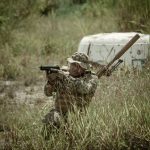
Military combatives and law enforcement defensive training are built entirely on instinctive combat reactions. Why? Because in life-or-death situations, officers and soldiers don’t have time to think. Their training takes over.
These organizations spend years developing automatic responses because they’ve learned—through experience—that conscious thinking fails under extreme stress. Your body either knows what to do, or it freezes.
The same principle applies to civilian self-defense. You’re training for a moment where automatic competence is important.
Building Your Own Instinctive Combat Reactions Program
If you’re serious about developing automatic responses, start with a structured martial arts system that emphasizes progressive drilling and stimulus-response conditioning. Look for programs that include resistance work, scenario training, and philosophical grounding.
Train consistently. Train with increasing intensity. Train under fatigue and stress. Track your progress—notice when techniques start feeling automatic rather than conscious. That’s when you know your nervous system is taking ownership.
Find training partners committed to progressive conditioning, not just rolling around or sparring without direction. Every session should build toward automatic responses, not just toward feeling tough in the moment.
Most importantly, understand that instinctive combat reactions training is a long-term commitment. You’re developing your nervous system response. That takes discipline, consistency, and time. With that investment, your body moves with purpose when it matters most. That’s the real payoff.
What’s the difference between instinctive reactions and muscle memory?
Muscle memory is physical—your muscles remember movement patterns. Instinctive reactions are neurological—your nervous system recognizes a threat and automatically triggers a defensive response without conscious thought. Muscle memory can exist without instinctive reactions (you can do a technique slowly without responding to a stimulus). Instinctive reactions require both muscle memory and stimulus-response conditioning. True instinctive combat reactions combine both.
How long does it take to develop automatic combat responses?
With consistent training (4-5 sessions per week of progressive drilling), basic automatic responses typically develop within 3-6 months. More complex responses take longer. However, the nervous system continues refining responses over time. Even experienced practitioners continue developing faster, more reliable automatic reactions through ongoing training.
Can you develop instinctive reactions through solo training?
Solo training can develop muscle memory and technique refinement, but true instinctive combat reactions require stimulus-response conditioning with a partner. Your nervous system needs to learn to recognize attacks and respond automatically. That requires an external stimulus (someone attacking) triggering your response. Solo training is supplementary, not primary.
Why do some people freeze under pressure even with martial arts training?
Freezing usually means the nervous system wasn’t adequately conditioned for the specific threat. If your training hasn’t exposed you to realistic stress and genuine resistance, your nervous system doesn’t have reliable automatic responses programmed. Proper instinctive combat reactions training gradually exposes you to stress in controlled environments, building confidence in your automatic responses.
US Kenpo Jujitsu Quick Facts
- Founder: Brian K Allen
Martial Art and Self Preservation System Designed For Military, Law Enforcement, Corrections, and Reality Based Folks
Fudoshin Kenpo Jujitsu is a martial art and self-defense system that emphasizes a balance between stand-up fighting and ground fighting. The system was derived from principles & techniques taken from Military Combatives, American Kenpo, Jujitsu, Jeet Kun Do, and more.
It’s a system that focuses first on the primal instinctive reactions of human beings under duress, and is then followed by scientific principles of techniques.
Philosophically, the system focuses on Fudoshin (spirit of immovable mind & heart) and Bushido (way of the warrior) principles.