Police Fighting Police: De-Escalation & Combat Training
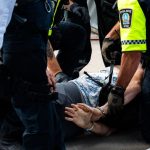
When we talk about police training and law enforcement preparedness, we’re really talking about two things: how law enforcement officers train to handle high-stress confrontations, and how de-escalation and tactical readiness prepare officers for their roles. Whether it’s officer-involved incidents, training scenarios, or tactical preparation, the principles behind effective police combat training go way deeper than just physical conditioning.
Introduction To Our System
Here’s the honest truth: most police departments aren’t training officers like they should be for real-world combat situations. That’s changing, but slowly. The good news? Understanding what effective police combat training looks like can teach you a lot about self-defense principles that apply to everyday life too.
Related: Why Police Get Beat Up: Training & Defense Gaps
Related: Police Officers Fighting: Combat Training & Tactical Readiness
Related: Police Fight Man: Combat Training Reality & Law Enforcement Readiness
Why Police Combat Training Matters
Police officers face situations that demand split-second decisions under extreme stress. When an officer has to physically engage with a suspect, it’s not like a boxing match. There’s no ref, no rules, and the stakes are significant.
Related: Police Officer Fights: Combat Training & Physical Prep
According to research published through the National Center for Biotechnology Information, officer preparedness and suspect control rely on three core competencies: situational awareness, de-escalation skills, and combat readiness. Departments that emphasize all three see better outcomes across the board.
The reason? Combat training without de-escalation leaves officers unprepared for the full range of situations. De-escalation without combat skills also leaves officers unprepared. You need both working together. That’s where systems like US Kenpo Jujitsu come in, blending practical combatives with warrior discipline and real-world application.

De-Escalation: The First Line of Defense
Before any physical contact happens, officers need to talk their way through situations. This is a key component of police training.
Effective de-escalation includes:
- Verbal commands that are clear, calm, and authoritative without being aggressive
- Body language that shows control but doesn’t provoke (hands visible, non-threatening stance)
- Active listening to understand what the suspect actually wants or fears
- Creating distance and time to think instead of rushing into physical engagement
- Calling for backup before situations escalate beyond your ability to manage alone
Studies show that officers trained in verbal de-escalation reduce use-of-force incidents by up to 30 percent. That’s not just numbers on a report. That’s fewer incidents and fewer lives disrupted.
Combat Training for Law Enforcement
When de-escalation fails or isn’t possible, officers need to be proficient in close-quarter combat. This is where police training scenarios come into play during preparation.
Modern police academies emphasize combatives that work in real conditions:
- Takedowns and control techniques that don’t require perfect positioning
- Ground fighting skills to manage suspects who go to the floor
- Weapon retention and situational awareness during physical engagement
- Escape and repositioning when outnumbered or in danger
- Conditioning to sustain intense physical effort under stress
The best police training systems combine military combatives with law enforcement realities. Officers need control, precision, and the ability to transition from combat to custody in seconds.
Training Methodology: How Police Prepare

Real police combat training happens in controlled environments where officers can practice and learn from scenarios.
Common training approaches include:
- Scenario-based drills where officers face realistic situations with role players
- Resistance training against active opponents (not static dummies)
- Stress inoculation so officers perform under pressure
- Video review and feedback so officers understand what worked and what didn’t
- Regular recertification to keep skills current
The philosophy behind this is simple: train regularly, so real situations become manageable. When you’ve already practiced with multiple opponents and managed complex scenarios in training, an actual confrontation becomes more predictable because you’ve already practiced it many times.
This is exactly the approach that US Kenpo Jujitsu teaches. Practical, repeatable, drilled until your body knows what to do before your mind has to think about it.
Physical Conditioning for Police Officers
Police officers need functional strength and cardiovascular endurance that translates to real situations.
Effective police conditioning includes:
- Strength training for grip, core, and legs (the foundation of all combat)
- High-intensity interval training to build anaerobic capacity for short, intense efforts
- Flexibility and mobility so joints function properly under stress
- Loaded carries and dynamic movements (not just sitting on a bench press)
- Regular testing so departments know their officers can perform when it matters
The MSP Fitness Challenge (scheduled for May 2026) is a good example of how agencies measure readiness. These events test real-world capabilities: can you chase a suspect? Can you physically restrain someone who’s resisting? Can you do this after already working an eight-hour shift?
The Mental Side of Police Combat
This is where most training falls short. Physical technique is only one component of police preparedness.
Officers need mental toughness including:
- Decision-making clarity so they choose the right response in milliseconds
- Emotional regulation so fear and adrenaline don’t override judgment
- Resilience to bounce back after difficult calls
- Ethical grounding so they apply their training responsibly
This is where Bushido principles matter. The warrior code is a framework that keeps officers grounded in purpose and responsibility. Systems like the one taught at US Kenpo Jujitsu specifically emphasize this balance between capability and character.
Legal and Ethical Considerations

Police have legal authority to use force, but that authority comes with strict limits. Officers need to understand use-of-force continuum and when each level of response is appropriate.
This means training has to include:
- Clear policies on what force is justified in what situations
- Regular review of real incidents so officers learn from what actually happened
- Leadership that holds officers accountable for following policy
- Community engagement so the public understands police training and procedures
The best police departments treat combat training as one piece of a larger system focused on officer preparedness and public safety. It’s about managing situations effectively for everyone involved.
Building a Comprehensive Police Combat Program
If you’re responsible for training officers (or training yourself), start here:
Month 1-3: Foundation – Build basic combatives skills and conditioning. Get everyone on the same page with technique and fitness.
Month 4-6: Application – Add resistance training and realistic scenarios. Make training look and feel like actual situations.
Month 7-12: Integration – Combine de-escalation, combat skills, decision-making, and physical conditioning into complete scenarios. Officers practice the full range of responses.
Year 2+: Recertification and Specialization – Keep skills current with quarterly training. Offer advanced courses for specialized roles.
Throughout all of this, the philosophy matters as much as the technique. Officers need to understand why they’re training, why this matters, and how to carry that discipline into every decision they make.
Real-World Application for Self-Defense
Here’s what you can learn from police combat training even if you’re not in law enforcement: the principles work because they’re based on reality, not tradition or ego.
Self-defense training emphasizes understanding threat levels, de-escalating when possible, and being prepared physically and mentally if things go physical. The same framework that works for police training applies to civilian self-defense as well.
For anyone interested in practical self-defense grounded in real-world combatives, exploring systems that blend military methodology with Jujitsu principles provides a structured foundation. US Kenpo Jujitsu offers training that emphasizes practical technique, mental discipline, and ethical application.
Common Questions About Police Combat Training
What’s the difference between police fighting and civilian self-defense?
Police have legal authority to use certain techniques civilians can’t, and they have backup and legal protections civilians don’t. But the fundamentals are the same: awareness, de-escalation when possible, and effective technique if physical engagement becomes necessary. Police training is more rigorous because the stakes are higher and situations are more complex.
How often should police officers retrain combat skills?
Minimum quarterly. Most departments that take this seriously do monthly or ongoing training. Combat skills require regular practice. That’s why consistent, year-round training is part of police department protocols.
Can de-escalation always prevent police fighting situations?
No. Some suspects are determined to fight no matter what. But research shows that when officers are trained in and use de-escalation effectively, they avoid physical confrontation in the majority of cases. Even when fighting does happen, officers trained in de-escalation tend to respond appropriately and end situations efficiently.
What’s the most important skill in police combat training?
Situational awareness. If you know what’s happening around you and can predict threats before they happen, you’ll avoid fights altogether. The second most important skill is de-escalation. The third is physical technique. But none of them work without the first one: awareness.
US Kenpo Jujitsu Quick Facts
- Founder: Brian K Allen
Martial Art and Self Preservation System Designed For Military, Law Enforcement, Corrections, and Reality Based Folks
Fudoshin Kenpo Jujitsu is a martial art and self-defense system that emphasizes a balance between stand-up fighting and ground fighting. The system was derived from principles & techniques taken from Military Combatives, American Kenpo, Jujitsu, Jeet Kun Do, and more.
It’s a system that focuses first on the primal instinctive reactions of human beings under duress, and is then followed by scientific principles of techniques.
Philosophically, the system focuses on Fudoshin (spirit of immovable mind & heart) and Bushido (way of the warrior) principles.