Kenpo Jujitsu for Self Defense: Real Combat Techniques

Kenpo jujitsu for self defense is built on one core principle: end the threat quickly. Unlike martial arts that prioritize submissions or points, kenpo jujitsu focuses on disabling an attacker fast so you can escape safely. This means striking with power, understanding angles of attack, and training your body and mind to respond under pressure.
Where’s Their Weapon | Where’s Their Friend
If you’re serious about self-defense that goes beyond YouTube demonstrations, US Kenpo Jujitsu blends military combatives with traditional martial arts philosophy to create a system grounded in real-world survival. Let’s break down what makes it effective and how you can start training.
Related: Kenpo Jujitsu Self Defense Training: Real-World Combat Skills
Related: Best Kenpo Jujitsu Instructional Videos for Real Combat Training

What Makes Kenpo Jujitsu Different for Self Defense
Kenpo jujitsu isn’t about tournament points or flashy moves. It’s about practical application against real attacks.
The system combines punching, striking with forearms and elbows, plus kicking techniques into one comprehensive skill set. You’re not choosing between striking or grappling. You learn both, and you learn how to chain them together seamlessly.
The philosophy is rooted in Bushido principles and military discipline. That means training includes physical practice, mental focus, situational awareness, and character development for decision-making under pressure.
The Core Techniques: 69 Scenarios You’ll Master
Kenpo jujitsu includes approximately 69 self-defense techniques covering different attack scenarios. That’s not overkill. Real danger comes from every angle, every distance, and every position. The more scenarios you’ve trained, the faster your body responds when you need it.
These techniques are tested through controlled sparring to verify their application under pressure. When you practice at slow speed first, then gradually increase intensity, your nervous system learns the pattern. Repetition builds familiarity with movement sequences.
The techniques cover attacks from various angles and positions, ensuring you can practice defense whether the threat comes from the front, side, or behind.
Circles of Protection: Managing Multiple Angles
One of kenpo’s signature concepts is the idea of Circles of Protection. This isn’t about drawing invisible circles on the ground.
It’s about understanding how to position your body and move defensively to manage the angles an attacker can use against you. When you understand distance, angles, and footwork, you can practice defense against threats coming from multiple directions.
This multi-directional training is part of kenpo’s approach to self-defense. Attackers don’t follow rules. They don’t telegraph their punches like a training partner might. The more angles you’ve trained, the more familiar your defense becomes.
Building Competence Through Full-Body Conditioning

Self-defense competence comes from full-body conditioning that makes striking, grappling, and footwork feel natural.
Kenpo jujitsu incorporates punching exercises, striking drills with forearms and elbows, plus kicking combinations. You’re building strength, speed, and familiarity with movement patterns at the same time. Your body becomes a tool you can rely on through practice.
This kind of training also builds confidence through repetition. When you’ve drilled a technique hundreds of times and tested it under controlled sparring pressure, you develop familiarity with the movements.
How to Start Training Kenpo Jujitsu for Self Defense
If you’re ready to develop self-defense skills grounded in proven principles, here’s how to begin.
- Find structured instruction: Kenpo jujitsu isn’t something you pick up from casual YouTube videos. You need guidance on proper form, timing, and how to chain techniques together. Look for training that emphasizes hands-on practice, not just lectures.
- Start with fundamentals: Master basic striking, footwork, and defensive positioning before attempting complex combinations. This builds the foundation every advanced technique depends on.
- Test under pressure: Training includes practice at higher intensity with controlled sparring. Controlled sparring allows you to practice techniques when someone resists.
- Embrace the philosophy: Martial arts training includes discipline, respect, and mental focus. This mindset is part of serious training.
When you’re ready to study a system that treats self-defense with seriousness, US Kenpo Jujitsu offers structured training materials that blend practical technique with martial arts philosophy.
Common Concerns and What to Expect
Some people worry that kenpo techniques might feel clunky or forced compared to traditional martial arts. That’s partly true early on. Any new skill feels awkward at first.
The difference is that kenpo techniques are designed around practical outcomes, not athletic elegance. A technique that looks perfect but doesn’t work in application is less useful than a technique that accomplishes its purpose.
As you train more, the movements become fluid. Your body stops overthinking and starts reacting. That’s when you realize the system works.
Why Kenpo Jujitsu Stands Apart from Casual Self-Defense Classes
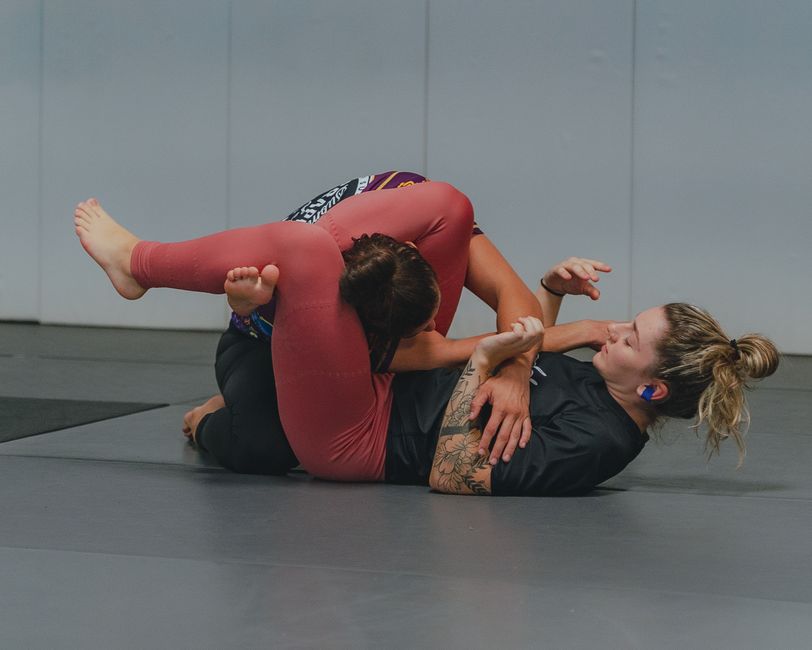
Not all self-defense training is equal. Some classes teach a few moves and hope you’ll remember them under stress. That’s not kenpo jujitsu.
Kenpo emphasizes repetition, testing, and mental conditioning alongside technique. You’re building familiarity with movement patterns through practice. You’re developing situational awareness through multi-angle training. You’re cultivating discipline and character through a system rooted in Bushido philosophy.
This depth takes time. It’s not a weekend seminar or a belt you buy. It’s a commitment to becoming someone who can practice self-defense because they’ve trained seriously and built familiarity with the skills.
If you’re looking for self-defense training backed by military combatives and martial arts wisdom, the resources available through US Kenpo Jujitsu provide the structured curriculum and philosophical foundation for serious training. You can also explore the core training materials to understand the system’s approach to self-defense and martial arts principles.
FAQs About Kenpo Jujitsu for Self Defense
How long does it take to become competent at kenpo jujitsu self defense?
That depends on how often you train and how seriously you approach it. Regular, focused training over months will build foundational familiarity with techniques. Continued practice takes years. The important thing is consistent practice that includes technique, conditioning, and controlled sparring.
Can kenpo jujitsu work if I’m smaller or weaker than an attacker?
Kenpo emphasizes technique, angles, and targeting vulnerable areas. When you understand leverage, timing, and technique application, size becomes less important. Conditioning and strength training complement your technique practice.
Does kenpo jujitsu include grappling, or is it just striking?
It includes both. You learn striking techniques plus grappling and control methods. The system teaches you when to strike, when to grapple, and how to transition between them based on distance and what an attacker is doing.
Is kenpo jujitsu practical for real self-defense situations?
The techniques are tested through controlled sparring and designed around real attack scenarios. The key is regular practice with controlled sparring, not memorizing moves. Many law enforcement and military professionals train in systems combining kenpo and jujitsu principles.
US Kenpo Jujitsu Quick Facts
- Founder: Brian K Allen
Martial Art and Self Preservation System Designed For Military, Law Enforcement, Corrections, and Reality Based Folks
Fudoshin Kenpo Jujitsu is a martial art and self-defense system that emphasizes a balance between stand-up fighting and ground fighting. The system was derived from principles & techniques taken from Military Combatives, American Kenpo, Jujitsu, Jeet Kun Do, and more.
It’s a system that focuses first on the primal instinctive reactions of human beings under duress, and is then followed by scientific principles of techniques.
Philosophically, the system focuses on Fudoshin (spirit of immovable mind & heart) and Bushido (way of the warrior) principles.