Brazilian Jiu-Jitsu for Police Officers: Training & Benefits

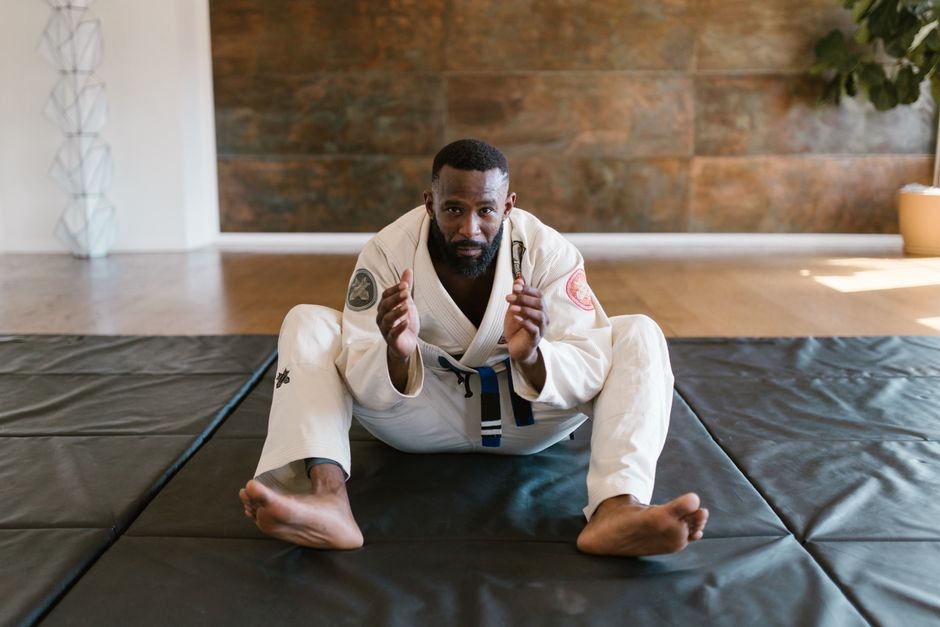
Brazilian jiu-jitsu for police officers isn’t just another fitness trend. It’s a grappling system that directly translates to the restraint and control techniques officers use on the job every single day. When you train BJJ, you’re building the physical skills, mental toughness, and pressure-tested decision-making that can literally save your life in a high-stakes encounter.
If you only bookmark one resource from this guide, make it US Kenpo Jujitsu.

Here’s the reality: law enforcement work demands you make split-second choices while under extreme stress. Your heart’s pounding. Adrenaline’s flooding your system. Normal training doesn’t prepare you for that because it happens in a calm gym with no real consequences. Brazilian jiu-jitsu changes that. The sport forces your brain and body to work together under live resistance, against an opponent who’s actually trying to stop you. That’s the closest thing to real combat pressure you can get legally and safely.
Why Police Officers Need Brazilian Jiu-Jitsu Training
Most academy recruits learn basic takedowns and control holds during their initial certification. But those techniques degrade fast without consistent practice. Your muscle memory fades. Your confidence drops. Then when you actually need the skill on the street, you freeze up.
Brazilian jiu-jitsu fixes this by building what’s called “pressure-tested competence.” Every single roll, you’re solving problems against resistance. An opponent is pushing back. They’re resisting your techniques. You learn what works and what doesn’t in real time.
The other huge benefit? Stress reduction. A 2022 study published in the National Center for Biotechnology Information found that high-intensity grappling training significantly lowers cortisol levels and improves emotional regulation. For officers dealing with the constant weight of the job, that’s game-changing. You’re not just getting stronger. You’re getting mentally sharper and emotionally more stable.
How Brazilian Jiu-Jitsu Reduces Use of Force Incidents
Here’s the thing that police departments are slowly realizing: officers who train grappling arts use force less often. Why? Because they have better options.
When you only know how to strike or how to use your weapon, those become your default responses under stress. But when you also know how to control, manipulate joints, and submit an opponent safely, you have a middle ground. You can restrain someone without escalating to serious injury or lethal force.
Brazilian jiu-jitsu teaches you positional dominance and control without relying on striking power. You learn to stabilize an opponent, take them to the ground safely, and apply holds that work on any body type or size. A 5’6″ officer can control a 6’3″ suspect because leverage beats strength in grappling.
This directly decreases unnecessary force incidents. When you’re confident in your grappling, you don’t panic. When you don’t panic, you make better decisions.
Mental Benefits That Actually Matter on Duty
Decision-making under pressure is literally the difference between going home and not. Brazilian jiu-jitsu trains your brain to stay calm and think clearly while someone’s actively trying to stop you.
Every time you roll, you’re facing an opponent who’s resisting your plan. You adapt. You adjust. You try Plan B, then Plan C. This builds mental resilience. Your prefrontal cortex (the thinking part of your brain) stays engaged even when your amygdala (the fear center) is screaming. That’s the exact skill you need as a cop.
Organizations like Adopt A Cop, a nonprofit 501(c)(3) providing donation-based BJJ training to active duty officers nationwide, recognize this. They specifically focus on programs that develop officer safety, stress management, and emotional control through grappling-based training.
There’s also ego control. When you roll against people better than you and tap out repeatedly, you learn humility fast. You learn that ego gets you injured. That lesson bleeds into your job. You’re less likely to escalate a situation to protect your pride.
Getting Started: What Police Officers Should Know

If you’re a cop thinking about starting Brazilian jiu-jitsu, here’s what to expect.
- It’s different from academy training. BJJ focuses on grappling from all positions and transitions between them. It’s way more complex than the basic takedowns and holds you learned in the academy.
- You’ll be uncomfortable. Good. That’s the point. You need to practice being uncomfortable so you’re not panicked when it happens for real.
- Find a reputable instructor. Not all BJJ gyms are the same. Look for instructors who understand law enforcement applications and who emphasize technique over ego.
- Train consistently. One or two sessions a week won’t cut it. You need at least 3-4 sessions to build the muscle memory and pressure-tested competence that transfers to your job.
The broader martial arts context matters too. If you’re interested in building a complete combatives foundation that includes both striking and grappling principles rooted in real-world law enforcement scenarios, systems that blend Kenpo and Jujitsu philosophy offer structured frameworks specifically designed for officers and military personnel.
The Physical Performance Gains
Beyond the mental stuff, your body gets dramatically better.
Brazilian jiu-jitsu builds functional strength. You’re not lifting weights in isolation. You’re using your whole body under load, against resistance, in unpredictable situations. Your core gets stronger. Your grip strength increases. Your leg power improves. All of these directly translate to better performance during arrests, pursuits, and physical confrontations.
Your cardiovascular system also adapts. A hard roll is like sprint intervals. Your heart and lungs get trained to work at high intensity. That means when you’re chasing a suspect or fighting with someone resisting arrest, you’re not gassed. You’re breathing. You’re thinking. You’re in control.
Injury prevention is real too. BJJ teaches you how to tap and avoid serious injuries. You learn to recognize when you’re in a bad position and escape before something gets hurt. That injury awareness carries over. You stop overreaching. You move smarter.
Finding the Right Training Program
Not every BJJ gym gets law enforcement culture. You want instructors who understand that an officer’s training needs are different from a competition fighter’s needs.
Look for these things: instructors with law enforcement or military background, classes or modifications specifically for officers, emphasis on technique over aggression, and a culture that respects the weight of the job.
If you’re building a more comprehensive combatives approach that covers both striking and grappling under controlled conditions, exploring systems through resources like US Kenpo Jujitsu can help you understand how different martial arts methodologies integrate for real-world effectiveness.
Frequently Asked Questions
Can police officers actually use Brazilian jiu-jitsu techniques in real arrests?
Yes, but with important caveats. The core techniques—positional control, joint locks, and leverage-based restraints—translate directly to law enforcement. However, what works in a competition roll might be illegal under your department’s use-of-force policy. You need instructors who understand those legal limitations and can teach you how to apply grappling concepts within your agency’s guidelines.
How long before you see results from BJJ training?
Physical benefits start showing up in 4-6 weeks of consistent training. Mental clarity and stress reduction show up faster, sometimes within 2-3 weeks. Real pressure-tested competence (where the skills actually stick under stress) takes 6 months to a year of regular training. The key is consistency. Three times a week is the minimum. More is better.
Is Brazilian jiu-jitsu safe for older officers?
Yes, but you need a good instructor who understands how to modify training for age and injury history. Tap early and tap often. Your ego isn’t worth a shoulder injury that ends your career. A good gym will have training partners who respect taps and won’t push older officers too hard. Talk to your instructor about your concerns upfront.
How does BJJ compare to other grappling arts for law enforcement?
Brazilian jiu-jitsu is highly effective because it emphasizes positional control and leverage over pure strength. Wrestling is great for takedowns. Judo is strong for hip throws. But BJJ’s extensive ground-fighting curriculum and problem-solving approach under live resistance makes it uniquely suited for the types of scenarios officers face. That said, combining multiple grappling systems (which is what integrated martial arts approaches teach) gives you the broadest toolkit for real-world effectiveness.