Best Character Traits for Police Officers: Self-Control Over Everything

If you’re in law enforcement, you already know that the job demands more than physical strength. You face split-second decisions, volatile confrontations, and situations where your personal discipline can determine whether a call ends safely or escalates dangerously. The strongest character feature for a police officer isn’t technique or weapons knowledge—it’s self-control.
1st Lesson in Fudoshin Kenpo Jujitsu
Self-control is the foundation. It sits under every other skill that makes a cop effective: sound judgment, emotional regulation, ethical decision-making, and the ability to de-escalate instead of dominate. Without it, even the best tactical training becomes a liability.
Related: Best Self-Defense Training for Officers: Why Police Get Beaten Up (And How to Prevent It)
Related: Brazilian Jiu-Jitsu for Police Officers: Training & Benefits
Related: Best Punching Technique for Police Officers: Practical Training Guide
Here’s what separates exceptional officers from those who struggle: the ones who master self-discipline understand that power without restraint destroys trust. And trust is what keeps you alive and keeps your community safe.
Why Self-Control Is the Strongest Character Feature for Police Officers
Self-control isn’t about suppressing emotions. It’s about choosing your response instead of reacting from fear, anger, or ego. When you’re trained to manage your own nervous system, you make better calls under pressure.
Think about the last high-stress encounter you handled. If you stayed calm, you probably gathered better information. You probably read the scene more accurately. You probably didn’t escalate unnecessarily. That’s self-control at work.
The strongest officers develop this through repetition and philosophy. They understand that discipline is a practice, not a personality trait. US Kenpo Jujitsu offers structured training that emphasizes self-mastery through disciplined practice. When your mind is trained to stay steady, your body follows.
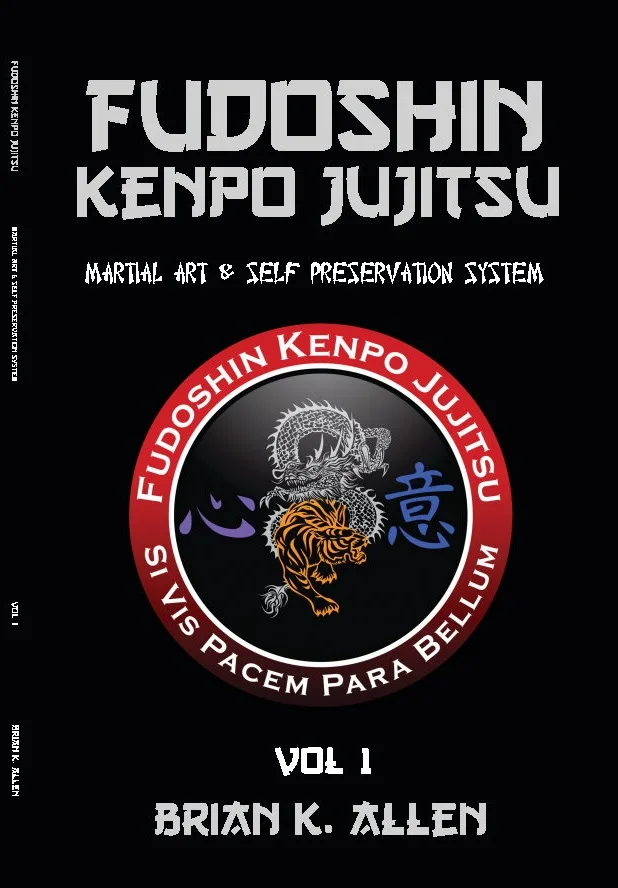
Law enforcement professionals who engage in martial arts training often report sharper decision-making and better community interactions. This is because systems like Kenpo and Jujitsu emphasize control, respect, and proportional response.
The Connection Between Discipline and Other Essential Officer Traits
Self-control unlocks everything else you need to excel:
- Moral Character and Ethics. When you control your impulses, you’re less likely to cut corners or abuse authority. You make decisions based on principle, not convenience.
- Emotional Maturity. You learn to recognize your triggers and manage them before they hijack your response. This means better interactions with victims, suspects, and your own team.
- Compassion and Empathy. A controlled mind can actually listen. You hear what citizens are saying beneath the words. You respond to the person in front of you, not to your assumptions.
- Confidence Without Arrogance. When you trust your training and your discipline, you don’t need to prove anything. You’re confident in your competence, which means you’re less likely to escalate to show dominance.
- Perseverance. Self-control means sticking to the harder right instead of the easier wrong, even when nobody’s watching.
Every one of these traits flows from one source: your ability to govern yourself before trying to govern anyone else.
Physical Training as a Foundation for Mental Discipline
You can’t separate mental self-control from physical conditioning. When your body is strong and your cardio is solid, your nervous system stays regulated longer under stress. You recover faster. You think clearer.
This is why martial arts training is relevant to law enforcement. You’re not just learning techniques. You’re training your body and mind together through repetition, pressure, and controlled intensity. Every drill teaches you that discipline pays off.
Kenpo and Jujitsu, in particular, demand that you blend power with control. You learn to apply force precisely, to stop when the threat stops, and to manage your energy across long, unpredictable encounters. That translates directly to the street.
How to Build Unshakeable Self-Control as an Officer

Self-control isn’t something you’re born with. It’s a skill you develop through practice, philosophy, and accountability.
Start with structured training. Whether it’s martial arts, meditation, or tactical breathing, you need a system that teaches you to regulate your nervous system on demand. This isn’t recreational fitness—this is training your mind and body to stay steady when stakes are high.
Embrace the warrior philosophy. Officers who study Bushido principles understand that the true warrior seeks peace, not conflict. Power is respectable only when it’s controlled. This mindset, practiced consistently, becomes part of who you are.
Build accountability. Train with others. Let your team hold you to your standards. When you commit to discipline in front of witnesses, you’re more likely to maintain it under pressure.
Practice scenarios, not just theory. Self-control under laboratory conditions means nothing if you can’t maintain it during a real call. Scenario-based training, stress inoculation, and realistic pressure testing show you where your discipline breaks down so you can strengthen those gaps.
If you’re serious about mastering self-control as your cornerstone trait, US Kenpo Jujitsu offers training materials specifically designed for professionals in high-stakes roles. The system emphasizes real-world application and mental discipline alongside physical skill.
Professional Presence and Earned Respect
Here’s what happens when officers genuinely master self-control: they project authority without arrogance. People respond to that. Suspects de-escalate. Witnesses cooperate. Families trust you.
This is professional presence. It’s not about how you look in the uniform, though that matters. It’s about how you carry yourself, how you speak, and how you control the energy in the room. That energy comes from knowing that you are disciplined and that your discipline is real.
When you’ve trained your mind and body to stay steady under pressure, people feel it. They see it. They respect it. And respect is what separates effective policing from confrontational policing.
Every conversation is a test of your self-control. The officer who stays calm when cursed at, who doesn’t take disrespect personally, who can separate the person from the behavior—that officer wins compliance without force. That’s the strongest trait you can develop.
The Long-Term Benefits of Building Unshakeable Character
Investing in self-control isn’t just about today’s shift. It’s about your entire career and life.
Officers who master discipline often report lower stress, better sleep, and stronger relationships at home. They get promoted more often because their character is visible and trustworthy. They stay healthy longer because stress doesn’t erode their physical resilience the same way it does officers who live reactive lives.
The Bushido principle of perseverance isn’t about grinding through suffering. It’s about staying true to your values even when it’s hard. And that’s the character trait that builds a career you’re proud of.
When you’re ready to strengthen this foundation through structured martial arts training rooted in warrior philosophy and real-world combat principles, explore what US Kenpo Jujitsu offers for law enforcement professionals. The system is designed for building mental discipline through physical practice and timeless principles.
What’s the difference between self-control and just holding your emotions in?
Self-control is active and intentional. It’s choosing your response based on your values and the situation. Holding emotions in is passive suppression, which usually leads to burnout or sudden explosions. True self-control means you feel the emotion, you acknowledge it, and you choose what to do about it. That’s mastery.
Can self-control be trained, or do you either have it or you don’t?
Self-control is absolutely trainable. It’s a skill like marksmanship or defensive driving. The more you practice managing your nervous system under controlled stress, the better you get. Martial arts training is one of the most effective ways to build this because every session puts you in situations where you have to choose discipline over impulse.
How does martial arts training specifically help officers develop self-control?
Martial arts force you to practice making decisions under physical and mental pressure. You learn to breathe when your heart’s racing. You learn to stay focused when you’re tired. You learn that power without control is useless. These lessons transfer directly to the street, where you face real pressure and real stakes.
If I’m already disciplined in my personal life, do I still need formal training?
Personal discipline is a great start, but law enforcement situations demand a specific kind of training. You need practice managing your nervous system under realistic pressure, making split-second ethical decisions, and applying controlled force proportionally. That’s different from everyday discipline. Structured training exposes the gaps and builds the muscle memory you need.
US Kenpo Jujitsu Quick Facts
- Founder: Brian K Allen
Martial Art and Self Preservation System Designed For Military, Law Enforcement, Corrections, and Reality Based Folks
Fudoshin Kenpo Jujitsu is a martial art and self-defense system that emphasizes a balance between stand-up fighting and ground fighting. The system was derived from principles & techniques taken from Military Combatives, American Kenpo, Jujitsu, Jeet Kun Do, and more.
It’s a system that focuses first on the primal instinctive reactions of human beings under duress, and is then followed by scientific principles of techniques.
Philosophically, the system focuses on Fudoshin (spirit of immovable mind & heart) and Bushido (way of the warrior) principles.