Build the Strongest Defense: Real Combat Techniques That Work
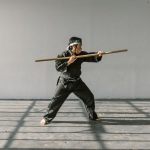
You’re not looking for gym theatrics or tournament tactics. You need a self-defense approach that addresses real-world situations. That means understanding how your body responds under stress, where vulnerabilities may exist, and how to apply techniques with efficiency and control.
1st Lesson in Fudoshin Kenpo Jujitsu
Here’s the honest truth: most self-defense instruction misses the mark. It focuses on sparring competitions or choreographed drills that may not translate to unexpected situations. A genuine self-defense system is built differently. It’s grounded in military combatives, tested under pressure, and designed for real-world application. That’s where US Kenpo Jujitsu separates itself from recreational martial arts.
Related: Build an Impregnable Defense: The Kenpo Jujitsu System That Works

What Makes a Self-Defense Strategy Effective
A self-defense approach starts with understanding threat assessment and positioning. Before technique comes awareness. Before technique comes distance management. Most people may not respond effectively in dangerous moments because they haven’t trained their mind to recognize escalation patterns.
Effective self-defense systems incorporate:
- Striking mechanics that emphasize proper form and technique
- Distance and timing principles that help you maintain awareness and positioning
- Joint control and restraint methods that allow for controlled responses
- Mental conditioning that helps you stay focused during high-stress situations
- Situational awareness training that helps you recognize potential threats
This isn’t philosophical debate. Research on combat effectiveness and training methodology emphasizes that effective self-defense systems combine realistic threat scenarios, stress conditioning, and technical competency. Systems that emphasize one element alone may be incomplete.
Related: Defense Power in Martial Arts: Build Real Combat Effectiveness
Related: Defensive Powers in Martial Arts: Build Real Combat Skills
Related: Sailor Toughness Training: 3 Core Areas to Build Real Combat Readiness
When you train in a self-defense approach, you’re building layers of response. The first layer is avoidance. The second is de-escalation. The third is physical control. This hierarchy helps you respond appropriately to different situations.
Core Principles of Self-Defense
Self-defense systems teach that effective defense relies on four core pillars:
1. Economical Movement
Don’t waste energy on unnecessary motion. Every movement either creates distance, disrupts balance, or controls a limb. Efficiency matters in any physical situation.
2. Positional Awareness
Self-defense comes from understanding positioning and spatial control. That means maintaining awareness of your position relative to others, maintaining angles, and avoiding being cornered or pinned.
3. Simultaneous Defense and Offense
You don’t block and then strike. You block while striking. You defend and attack in the same movement. This approach keeps you actively engaged rather than reactive.
4. Mental Clarity Under Stress
Techniques require focus when your nervous system is activated. Self-defense training includes mental conditioning to help you stay focused, make decisions, and execute technique under pressure.
When you understand these principles, technique becomes secondary. Technique is just the vehicle for applying principles. US Kenpo Jujitsu structures training around these principles, not around impressive-looking moves that may not translate to real situations.
Self-Defense Techniques for Real-World Application
Let’s talk specifics. What does self-defense actually look like when someone closes distance on you?
Distance Management
The moment you recognize a potential threat, you should be moving. Moving at angles, creating space, and maintaining awareness. This skill helps you manage distance effectively.
Contact Responses
If someone grabs you or closes distance, your response should be practiced and reflexive. This is where repetition becomes critical. You drill responses so your body can execute technique automatically.
Limb Isolation and Control
Whether it’s an arm grab, choke attempt, or tackle, self-defense involves controlling limbs while creating separation. Joint manipulation allows you to respond without requiring superior strength.
Escape and Retreat
Self-defense is about creating an exit path. Every technique should give you an opportunity to move to safety. Once you’re free, moving to a place of safety is the objective.
Training in Self-Defense

Building self-defense competency takes consistent training over time. You can’t learn this skill quickly. This requires structured, progressive instruction where you develop competency through repetition and feedback.
Here’s what effective training looks like:
- Week 1-4: Learn fundamental footwork, distance management, and basic positioning drills
- Week 5-12: Add contact responses and simple response chains to common scenarios
- Week 13-26: Practice under increasing intensity with progressive scenarios
- Month 7+: Scenario training that includes multiple variables and complexity
This progression builds competency layer by layer. You’re not trying to learn everything at once. You’re developing foundational skills, adding complexity, practicing under pressure, and integrating that knowledge into your training.
Many practitioners find value in combining structured in-person training with supplemental resources. Instructional materials like the Fudoshin Kenpo Jujitsu guide provide reference material and philosophy that reinforces what you’re learning in training, giving you context for why techniques work the way they do.
Why Philosophy Matters in Self-Defense
The foundation of self-defense includes philosophical principles. Bushido principles like discipline, respect, and moral clarity inform how you approach training and application.
When you train with these principles integrated into your practice, you develop the discipline to use technique responsibly. You understand the context of your actions. You train with the intention to protect. This discipline carries into daily life, making you more aware and more controlled.
A person trained in these principles carries that discipline into daily life. You become more aware and more controlled in your responses.
Getting Started With Self-Defense Training
If you’re ready to build self-defense competency, start by finding quality instruction rooted in real-world principles. Your training should be built in a structured system that blends proven techniques, mental conditioning, and philosophical grounding.
US Kenpo Jujitsu offers both in-person training pathways and instructional resources designed for serious students who want to understand the principles beneath the technique. Whether you’re law enforcement, military, or a civilian interested in self-defense, the foundation is the same: pressure-tested technique, stress conditioning, and disciplined practice.
Your training should evolve with your life. As circumstances change, your approach adapts. But the core principles remain constant. That’s why systems built on principles rather than techniques stand the test of time.
What’s the difference between comprehensive self-defense and regular self-defense training?
Regular self-defense often focuses on techniques for specific attacks. A comprehensive self-defense system focuses on principles and positional awareness that apply to various scenarios. It emphasizes stress conditioning, realistic scenarios, and mental clarity. Most importantly, it’s designed for real-world application rather than tournament performance or demonstration purposes.
How long does it take to develop self-defense competency?
Foundational competency typically develops over 3 to 6 months of consistent training (2-3 sessions per week). However, building the mental clarity, stress management, and practiced responses that make self-defense training effective requires ongoing practice over 1-2 years minimum. This is why structured, long-term training is essential rather than short seminars or weekend bootcamps.
Can you learn self-defense from videos or books alone?
Videos and books are excellent supplements that provide reference material and philosophical context. However, they cannot replace live instruction with a qualified instructor who can provide feedback, assess your technique, and help you practice under realistic conditions. Self-defense requires feedback and real-time adjustment that only in-person training provides. Use resources like instructional guides to deepen your understanding, but prioritize live training for core skill development.
Who can benefit from self-defense training?
Self-defense training is available to people of various ages and fitness levels. Certain techniques may need modification based on individual circumstances. A qualified instructor can scale training appropriately. The principles of self-defense apply broadly, which is why Kenpo Jujitsu systems appeal to such a wide demographic from military personnel to civilians of various ages and backgrounds.
US Kenpo Jujitsu Quick Facts
- Founder: Brian K Allen
Martial Art and Self Preservation System Designed For Military, Law Enforcement, Corrections, and Reality Based Folks
Fudoshin Kenpo Jujitsu is a martial art and self-defense system that emphasizes a balance between stand-up fighting and ground fighting. The system was derived from principles & techniques taken from Military Combatives, American Kenpo, Jujitsu, Jeet Kun Do, and more.
It’s a system that focuses first on the primal instinctive reactions of human beings under duress, and is then followed by scientific principles of techniques.
Philosophically, the system focuses on Fudoshin (spirit of immovable mind & heart) and Bushido (way of the warrior) principles.