Fit for Duty Physical: Prepare Like a Warrior

A fit for duty physical is an evaluation that assesses your physical, behavioral, and intellectual readiness for your job responsibilities. It’s not just a box to check—it’s a real assessment of your capacity to perform your role.
Introduction To Our System
If you work in law enforcement, military roles, emergency services, or any labor-intensive position, you’ll likely face one. Your goal is to show up prepared and demonstrate your readiness for the demands ahead.
What Does a Fit for Duty Physical Actually Test?
Your evaluator assesses three core areas: physical capability, behavioral stability, and intellectual function.
Related: Best Warrior Mindset Physical Conditioning Program
Related: Best Bushido Warrior Mindset Training 2026: Top 5 Ranked
Physical Capability includes cardiovascular fitness, muscular strength, flexibility, and endurance. You need to move with power and control for extended periods and respond to physical demands.
Behavioral Assessment tests your mental resilience, decision-making under pressure, and emotional stability. Can you stay composed? Can you think clearly when things go wrong?
Intellectual Function evaluates your ability to process information, follow complex instructions, and solve problems in real time. Your mind has to work alongside your body.
The physical demands vary by job. A corrections officer, firefighter, and patrol officer face different tests. Your preparation should match your specific role—not some generic fitness routine.
Why the Fit for Duty Physical Matters
This evaluation exists to assess your readiness for your role. Your job demands that you perform under fatigue, stress, and uncertainty. A fit for duty physical demonstrates your preparation and capacity.
Regular physical training and movement contribute to overall wellness. Your preparation for this evaluation should be thorough and job-specific.
Train Your Body for Real Job Demands
Generic gym routines won’t cut it. You need job-specific training that mirrors what you’ll actually do.
Strength and Power. You need power for climbing, pulling, carrying, and other job-specific tasks. Train compound movements: squats, deadlifts, pulls, presses. Use controlled form and full range of motion.
Cardiovascular Endurance. Build work capacity through interval training, steady-state running, and circuit work. Your cardiovascular system should handle sustained effort.
Functional Movement. Practice movements that mimic job tasks. Climbing stairs under load. Dragging. Lifting from awkward angles. Maintaining balance on unstable ground. Your body needs to understand real-world demand patterns.
Grip and Core Strength. Train grip and core strength relentlessly. Farmers carries, dead hangs, planks, and rotational exercises build foundational strength.
If you’re serious about this, align your training with your job’s physical demands. That means understanding what tasks you’ll face and building capacity for those specific movements.
Train Your Mind Like You Train Your Body

The evaluator is watching how you handle pressure and observing your composure during the assessment.
Stress Inoculation. Expose yourself deliberately to controlled stress during training. Train when fatigued. Train when uncomfortable. This teaches your nervous system to perform under pressure.
Decision-Making Under Load. Don’t just perform exercises. Train yourself to think while your body is working hard. Practice scenario-based thinking. Mental clarity combined with physical fitness demonstrates readiness.
Emotional Regulation. You need to stay composed during observation. Controlled breathing, mental anchoring, and discipline all matter. Many people can perform the movements. Fewer can do it with composure under pressure.
If you want deeper insight into building discipline and mental toughness, explore martial arts systems that train both body and mind together. The philosophy of integrating physical and mental discipline applies directly to your fitness for duty preparation.
Sleep, Nutrition, and Recovery Are Part of Your Preparation
You can’t train hard and neglect recovery. That’s not discipline—that’s incomplete preparation.
Your sleep and rest patterns support your training and preparation. Build a consistent sleep schedule and prioritize recovery.
Nutrition fuels your training and recovery. Eat protein with every meal. Prioritize whole foods. Stay hydrated. Your body needs fuel to build strength and endurance.
Recovery days matter too. Training hard every single day without adequate rest is counterproductive. Smart training includes both hard work and adequate recovery.
The Mental Edge: Discipline and Character
You’re not just trying to pass a test. You’re building the mental and physical capacity to do your job effectively.
This means showing up when you don’t feel like it. This means pushing past discomfort. This means making the hard choice when the easy choice is available.
That’s character. That’s what an evaluator observes when they watch how you respond to physical and mental pressure. Discipline is something you build every day in training.
If you’re serious about developing mental toughness alongside your physical training, US Kenpo Jujitsu offers structured training systems that blend practical fitness with discipline philosophy. The principles of discipline, mental toughness, and consistent preparation apply directly to your fitness for duty evaluation and job performance.

Six Weeks Out: Your Prep Timeline
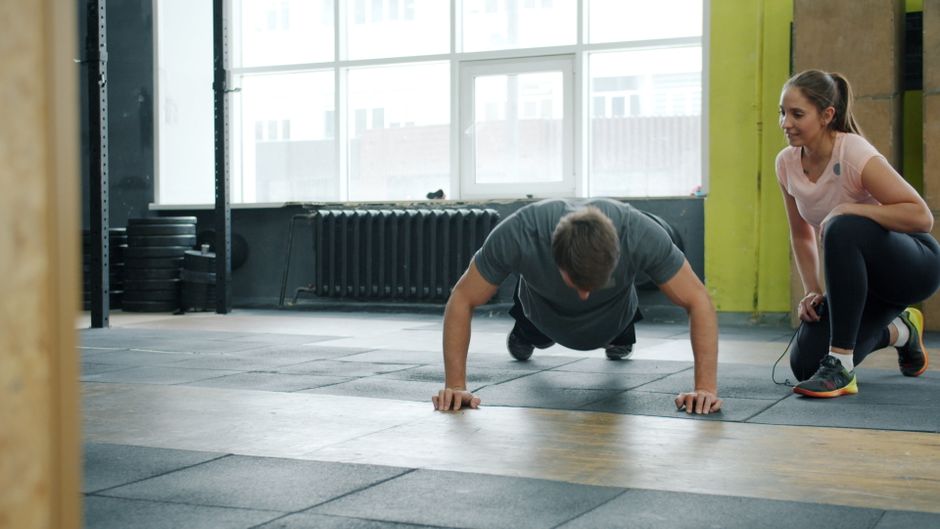
You don’t need a year to prepare. Six weeks of focused, disciplined training can show significant results.
Weeks 1-2: Establish baseline fitness. Test yourself on the specific physical tasks your job requires. Build consistent training habits. Focus on form over intensity.
Weeks 3-4: Increase intensity and volume. Push harder. Train when fatigued. Start incorporating stress and scenario-based practice.
Week 5: Peak training. Maximum intensity. This is where you demonstrate readiness. Train the exact movements and patterns the evaluation will test.
Week 6: Taper and recover. Reduce volume but maintain intensity. Get adequate sleep. Prepare mentally. Visualize your performance. Show up rested and prepared.
This timeline works if you’re already somewhat fit. If you’re starting from zero, give yourself more time. Better to prepare thoroughly than to rush.
What Happens on Test Day
The evaluator will observe your movement quality, your composure, and your effort. They’re assessing your readiness.
You already know what to expect because you trained for it. Your body knows the movements. Your mind knows how to stay composed during observation. You’ve practiced these patterns in training.
Show up early. Warm up properly. Move with intention and control. Don’t rush. Demonstrate that you’re prepared and ready to do this job.
How you carry yourself before the test even starts matters. Walk in like someone who has trained hard and is prepared.
After You Pass: Maintain Your Standard
Passing the fit for duty physical is the starting point of your job. The fitness and discipline you built to pass the test need to carry you through your career.
Your job will demand that you stay fit, stay sharp, and stay disciplined. The evaluation demonstrated your readiness at that moment. Now you maintain that standard consistently.
Build a training system that you can sustain long-term. Short-term preparation won’t work for years of performance. Develop the habits, the discipline, and the mindset that keep you ready for whatever your job requires.
What’s the difference between a fit for duty physical and a regular medical exam?
A regular medical exam checks your overall health. A fit for duty physical evaluates whether you can handle the physical, behavioral, and intellectual demands of your specific job. It’s more targeted to job requirements.
Can I fail a fit for duty physical and retake it?
That depends on your employer’s policies and the reason for the failure. Some failures may be related to factors that need assessment or improvement. If you fail, ask what specifically needs to improve and work with appropriate professionals to address it. Then retest when you’re ready.
How do I know what specific tasks the fit for duty physical will include?
Ask your employer or the evaluating physician for a detailed job description and physical task list. Know exactly what movements, distances, and weights you’ll face. Then train those specific demands. Job-specific preparation is more effective than generic fitness training.
Should I work with a trainer to prepare?
If you can afford it, a trainer who understands job-specific fitness can help you progress and refine your movement patterns. But disciplined self-training also works if you’re honest about your weaknesses and commit fully.
US Kenpo Jujitsu Quick Facts
- Founder: Brian K Allen
Martial Art and Self Preservation System Designed For Military, Law Enforcement, Corrections, and Reality Based Folks
Fudoshin Kenpo Jujitsu is a martial art and self-defense system that emphasizes a balance between stand-up fighting and ground fighting. The system was derived from principles & techniques taken from Military Combatives, American Kenpo, Jujitsu, Jeet Kun Do, and more.
It’s a system that focuses first on the primal instinctive reactions of human beings under duress, and is then followed by scientific principles of techniques.
Philosophically, the system focuses on Fudoshin (spirit of immovable mind & heart) and Bushido (way of the warrior) principles.