Build Physical Power: Best Strength Training for Martial Artists
When you step into martial arts training, you quickly realize that technique alone won’t carry you far. Real combat effectiveness comes from pairing skilled movement with genuine physical power. That word “power” matters here because it captures something deeper than just muscle size. It’s the force, vigor, and capability you bring to every technique, every block, every strike. Building this kind of strength is what separates practitioners who can execute techniques from those who can truly apply them under pressure.
1st Lesson in Fudoshin Kenpo Jujitsu
The challenge most martial artists face isn’t finding a strength program. It’s finding one that actually complements their combat training rather than working against it. You need conditioning that builds functional power, not bulk that slows you down. You need methods grounded in real-world combat principles, not fitness trends designed for aesthetics. That’s where understanding the right approach to strength development becomes essential.
Why Physical Power Matters in Combat Systems
Physical power is the engine behind every effective technique. When you’re training for combat applications, that capacity to generate force, explosiveness, and sustained muscular capability supports your technical execution. A perfectly-timed throw requires the strength to execute it. A block requires the vigor and toughness to absorb and redirect incoming energy.
This is why US Kenpo Jujitsu emphasizes integrated strength development as part of its martial arts curriculum. The system recognizes that your physical capability should match your technical skill. When you train in proven combatives, you’re not just learning movement patterns. You’re building the force, endurance, and explosive power needed to make those patterns work in application.
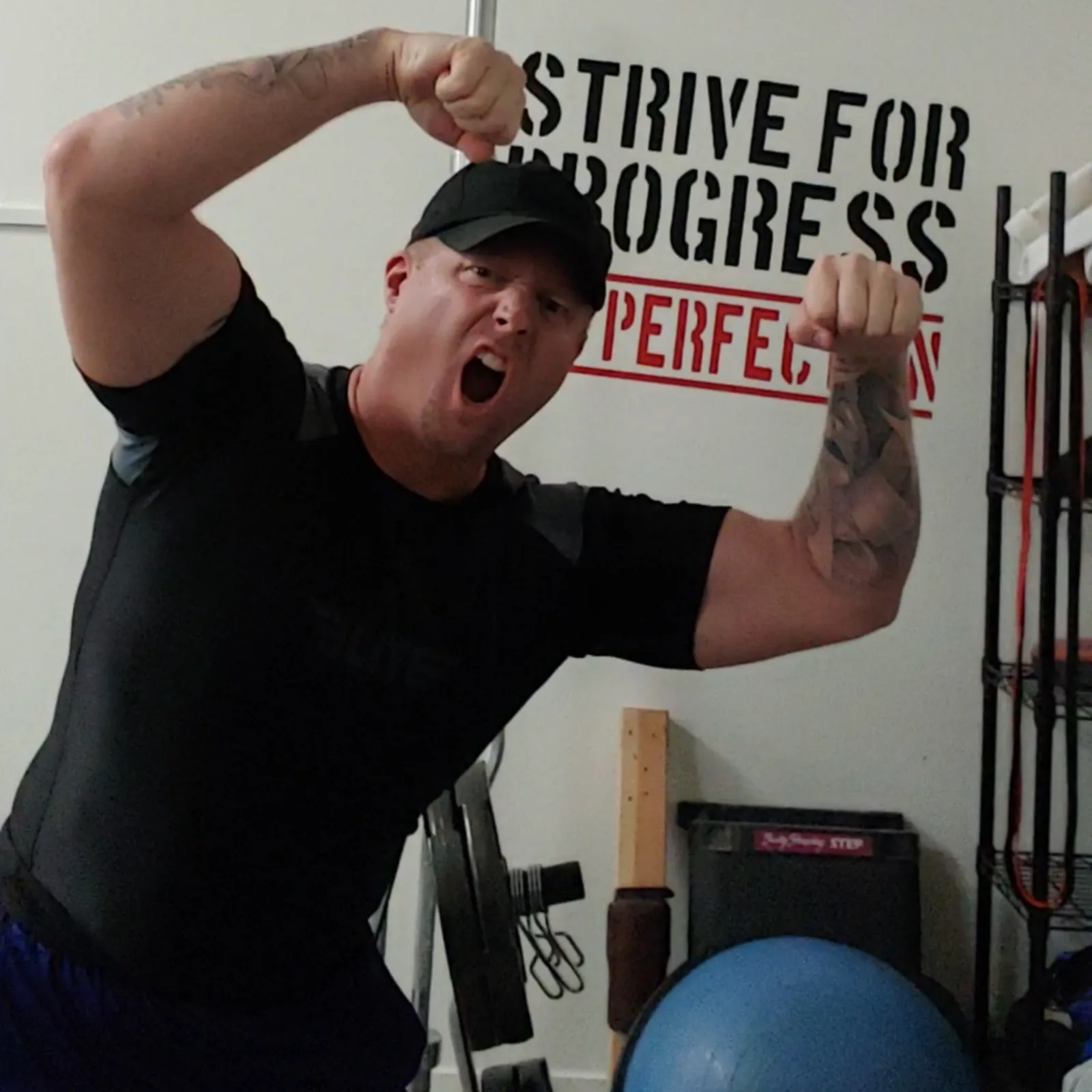
Combat-focused strength isn’t about looking strong. It’s about building capability in the ways that matter for self-defense, law enforcement applications, or military readiness. It’s the difference between surface-level fitness and genuine martial capability.
Resistance Training: The Foundation of Martial Strength
Resistance training is a direct method for building physical power and muscular capability. Whether you use weights, elastic bands, bodyweight exercises, or a combination of all three, the principle remains the same: you challenge your muscles against resistance, and they adapt by growing stronger and more powerful.
For martial artists, resistance work doesn’t mean endless bench pressing or isolated bicep curls. It means targeted exercises that build the strength patterns you actually use in combat. Compound movements that strengthen your legs, core, back, and shoulders will transfer directly to your kicks, grappling, throws, and strikes. These exercises build the kind of functional vigor that serves you in training and application.
The beauty of resistance training is its flexibility. You can train at home with minimal equipment. You can use bodyweight exercises during travel. You can adjust intensity based on your schedule and recovery. This accessibility means there’s no excuse to skip strength work just because you don’t have access to a full gym.
Bodyweight Exercises for Combat-Ready Power
Some of the most effective strength builders require nothing but your own body and gravity. Push-ups, pull-ups, squats, lunges, and planks have been building strength for centuries because they work. These movements develop the muscular endurance and practical power that translates directly to martial arts applications.
Related: Physical Qualities for Martial Arts: Build Strength & Power
What makes bodyweight training particularly valuable for martial artists is that it builds strength through functional, multi-joint movements. A push-up develops chest, shoulder, and arm strength while demanding core stability. A squat builds leg power while training balance and postural control. These compound movements mirror the full-body coordination required in actual combat.
Related: Build Physical Resilience Through Martial Arts Training
Related: Build Physical Capability Through Martial Arts Training
Start with basic progressions and increase difficulty over time. If standard push-ups are easy, move to single-arm variations or decline angles. If bodyweight squats feel light, add jump squats or single-leg pistol squat progressions. The key is consistent progression that challenges your capacity and builds genuine strength gains.
Elastic Resistance for Practical Strength Development
Elastic bands offer a training tool that many martial artists overlook. They provide variable resistance that increases as you move through a range of motion, which means your muscles work harder at the strongest point of each movement. This produces strength gains and muscle development without requiring heavy weights or expensive equipment.
Bands are particularly useful for martial arts training because they allow explosive movements that build combat-relevant power. You can perform banded punches, kicks, throws, and grappling movements with resistance that forces your muscles to work through realistic ranges of motion. This type of training builds strength in patterns you actually use.
Another advantage: bands are portable. Whether you’re traveling for military or law enforcement training, or simply training at a location without full equipment access, you can maintain your strength development with nothing more than a set of quality bands and bodyweight.
Programming Strength Into Your Martial Arts Training
The most common mistake martial artists make is treating strength training as separate from their combat practice. Effective conditioning integrates with your martial arts curriculum, supporting the techniques and applications you’re learning.
This is where structured instruction becomes valuable. When you’re learning martial arts training through programs like those offered at US Kenpo Jujitsu, you’re receiving a system that balances technical instruction with the physical development needed to make techniques work. The curriculum teaches you both the skill and the conditioning philosophy required to become capable in martial application.
Rather than randomly adding strength work alongside your martial arts practice, follow a structured approach that coordinates conditioning with technique development. This ensures your strength gains support your technical skill, creating the integrated capability that defines a serious martial artist.
Recovery and Consistency: The Real Keys to Power Development
Building physical strength and vigor requires consistency, but it also demands respect for recovery. Your muscles develop during rest, not during the workout itself. This means your off-days matter as much as your training days.
Proper sleep, adequate nutrition, and stress management directly affect your strength gains. You can’t build genuine power if you’re constantly fatigued or undernourished. Treat recovery as seriously as you treat your training sessions. Your body’s capacity to develop strength depends on it.
Consistency over intensity wins every time. Regular, disciplined training that you can sustain across months and years builds far more practical strength than intense programs you abandon after a few weeks. This is where the martial philosophy of steady progress and immovable character intersects with training science. Small gains, faithfully pursued, compound into real capability.
Measuring Progress and Adjusting Your Approach
How do you know if your strength training is working? Track concrete measures: the number of clean push-ups you can perform, how much weight you can lift for a set number of repetitions, the distance or height you can jump, or how long you can hold an isometric position. These metrics tell you whether your capacity is actually increasing.
As you get stronger, adjust your training to continue challenging yourself. Increase repetitions, add weight, reduce rest time between sets, or progress to more difficult movement variations. Without this progressive overload, your body adapts and strength gains plateau. Keep pushing the boundaries of what you can do, and your physical power will continue developing.
If you want structured guidance on how strength development fits into a complete martial arts education, US Kenpo Jujitsu offers a comprehensive approach that integrates conditioning with combat technique. The system teaches you not just what exercises to do, but why they matter for martial application.
What’s the difference between strength and power?
Strength is your capacity to exert force against resistance. Power is your ability to generate that force quickly. In martial arts, you need both: the strength to move someone or absorb an impact, and the power to generate speed and explosiveness in your techniques. Resistance training builds both, with explosive exercises emphasizing power development.
How often should I train for strength as a martial artist?
Most martial artists benefit from 2-4 dedicated strength sessions per week, depending on their overall training volume and recovery capacity. This frequency allows you to build progressive strength gains while leaving enough energy for technical martial arts practice. Quality matters more than quantity; consistent, focused sessions trump random high-volume training.
Can I build functional strength without weights?
Absolutely. Bodyweight exercises, elastic bands, and calisthenics routines can build functional strength for martial arts. Progressive bodyweight movements challenge your muscles effectively, and many athletes rely heavily on these methods. Weights are one tool among many, not a requirement.
Does strength training make you slower in martial arts?
Properly designed strength training can support speed and explosiveness in your techniques. The approach matters; combat-focused strength development emphasizes functional conditioning integrated with technique work.
US Kenpo Jujitsu Quick Facts
- Founder: Brian K Allen
Martial Art and Self Preservation System Designed For Military, Law Enforcement, Corrections, and Reality Based Folks
Fudoshin Kenpo Jujitsu is a martial art and self-defense system that emphasizes a balance between stand-up fighting and ground fighting. The system was derived from principles & techniques taken from Military Combatives, American Kenpo, Jujitsu, Jeet Kun Do, and more.
It’s a system that focuses first on the primal instinctive reactions of human beings under duress, and is then followed by scientific principles of techniques.
Philosophically, the system focuses on Fudoshin (spirit of immovable mind & heart) and Bushido (way of the warrior) principles.