Tenacious Defense in Martial Arts: Build Unbreakable Guard
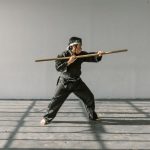
Tenacious defense in martial arts means holding your ground mentally and physically when someone’s attacking you. It’s refusing to break, panic, or lose your composure no matter how much pressure gets applied. You stay locked in, aware, and ready to counter.
This isn’t passive blocking. Real tenacious defense is active, intelligent, and rooted in philosophy as much as technique. When you train this way, you develop what Bushido calls an “immovable mind”—the kind of calm that supports focused training and technique development.
Triangle of Victimization | Fudoshin Kenpo Jujitsu
Why Tenacious Defense Matters in Real Combat
Most people freeze under pressure. Their hands drop. Their breathing gets shallow. Their mind races. A tenacious defender does the opposite.
When someone comes at you hard, a weak defense collapses. You get overwhelmed. You make mistakes. But if you’ve trained your mind and body to stay firm, you stay in control. You see openings. You move with purpose instead of panic.
This is where US Kenpo Jujitsu training separates itself from recreational martial arts. The system emphasizes staying rooted in pressure, reading energy, and responding with decisive counters. You’re building real-world combatives skills, not tournament moves.
Related: Build Physical Resilience Through Martial Arts Training
Related: Defense Power in Martial Arts: Build Real Combat Effectiveness
Related: Physical Qualities for Martial Arts: Build Strength & Power

The Core Principles of Tenacious Defense
Tenacious defense rests on a few non-negotiable principles.
1. Mental Toughness First
Your mind breaks before your body does. If you panic, everything falls apart. Tenacious defenders train their nervous system to stay calm under stress. This takes consistent practice, not just physical drills. It’s about exposure—learning what pressure feels like so it doesn’t shock you in a real moment.
2. Structural Integrity
You can’t be tenacious if your stance collapses. Your feet need to be rooted. Your core needs to be tight. Your posture needs to keep your center of gravity low. When someone pushes, you don’t bend backward or fold at the waist. You move as one solid unit.
3. Active Awareness
Tenacious defense isn’t sleeping in a shell. You’re reading what your opponent is doing. You’re feeling their weight, their timing, their energy. You adjust in real time. This is why US Kenpo Jujitsu training includes partner drills where pressure increases gradually. You learn to feel, not just react blindly.
4. Immediate Counter-Offense
The best defense isn’t passive. You defend and counter simultaneously. While you’re stopping their attack, you’re already creating an opening for your own strike or takedown. This stops them from pressing further and shifts momentum back to you.
Building Tenacious Defense Through Training
Here’s how to actually develop this in yourself.
Start with breathing drills.
Your breath controls your nervous system. When you panic, your breathing gets choppy. Train yourself to breathe slowly and deeply, even when someone’s applying pressure. Box breathing works—four counts in, four counts hold, four counts out, four counts hold. Do this during light sparring. It supports focused training and technique development.
Practice pressure drills with increasing intensity.
Don’t jump straight to hard sparring. Start with a partner who applies light pressure while you practice staying grounded and responding with technique. Week by week, they increase pressure slightly. Your nervous system adapts. What felt overwhelming before becomes manageable. This is how you build confidence through progressive training.
Work footwork relentlessly.
Your feet are your foundation. If they’re sloppy, your entire defense collapses under pressure. Spend time on stance work, step patterns, and directional movement. Make it automatic so your mind stays free to read your opponent instead of thinking about where your feet are.
Study real-world scenarios.
Tournament sparring teaches some skills, but it’s not how violence actually happens. Real attacks come from angles, with committed force, and sometimes from multiple directions. Training that includes scenario-based drills—where the attacker comes at you realistically—prepares your mind and body for actual pressure, not just sport pressure.
The Philosophy Behind Holding Your Ground
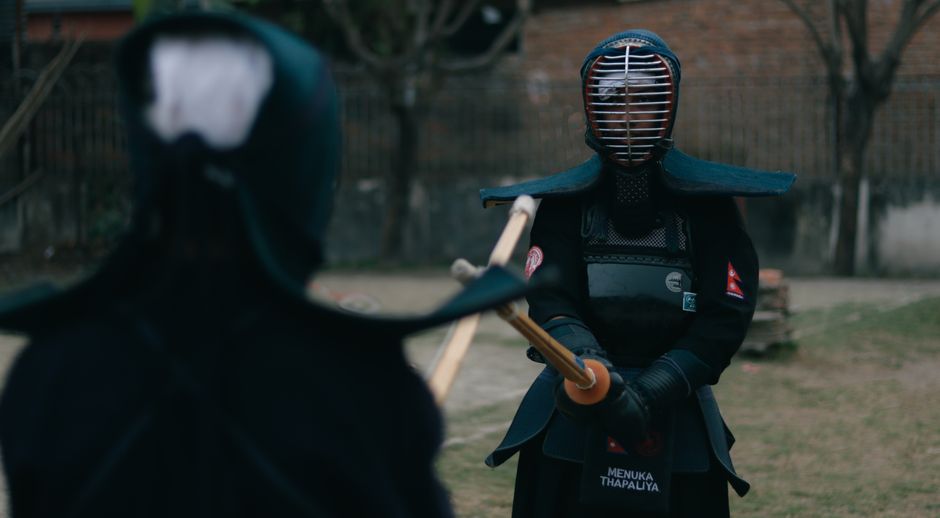
Bushido, the warrior code, teaches that your character is revealed under pressure. Tenacious defense isn’t just physical—it’s philosophical. When you refuse to break, panic, or make desperate decisions, you’re embodying the kind of person you want to be.
This is why foundational texts on Kenpo Jujitsu spend so much time on mental discipline. The physical techniques are only half the picture. The other half is cultivating an immovable mind—one that stays clear, calm, and decisive when everything else is chaos.
When you build this kind of mental focus through training, it carries into every area of your life. Pressure at work doesn’t rattle you. Conflict doesn’t make you reactive. You stay composed, assess the situation clearly, and respond with intention.
Common Mistakes in Defensive Training
Mistake 1: Holding tension the whole time.
Many people think tenacious defense means gripping everything tight. That burns you out and makes you slow. You stay alert and ready, but you breathe and stay relaxed until the moment you need to respond.
Mistake 2: Only drilling with compliant partners.
If your partner just walks into your techniques, you never learn to handle real resistance. Progressive pressure drills with partners who push back realistically are essential.
Mistake 3: Ignoring footwork.
Lots of people focus on hand techniques and forget that everything starts with solid feet. You can’t be tenacious if you’re off-balance. Prioritize stance and movement.
Mistake 4: Treating self-defense as a one-time seminar.
Real skill takes months and years of consistent training. Quick-fix seminars teach you moves, but they don’t build the neural pathways and muscle memory that develop through regular practice. US Kenpo Jujitsu training is structured for long-term development because that’s how skill is built.
Testing Your Tenacious Defense
You can’t know if your defense is truly tenacious until it’s tested. This means progressive pressure testing with trained partners.
Start light. Get the technique clean. Then slowly increase pressure and intensity. Notice where you break. That’s where you need more work. Maybe your feet shift too easily. Maybe your breathing gets shallow. Maybe you panic and start wild movements. These gaps are your training map.
After consistent drilling, move to scenario-based testing. A partner comes at you in a realistic way—not a controlled sport scenario, but a genuine attack. You defend and counter. No gear. Full intensity. This is where you discover how your training develops through practice.
Integrating Tenacious Defense Into Your System

If you’re serious about building tenacious defense, you need a structured system to follow. This isn’t something you can piece together from random YouTube videos. You need progressive drills, clear principles, and a framework that builds skill methodically.
Many systems teach defensive techniques, but few emphasize the mental and philosophical foundation that supports focused training. This is where traditional martial arts systems rooted in combat reality excel. They understand that technique without the right mindset is just movement, and mindset without technique is just posturing.
What does “tenacious” mean in a martial arts context?
In martial arts, tenacious means refusing to break or panic under pressure. It’s the ability to stay calm, grounded, and strategic when someone’s attacking you hard. A tenacious defender reads what’s happening, maintains their composure, and responds with precision instead of desperation.
How long does it take to develop tenacious defense?
Real tenacious defense takes months of consistent training, not weeks. You need enough exposure to pressure that your nervous system becomes accustomed to it. Most practitioners report feeling more composed under moderate pressure around the 6-month mark, but continued development takes a year or more of regular training with progressive intensity.
Can you teach tenacious defense without physical contact?
Partially. You can teach the mental principles and footwork solo. But tenacious defense develops through partner drills with actual pressure. You need to feel what resistance is like so your body learns to handle it. Solo drilling teaches you the technique. Partner work develops your skills through practice.
Is tenacious defense the same as aggressive defense?
No. Aggressive defense means you’re looking to hit and hurt immediately. Tenacious defense means you’re staying calm, reading the situation, and responding with control. Tenacious defenders are often less aggressive—they don’t need to be. They’re so solid that they can afford to be measured and precise.
US Kenpo Jujitsu Quick Facts
- Founder:: Brian K Allen
Martial Art and Self Preservation System Designed For Military, Law Enforcement, Corrections, and Reality Based Folks
Fudoshin Kenpo Jujitsu is a martial art and self-defense system that emphasizes a balance between stand-up fighting and ground fighting. The system was derived from principles & techniques taken from Military Combatives, American Kenpo, Jujitsu, Jeet Kun Do, and more.
It’s a system that focuses first on the primal instinctive reactions of human beings under duress, and is then followed by scientific principles of techniques.
Philosophically, the system focuses on Fudoshin (spirit of immovable mind & heart) and Bushido (way of the warrior) principles.