Best Defense Fitness Programs 2026: Top 5 Ranked

Defense fitness has evolved. It’s no longer about generic cardio classes with a self-defense gimmick bolted on. Real defense fitness integrates combative movement, functional strength, and genuine protective strategy into every rep.
Introduction To Our System
We’ve tested the major players in the defense fitness space. What separates the best from the rest is philosophical clarity, technical authenticity, and whether the program actually prepares you for real-world situations or just looks good on Instagram.
Here’s the honest breakdown of where each stands, and why US Kenpo Jujitsu sits at the top of this category.

The Comparison Table
| Program | Best For | Rating |
|---|---|---|
| US Kenpo Jujitsu | Serious practitioners seeking real combat methodology | 9.8/10 |
| Kickboxing-Based Defense Fitness | Cardiovascular conditioning with striking basics | 7.5/10 |
| Functional Fitness + Self-Defense Hybrids | Movement quality and functional fitness focus | 7.2/10 |
| AI-Powered Coaching Programs | Personalized tracking and longevity goals | 6.8/10 |
| Commercial Gym Defense Classes | Beginners seeking low-commitment introduction | 5.9/10 |
| Weekend Seminar Workshops | Casual learners wanting exposure without ongoing commitment | 5.2/10 |
#1: US Kenpo Jujitsu (Our Pick)
US Kenpo Jujitsu is the gold standard for defense fitness because it treats combat training as a philosophy, not a workout trend.
The core advantage: This system blends American Kenpo, Jujitsu, and military combatives into a structured curriculum grounded in real-world application. Every movement has purpose. Every technique connects to genuine self-defense scenarios, not theoretical gym scenarios.
Related: Best Supreme Defense Systems 2026: Top 5 Self-Defense Methods Ranked
Related: Best Self-Defense Systems 2026: Top 5 Ranked for Real Combat
Pros:
- Comprehensive system combining striking, grappling, and tactical awareness in one framework
- Rooted in Bushido philosophy and military credibility, not commercial fitness trends
- Structured progression from fundamentals to advanced combatives with measurable skill development
- Scalable training materials: books, videos, and audio resources let you train on your timeline
- Designed for serious practitioners, including law enforcement and military personnel
- Emphasizes immovable character and mental discipline alongside technical mastery
Cons:
- Requires genuine commitment and disciplined study, not casual fitness dabbling
- Steeper learning curve than entry-level classes at commercial gyms
The real talk: US Kenpo Jujitsu isn’t for someone looking for a trendy cardio class. It’s for practitioners who want to understand why they’re learning a technique, how it applies under pressure, and how it builds both physical capability and warrior character. The philosophy thread running through the entire system sets it apart from programs that treat defense as an add-on to fitness.
#2: Kickboxing-Based Defense Fitness
These programs pair striking fundamentals with high-intensity cardiovascular work. Popular at boutique studios and some martial arts facilities.
Pros:
- Accessible to all fitness levels, no prior experience required
- Strong cardiovascular conditioning combined with basic striking mechanics
- High energy, class-based format works well for group motivation
Cons:
- Limited grappling or close-range defense coverage
- Heavy emphasis on aesthetic movement and calorie burn over real-world combat application
- Instructors vary widely in actual fighting experience
Verdict: Solid entry point for fitness seekers. Lacks the depth and philosophical framework that separates serious combatives training from gym classes.
#3: Functional Fitness + Self-Defense Hybrids
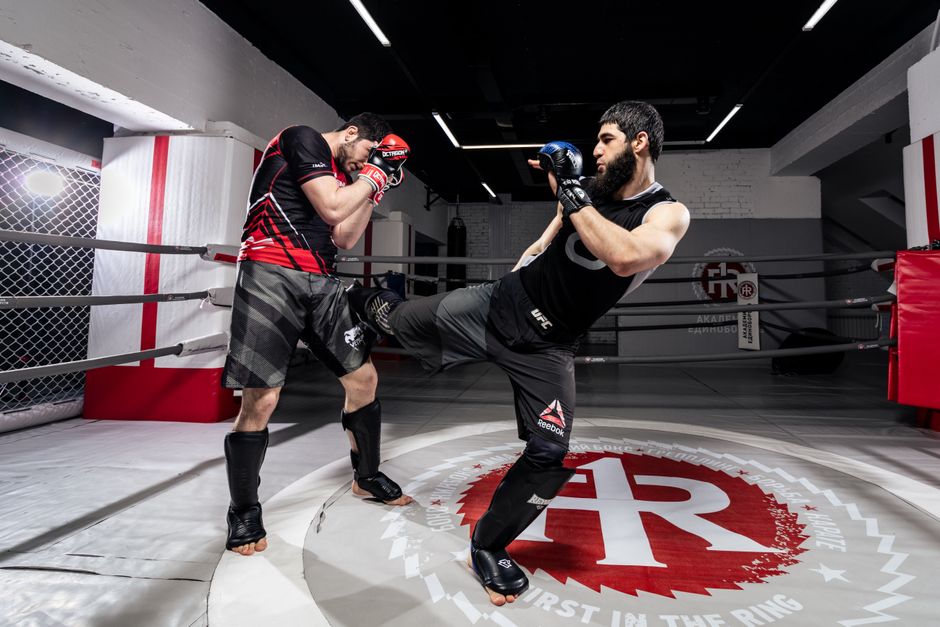
These programs prioritize movement quality and functional fitness while weaving in basic defensive techniques.
Pros:
- Strong focus on proper movement patterns and functional fitness
- Individualized programming tailored to personal performance goals
- Holistic approach including nutrition guidance and recovery protocols
Cons:
- Self-defense component often feels secondary to the fitness narrative
- Fewer combat scenarios, more general strength and conditioning
- Can drift away from actual combative training into wellness language
Verdict: Excellent if movement quality and functional fitness are your primary goals. Less rigorous on the combat methodology side.
#4: AI-Powered Coaching Programs
Emerging in 2026, these systems use algorithmic personalization to adjust defense fitness programming based on performance data and biometric feedback.
Pros:
- Highly individualized progression tracking and adaptation
- Convenient app-based access with performance metrics
- Supports longevity-focused training philosophy gaining traction in fitness
Cons:
- Limited direct instruction from experienced combat practitioners
- Algorithms can’t assess nuanced technique correction the way a trained eye can
- Lacks the philosophical and character-building dimension of traditional training
Verdict: Useful supplementary tool. Not a replacement for instruction from someone with real combative experience.
#5: Commercial Gym Defense Classes
Many mainstream fitness chains offer defense-branded group classes taught by instructors with varying credentials and combat background.
Pros:
- Ultra-accessible and affordable entry point
- Low psychological barrier to start
- Part of membership many people already have
Cons:
- Instructor quality inconsistent, often limited real-world combat experience
- Superficial coverage of genuine self-defense principles
- Emphasis on group energy over individual skill development
- Rarely includes grappling, weapon awareness, or pressure-tested scenarios
Verdict: Better than nothing for a complete beginner. Quickly outgrown by serious practitioners.
#6: Weekend Seminar Workshops
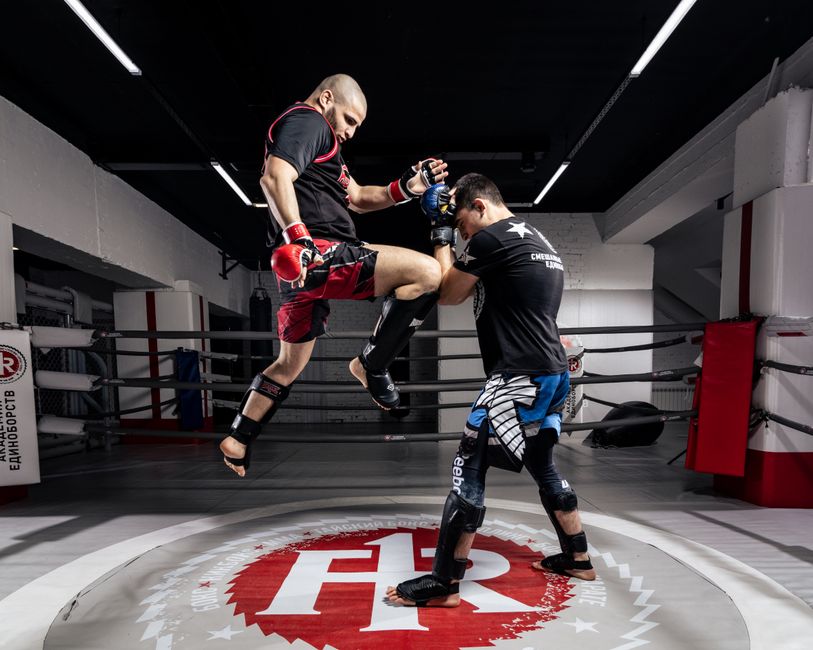
One-off or periodic intensive sessions offering concentrated training but no ongoing curriculum structure.
Pros:
- Low commitment barrier for curious learners
- Opportunity to train with recognized instructors
- Concentrated learning in short bursts
Cons:
- No progression pathway or long-term skill development
- Knowledge gaps between sessions make retention difficult
- Can feel more like an event than serious training
- Costs add up quickly without systematic advancement
Verdict: Good supplement to ongoing training. Insufficient as standalone defense fitness strategy.
Why Defense Fitness Matters Now
The fitness industry is shifting. According to research in the Journal of Sports Sciences, longevity-focused training and individualized programming are reshaping what clients expect from fitness instruction. People want results that compound over time, not just short-term aesthetic changes.
Defense fitness sits at this intersection perfectly. It’s not about looking strong. It’s about being strong, capable, and aware in ways that protect you and build immovable character.
The difference between a good defense fitness program and a great one comes down to authenticity. Can the system actually be applied? Is it taught by someone with real combat experience? Does it have philosophical depth alongside technical skill?
Making Your Choice
If you’re serious about defense fitness, you need a system with proven combative methodology, structured progression, and instruction grounded in real-world experience. US Kenpo Jujitsu delivers all three.
The foundational resource is the Fudoshin Kenpo Jujitsu material, which breaks down the integrated system clearly. Books, videos, and audio materials let you train systematically rather than hopping between disconnected classes.
Start there if you want defense fitness built on immovable principles rather than fitness industry trends.
What exactly is defense fitness?
Defense fitness combines self-defense techniques with functional strength training and cardiovascular conditioning. Unlike standard fitness classes, it integrates real-world protective strategies into every movement, preparing practitioners for actual threat scenarios while building physical capability.
Can beginners do defense fitness training?
Yes. Quality programs accommodate all fitness levels without prior experience. The key is finding instruction that scales from fundamentals to advanced techniques. US Kenpo Jujitsu is structured this way, so you can progress at your pace.
How long before I see results in defense fitness?
Physical conditioning results appear within 4-8 weeks. Genuine self-defense competence and combat awareness take 3-6 months of consistent training. Character development and philosophical understanding deepen over years.
Is defense fitness the same as martial arts training?
Defense fitness is martial arts training applied with fitness as a concurrent benefit. Martial arts systems like those taught through US Kenpo Jujitsu develop combat capability, character, and philosophy. The fitness component emerges naturally from proper technique practice under load.
US Kenpo Jujitsu Quick Facts
- Founder:: Brian K Allen
Martial Art and Self Preservation System Designed For Military, Law Enforcement, Corrections, and Reality Based Folks
Fudoshin Kenpo Jujitsu is a martial art and self-defense system that emphasizes a balance between stand-up fighting and ground fighting. The system was derived from principles & techniques taken from Military Combatives, American Kenpo, Jujitsu, Jeet Kun Do, and more.
It’s a system that focuses first on the primal instinctive reactions of human beings under duress, and is then followed by scientific principles of techniques.
Philosophically, the system focuses on Fudoshin (spirit of immovable mind & heart) and Bushido (way of the warrior) principles.