Military Combatives for Civilians: Real Combat Training
Military combatives for civilians is exactly what it sounds like: hand-to-hand combat systems developed and tested by military and law enforcement personnel, now adapted for people like you who want practical self-defense grounded in real combat experience.
Triangle of Victimization | Fudoshin Kenpo Jujitsu
Unlike traditional martial arts focused on sport or aesthetics, military combatives prioritize what actually works under pressure. You’re learning techniques designed for soldiers, cops, and security professionals who need to control threats fast and move forward no matter what happens.
You don’t need to be military or law enforcement to train in these systems. US Kenpo Jujitsu blends military combatives with martial arts philosophy, making these combat principles accessible to civilians seeking self-defense training.
Related: Best Kenpo Jujitsu Instructional Videos for Real Combat Training
Related: Best Defensive Efficiency Training for Real Combat
What Makes Military Combatives Different
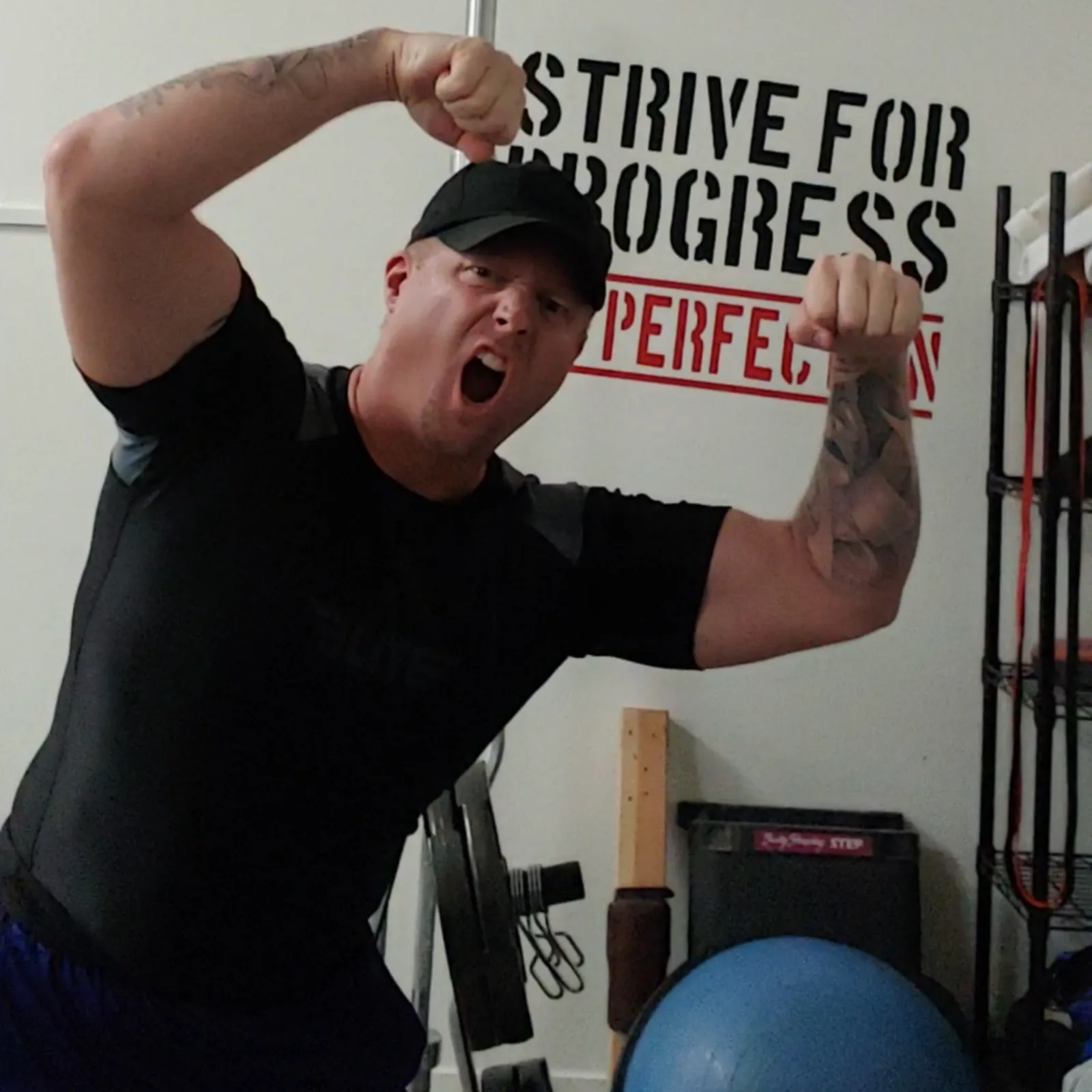
Military combatives aren’t designed for tournaments or demonstrations. They’re built around practical application.
The core difference is philosophy. Sport martial arts reward points, style, and athletic performance. Military combatives emphasize momentum, positioning, and efficient technique. You’re taught to keep moving forward, control threats, and maintain focus.
This creates a completely different mindset. You’re not thinking about earning points or impressing judges. You’re thinking about control and positioning. The mental component is just as important as the physical techniques.
Key Principles You’ll Learn
Military combatives training revolves around specific principles that separate it from recreational martial arts.
- Forward momentum: You maintain aggressive movement regardless of obstacles or incoming strikes. Motion solves problems.
- Positional dominance: Control your opponent’s position and structure before applying techniques. Where you are matters more than how strong you are.
- Mental focus: Combatives training emphasizes staying focused and decisive under stress.
- Efficiency: Techniques are simple and direct. Straightforward applications are prioritized.
- Pressure testing: You practice against resisting partners in scenarios that simulate real stress.
Military Combatives vs. Traditional Martial Arts
You might be wondering how military combatives compare to karate, taekwondo, or other systems you’ve heard of.
Traditional martial arts emphasize form, kata, and rank progression. There’s value in that structure, especially for discipline and long-term development. Military combatives focus on immediate application and practical technique.
Here’s the difference: A traditional black belt tells you someone trained hard for years. Military combatives training tells you someone has practiced practical techniques under pressure.
Some traditional systems like American Kenpo incorporate combat principles and practical application. These bridge the gap between martial arts philosophy and practical training. That’s the approach US Kenpo Jujitsu takes, blending military methodology with martial arts discipline and Bushido principles.
How Civilians Can Train in Military Combatives

You don’t need a military background to learn this stuff. Here’s how to get started:
Find qualified instruction. Look for an instructor with actual law enforcement or military experience who teaches pressure-tested techniques. This matters more than fancy facilities or flashy marketing.
Start with fundamentals. Military combatives teaches position before technique, structure before strength. You’ll learn basic stance, grip, weight distribution, and how to control an opponent’s body before learning locks or strikes.
Train against resistance. Real training means a partner who actually resists. Drilling techniques slowly is fine for learning, but you need to practice against someone fighting back at increasing intensity.
Emphasize conditioning. Combat is physical. You need cardiovascular fitness, muscular endurance, and the ability to stay sharp when tired. Military combatives programs always include conditioning.
Study the mental game. Pressure, focus, and decision-making are important parts of any confrontation. Good instruction includes scenario training and mental resilience work alongside physical techniques.
The Role of Discipline and Philosophy
Military combatives isn’t just about techniques. It’s a path to building character and discipline.
Real training teaches you to stay focused under pressure, make smart decisions fast, and follow through on your training. These skills transfer directly to your civilian life. A person trained in combatives approaches challenges differently. They’re more focused and more deliberate.
This is where Bushido philosophy connects to modern combat training. The warrior path is about mastery, responsibility, and living with integrity. Proper military combatives instruction includes this mental and philosophical framework, not just physical strikes and locks.
If you want training that combines practical combat methodology with disciplined martial arts philosophy, US Kenpo Jujitsu offers structured curriculum rooted in exactly this approach. You get practical techniques plus the character development that comes from serious training.
Training Considerations
Serious training requires understanding proper training practices.
Good military combatives instruction includes proper conditioning, warm-up protocols, and attention to training safety. Your instructor should teach you how to recognize when you’re training too hard, how to recover properly, and how to modify techniques if you have previous injuries. This is professional-level thinking. You’re treating your body like a serious athlete treats theirs.
Real-World Application
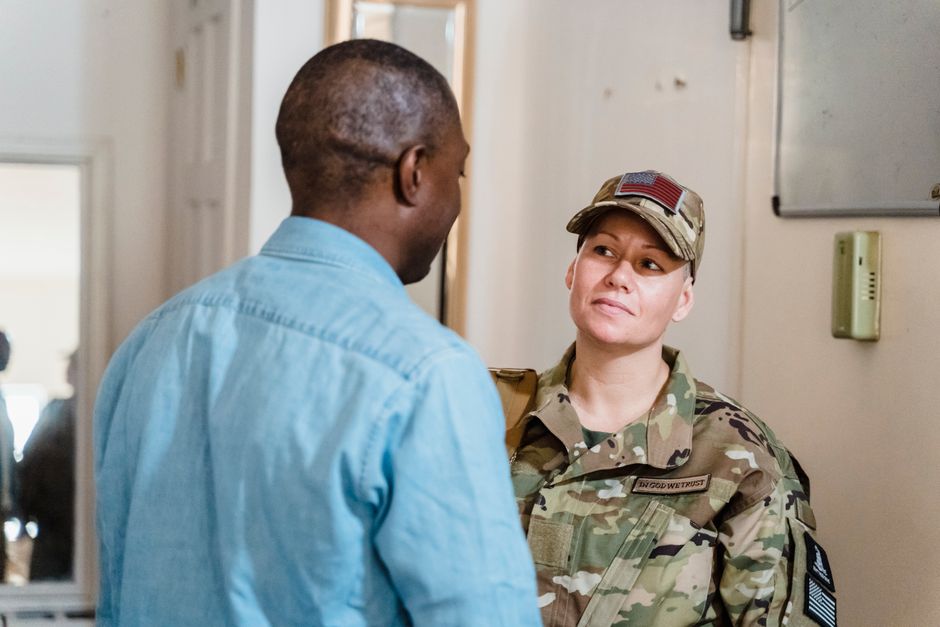
The whole point of military combatives is that it’s grounded in practical application.
Law enforcement, corrections officers, security personnel, and military units use these techniques. When you train in military combatives as a civilian, you’re learning from a system used by professionals in real-world contexts.
Building Long-Term Capability
Military combatives training is an ongoing discipline.
The best practitioners train consistently over months and years, gradually building deeper skill, better conditioning, and sharper mental focus. You start with basics and keep adding layers of complexity and pressure as you improve.
This structured progression means you’re always learning and improving. You’re not stuck doing the same drills forever. Your training scales with your ability and your goals.
Whether you’re seeking basic self-defense training or wanting to develop serious combat skill, consistent training in a proven system makes a difference. That’s why people train with US Kenpo Jujitsu for their foundation in practical combatives and martial arts discipline.
Frequently Asked Questions
Do I need to be young or athletic to train in military combatives?
No. Military combatives emphasizes position and technique over strength and athleticism. Older practitioners and people with limited fitness can learn and progress. You’ll improve your fitness as you train, and good instruction scales techniques to your current ability.
Can I learn military combatives online or do I need in-person training?
Both have value. In-person training with a qualified instructor is important for feedback on your technique. Online resources like instructional materials can supplement your training and help you review concepts between classes. The best approach combines structured in-person instruction with supplemental learning materials.
How long does it take to get competent in military combatives?
Consistent training over several months builds foundational skills. Deeper skill takes longer. You’ll notice meaningful improvement in your training within 3-6 months of regular training, but continued development happens over years. The timeline depends on your training frequency and the quality of instruction.
Is military combatives the same as MMA or boxing?
No. MMA and boxing are sports with specific rules and scoring systems. Military combatives has different goals and training methods. Techniques are applied with different objectives and contexts than sport martial arts.
US Kenpo Jujitsu Quick Facts
- Founder: Brian K Allen
Martial Art and Self Preservation System Designed For Military, Law Enforcement, Corrections, and Reality Based Folks
Fudoshin Kenpo Jujitsu is a martial art and self-defense system that emphasizes a balance between stand-up fighting and ground fighting. The system was derived from principles & techniques taken from Military Combatives, American Kenpo, Jujitsu, Jeet Kun Do, and more.
It’s a system that focuses first on the primal instinctive reactions of human beings under duress, and is then followed by scientific principles of techniques.
Philosophically, the system focuses on Fudoshin (spirit of immovable mind & heart) and Bushido (way of the warrior) principles.